Food · customs · seasons · homes
Everyday Japan, explained with care.
Engawa is an independent guide to the Japan of kitchens, homes and calendars: how dashi and rice are made, why shoes stop at the door, what happens at New Year and Obon, and how Japanese homes make small spaces work. Sourced, practical, and written for curious readers anywhere.
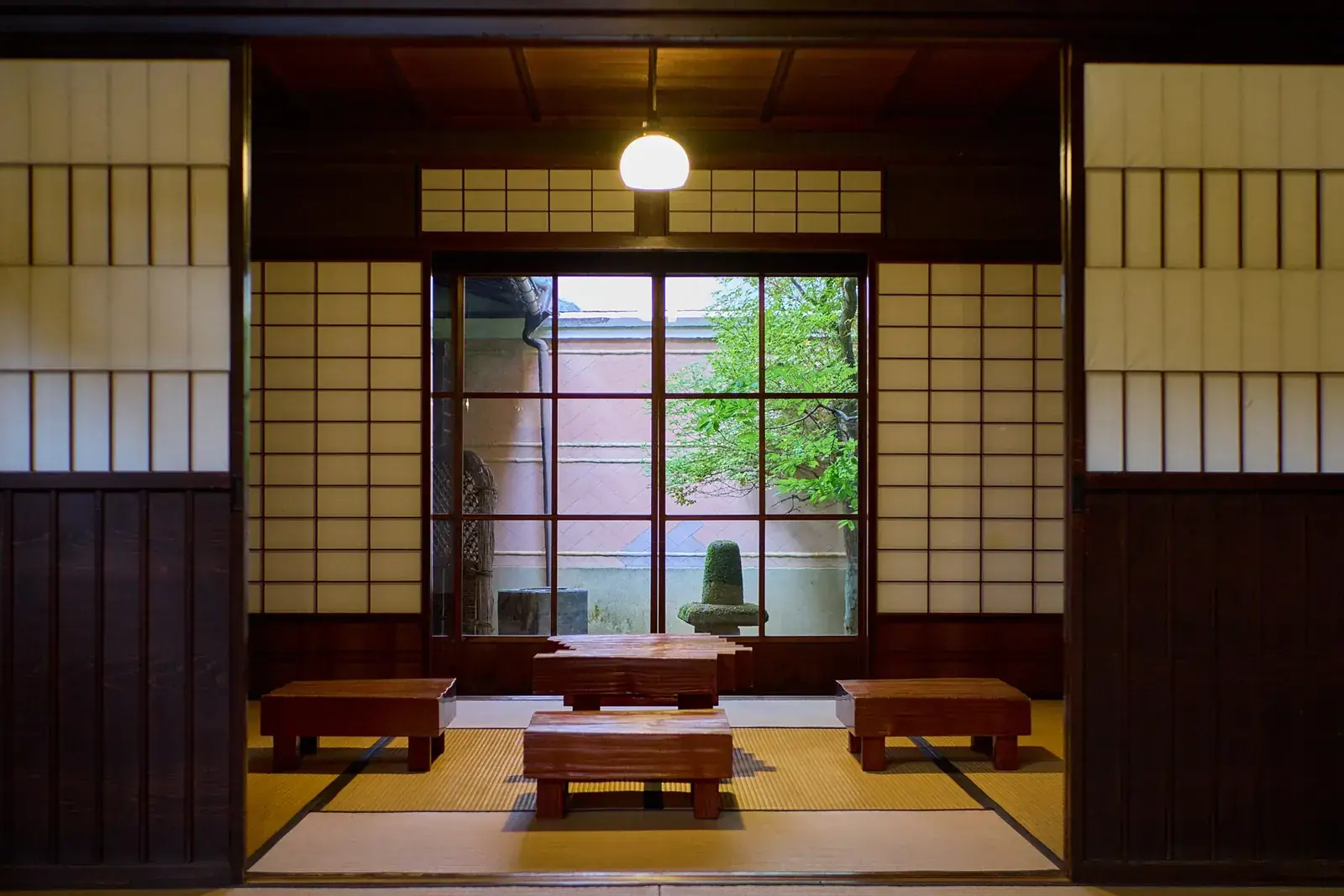
A tatami room in Takayama. Photo: lumoplank, via Wikimedia Commons, CC0.
- 春Spring: cherry blossomsHow the season is declared, and how to enjoy it.
- 夏Summer: ObonWelcome fires, family graves and bon odori.
- 秋Autumn: new-crop riceWashing, soaking and cooking the harvest.
- 冬Winter: New YearOsechi, temple bells and the first shrine visit.
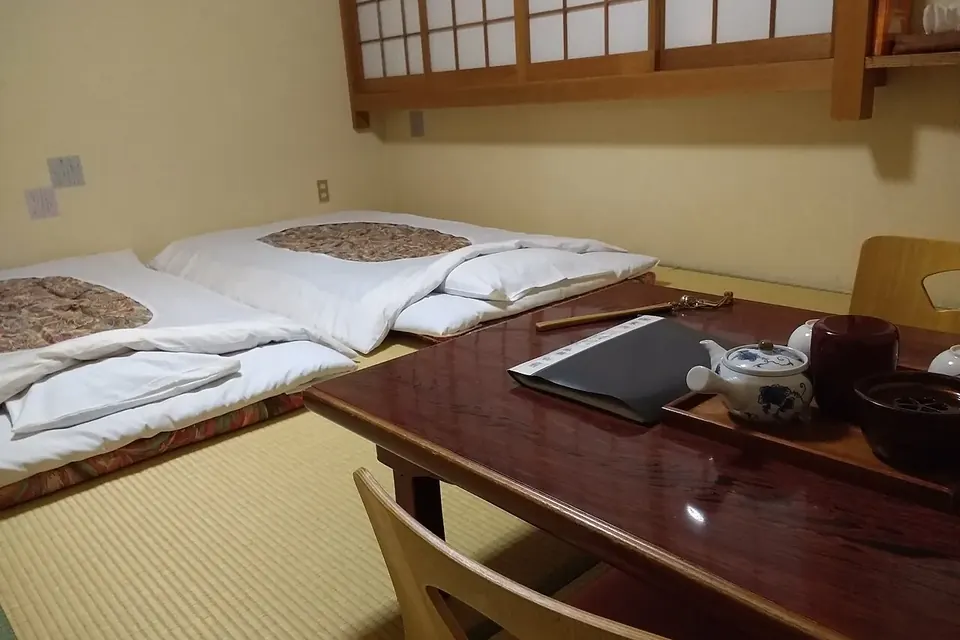
Living small the Japanese way: space-saving ideas for a city apartment
Rooms that change use, storage in the walls, sliding doors, low furniture, a real entrance and seasonal rotation: lessons from Japanese homes for any small flat, with a weekend plan.
Read the guide →台所 · Japanese home cooking
The building blocks of a Japanese meal
Stock, rice, soup, seasoning and pickles: learn these and most everyday dishes follow.
All cooking guides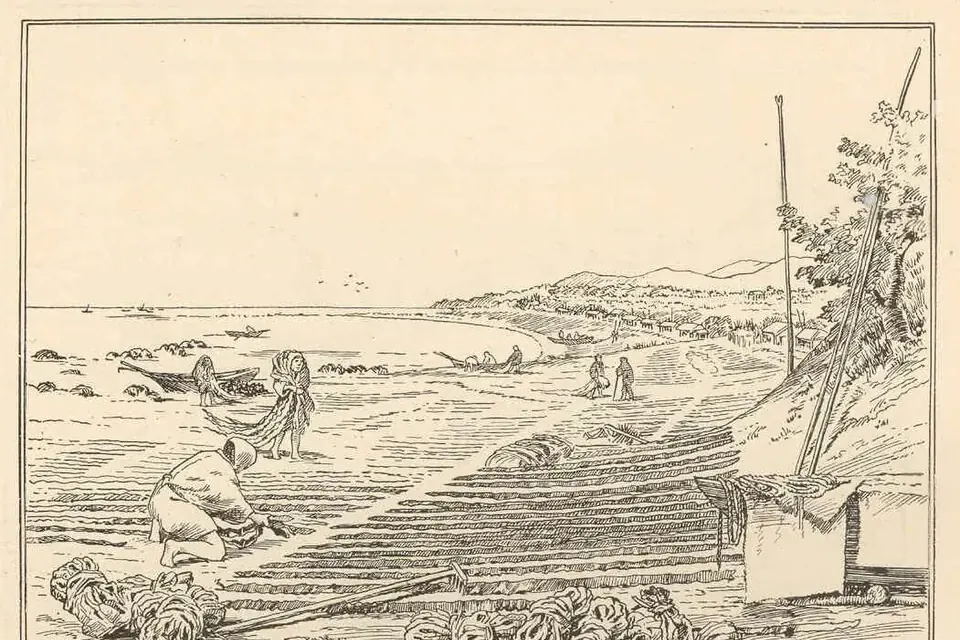 Japanese home cooking
Dashi, the stock behind Japanese cooking
Kombu, katsuobushi, shiitake and niboshi: how each dashi is made, and why umami was discovered in a pot of it.
 Japanese home cooking
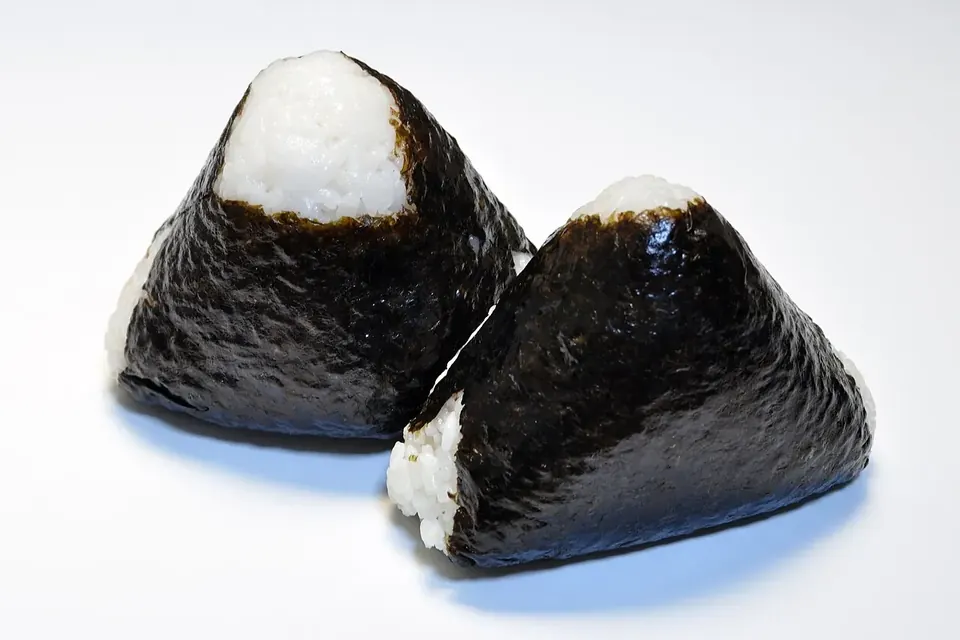
Rice in Japan, and how to cook it
Short-grain rice, washed and soaked, cooked by absorption and rested: the method, the ratios and the onigiri that follow.
 Japanese home cooking
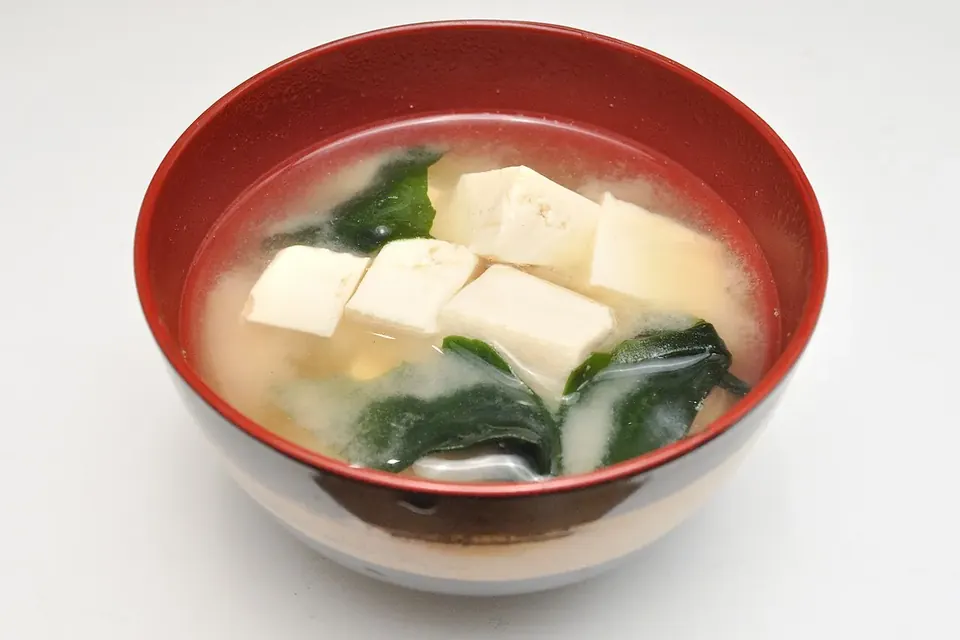
Making miso soup and choosing miso
Rice, barley or soybean koji; white, red or mixed: how to choose a miso, and the one rule for miso soup.
住まい · Homes and small spaces
How Japanese homes work
Tatami and jō, the genkan, the bath, and the habits that make small rooms feel calm.
All home guides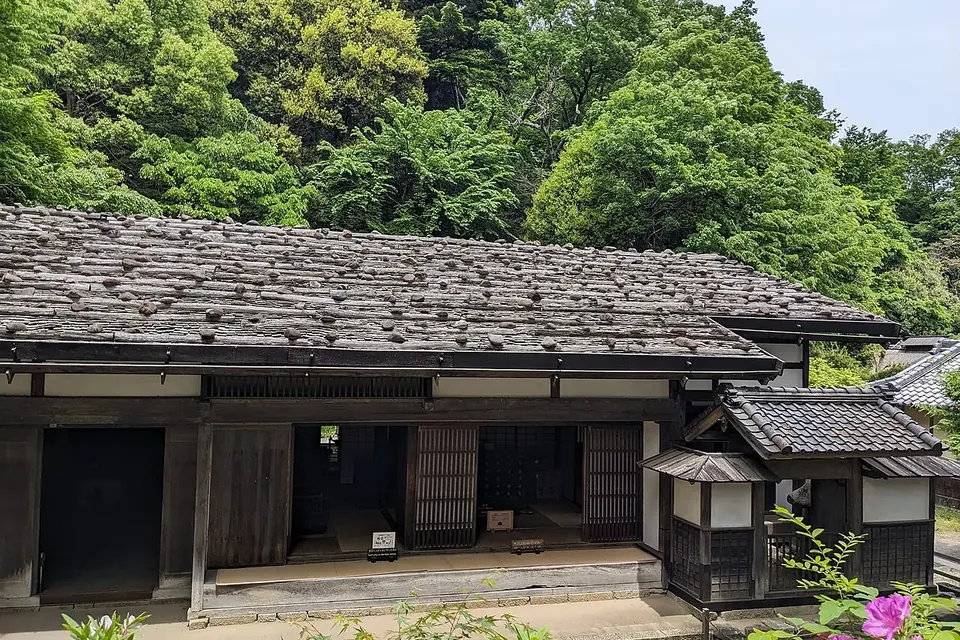 Homes and small spaces
Japanese houses, old and new
From the engawa and tokonoma to the unit bath and LDK: a room-by-room guide to the Japanese home.
 Homes and small spaces
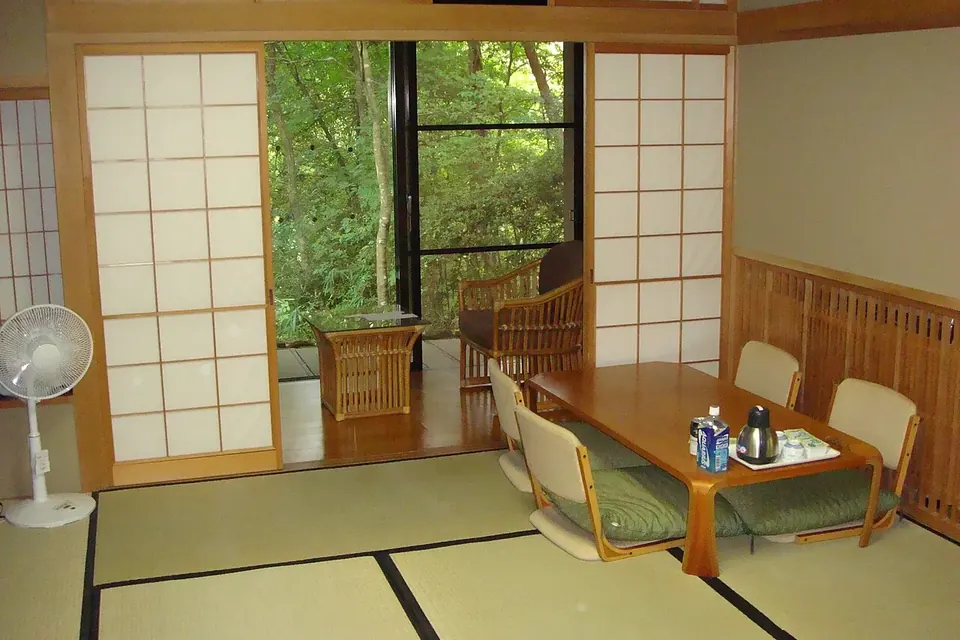
Tatami mats and room sizes
Kyoma, Edoma and danchi-ma: why a six-mat room isn't one size, and how to care for a tatami floor.
 Homes and small spaces
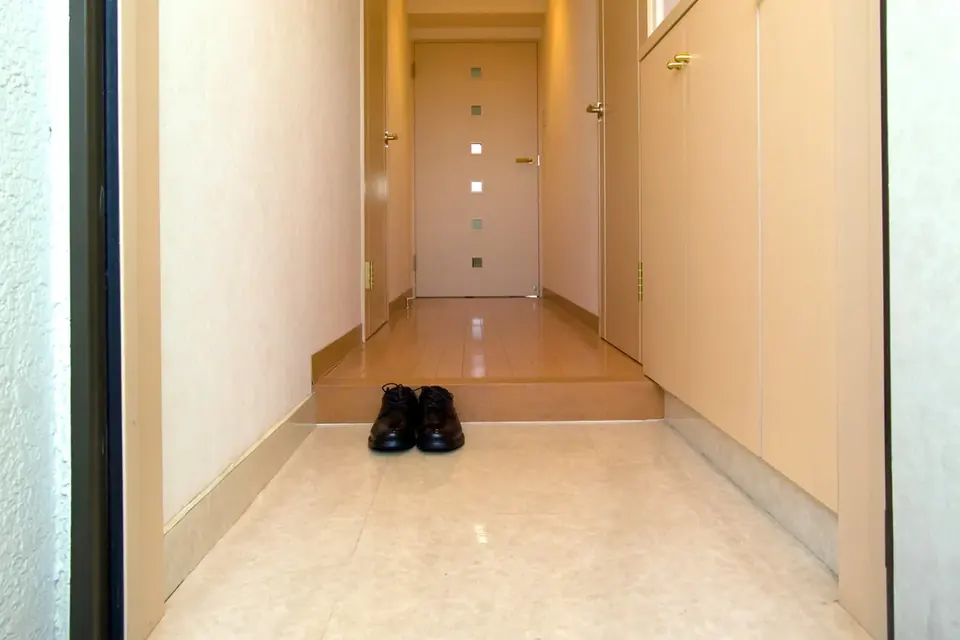
The genkan and shoes-off homes
Why shoes stop at the step, which slippers go where, and how to visit a Japanese home without a misstep.
言葉 · Words worth knowing
Six words that open everyday Japan
Each one is explained in depth in our guides. Start with the genkan, the threshold of every home.
- Genkan玄関The sunken entrance where shoes come off.
- Jō畳One tatami mat: the unit rooms are still measured in.
- Dashi出汁The quick stock behind miso soup and noodles.
- Umami旨味The savoury taste first identified in kombu dashi in 1908.
- Omiyageお土産Food souvenirs brought back for colleagues and friends.
- ItadakimasuいただきますThe words of thanks before every meal.
暮らし · Everyday culture
Customs, without the clichés
What actually matters at the table, when giving a gift, and on collection day.
All culture guides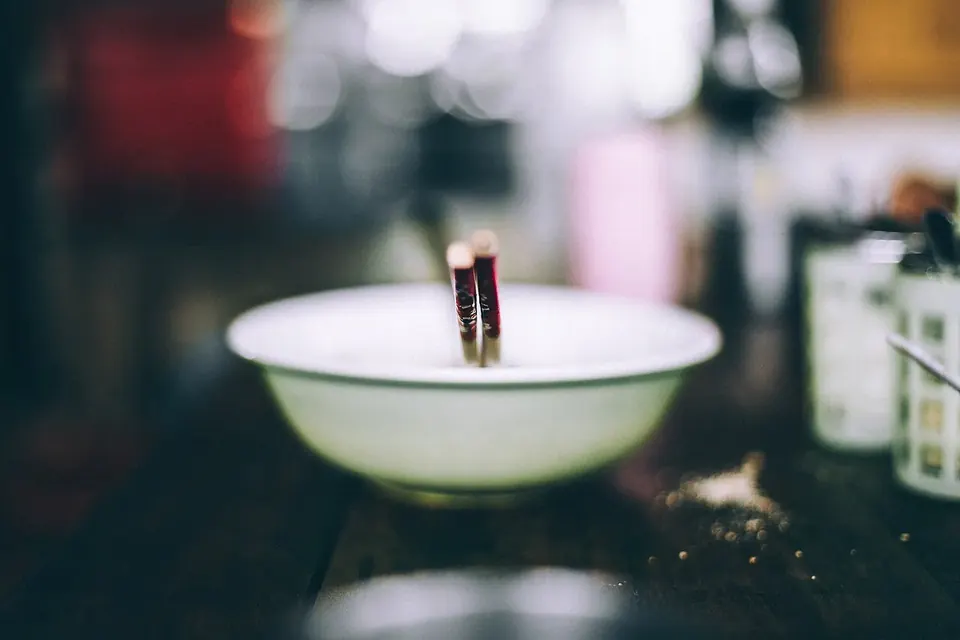 Everyday culture
Chopsticks and table manners
Itadakimasu, lifting your bowl, slurping noodles and the two chopstick gestures linked to funerals.
 Everyday culture
Gift-giving in Japan: omiyage and more
Why travellers bring boxes of sweets back for colleagues, what to take when visiting a home, and the numbers to avoid.
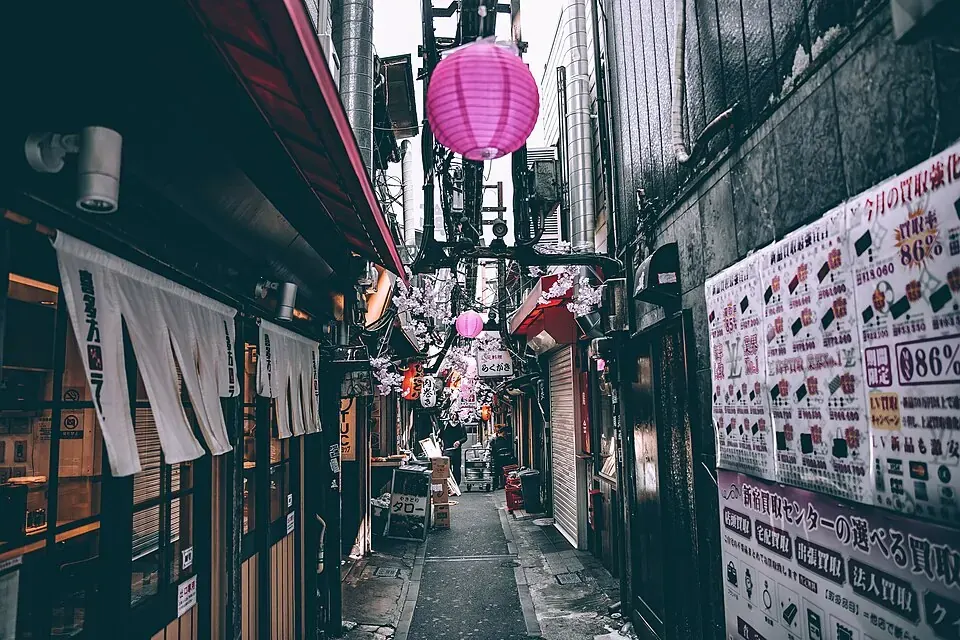 Everyday culture
Garbage sorting in Japan
Burnable, recyclable, oversized: collection days, the 8 a.m. rule, PET bottles and appliances, using Shinjuku as an example.
季節 · Seasons and festivals
A year of Japanese customs
Shrines and temples, blossoms and lanterns: the calendar that shapes daily life.
All season guides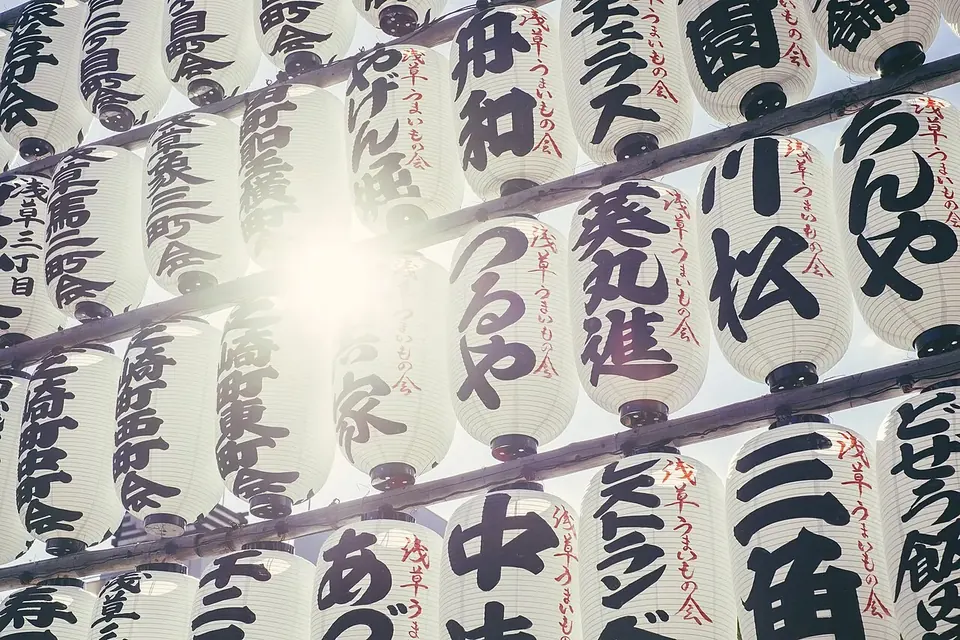 Seasons and festivals
Sensō-ji, Tokyo's oldest temple
From the Kannon in a fishing net to the Hōzuki Market: how to visit Asakusa's great temple, and when.
 Seasons and festivals
Kumejima and Okinawa's outer islands
Sandbars, silk, typhoons and early cherry blossoms: life and travel on a small island west of Okinawa's main island.
 Seasons and festivals
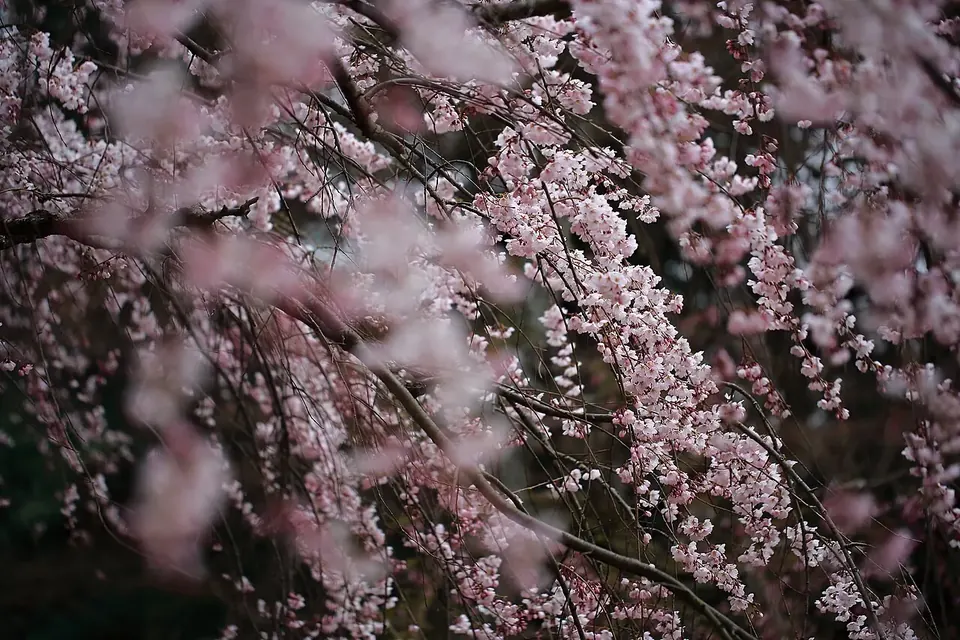
Hanami and the cherry blossom season
How the Japan Meteorological Agency declares the blossoms open, why it starts in Okinawa, and picnic etiquette under the trees.
How we work
Original guides, real sources
Every guide on Engawa is written from scratch and checked against public sources: Japanese ministries and agencies, local governments, museums, UNESCO and peer-reviewed research, listed at the end of each article. We don't sell anything, carry no affiliate links and publish no paid content.
Customs vary by region, family and generation, and we say so. If you spot an error, the publisher's details are on the legal notice. More about Engawa.