Sensō-ji temple in Tokyo: history, what to see and the festivals of Asakusa
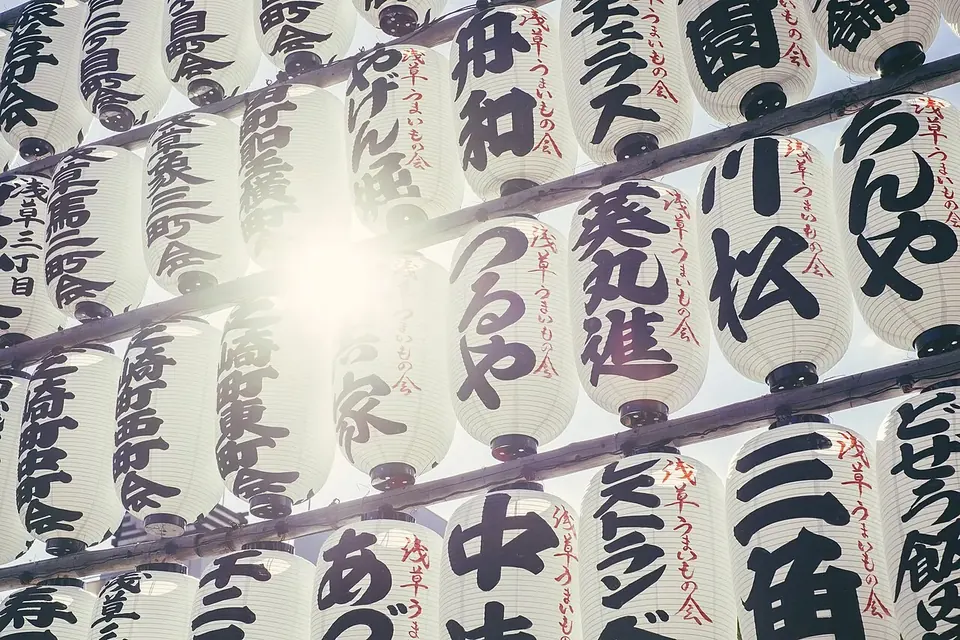
Sensō-ji, in the Asakusa district on the Sumida River, is Tokyo's oldest temple and one of the most visited religious sites in Japan. Its great red gate, the shopping street leading to it and the smoke of its incense burner are among the city's most familiar images. Behind the crowds is a working Buddhist temple with a founding legend more than thirteen centuries old, a calendar of festivals and markets, and a neighbourhood that still feels like old Edo.
- Sensō-ji is dedicated to Kannon (Avalokiteśvara), the bodhisattva of compassion; the temple dates its founding to 628.
- The main hall was destroyed in the air raid of 10 March 1945 and rebuilt in 1958.
- The temple grounds are open at all hours; the main hall and shops keep daytime hours.
- Visit early in the morning or in the evening for a calmer experience and lit-up buildings.
The founding legend
According to the temple, early on the morning of 18 March 628, two brothers fishing in the Sumida River, Hinokuma Hamanari and Takenari, found a small statue of Kannon in their net. The village headman, Haji no Nakatomo, recognized it, turned his house into a temple and devoted his life to it. In 645, a monk named Shōkai built a hall for the image and, following a dream, decided it should never be shown; the statue has remained hidden ever since. Asakusa was then a small fishing village on an estuary of Tokyo Bay.
The three men of the legend are enshrined next door at Asakusa Shrine, a Shinto shrine whose festival, the Sanja Matsuri, is one of Tokyo's largest. It is a good illustration of how shrines and temples sit side by side in Japan, a theme of our guide to visiting shrines and temples.
Destruction and rebuilding
Sensō-ji grew in importance when Tokugawa Ieyasu made Edo his capital, and the main hall built under the third shogun, Iemitsu, was designated a national treasure. It was destroyed in the Great Tokyo Air Raid on 10 March 1945, along with most of the surrounding district. The temple says the hall was rebuilt in 1958 with donations from followers all over Japan; the gates and the five-storey pagoda were also rebuilt in the post-war decades, in reinforced concrete with traditional forms.
What to see, in order
- Kaminarimon (Thunder Gate): the outer gate, with its huge red lantern and statues of the gods of wind and thunder.
- Nakamise-dōri: a shopping street of about 250 metres lined with small stalls selling rice crackers, sweets such as ningyō-yaki, fans and souvenirs. Eat at the stall rather than while walking.
- Hōzōmon: the inner gate, guarded by two Niō statues, with giant straw sandals hung on its back.
- The incense burner (jōkōro): buy a bundle of incense, light it and waft the smoke towards yourself, traditionally towards any part of the body you want healed.
- The main hall (Kannon-dō): offer a coin, put your hands together and pray. Don't clap, as this is a temple.
- The five-storey pagoda and the gardens and smaller halls around the precinct.
- Asakusa Shrine, to the right of the main hall.
Omikuji at Sensō-ji
Sensō-ji's fortune slips are famous for being honest: you shake a numbered stick from a metal box, open the drawer with the matching number and take a slip, which comes with an English translation. The temple is known for a relatively high share of "bad fortune" (kyō) slips. If you draw one, tie it to the rack provided to leave the bad luck behind.
Festivals and markets
| When | Event |
|---|---|
| 1–3 January | New Year visits (hatsumōde): among the busiest temples in Tokyo |
| 18 March | Commemoration of the temple's founding |
| 8 April | Hana Matsuri, the Buddha's birthday, with sweet hydrangea tea poured over a small statue |
| May (third weekend) | Sanja Matsuri of Asakusa Shrine, with portable shrines carried through the streets |
| 9–10 July | Shiman-rokusen-nichi, "the day worth 46,000 visits", with the Hōzuki (lantern plant) Market |
| 17–19 December | The year's last festival day, with the Hagoita (decorated battledore) Market |
For the New Year crowds and customs, see our guide to Japanese New Year.
Asakusa beyond the temple
Asakusa was the entertainment district of Edo and early modern Tokyo, with theatres, cinemas and Hanayashiki, often described as Japan's oldest amusement park, which still operates near the temple. The streets around Sensō-ji keep small shops making traditional goods such as fans, combs, brushes and festival costumes, along with old restaurants serving tempura, eel and buckwheat noodles. Across the Sumida River stands the Tokyo Skytree, and river buses link Asakusa with Hamarikyū Gardens and Odaiba. A slow walk through the side streets is the best antidote to the crowds on Nakamise.
Tips for visiting
- Go early or late. The precinct is open around the clock; at dawn it belongs to local worshippers and joggers, and after dark the buildings are lit.
- Respect worshippers in the main hall, and keep photos to the outside unless signs say otherwise.
- Combine with the river. The Sumida riverbanks are a classic place for cherry blossoms in spring and fireworks in summer.
- Get there by train: Asakusa Station is served by several subway and private lines.
- Rickshaws wait near the Kaminarimon for tours of the district.
Sources
- Sensō-ji, official English website: history of the temple, main hall and annual events, consulted October 2026.
- Taitō City, Asakusa area information, consulted October 2026.
- Japan National Tourism Organization (JNTO), japan.travel, Asakusa and Sensō-ji, consulted October 2026.
 Seasons and festivals
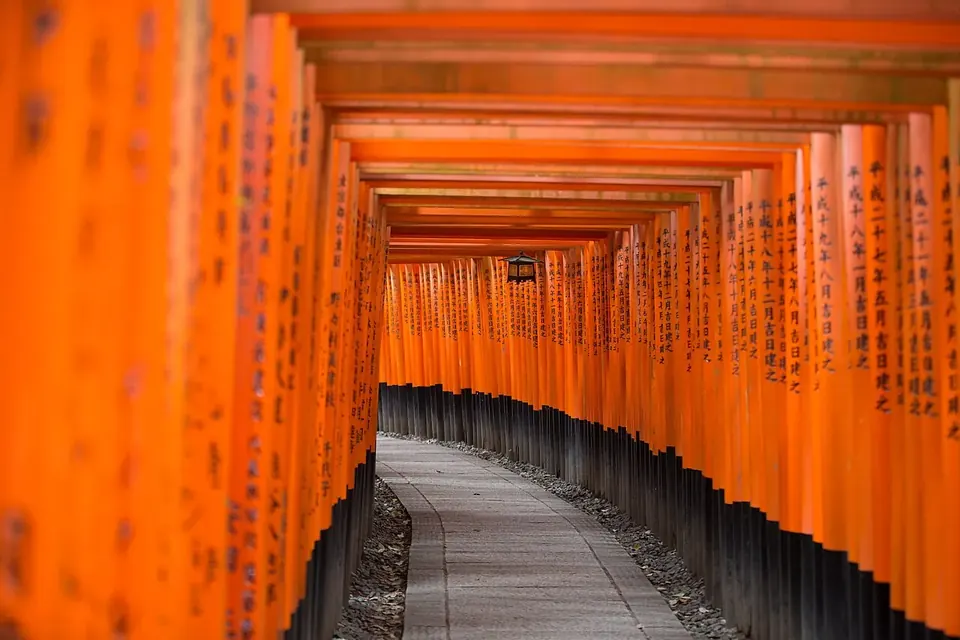
Visiting shrines and temples
Torii or temple gate, two claps or none: purification, prayer, omikuji and charms, with Tokyo's Sensō-ji as an example.
 Seasons and festivals
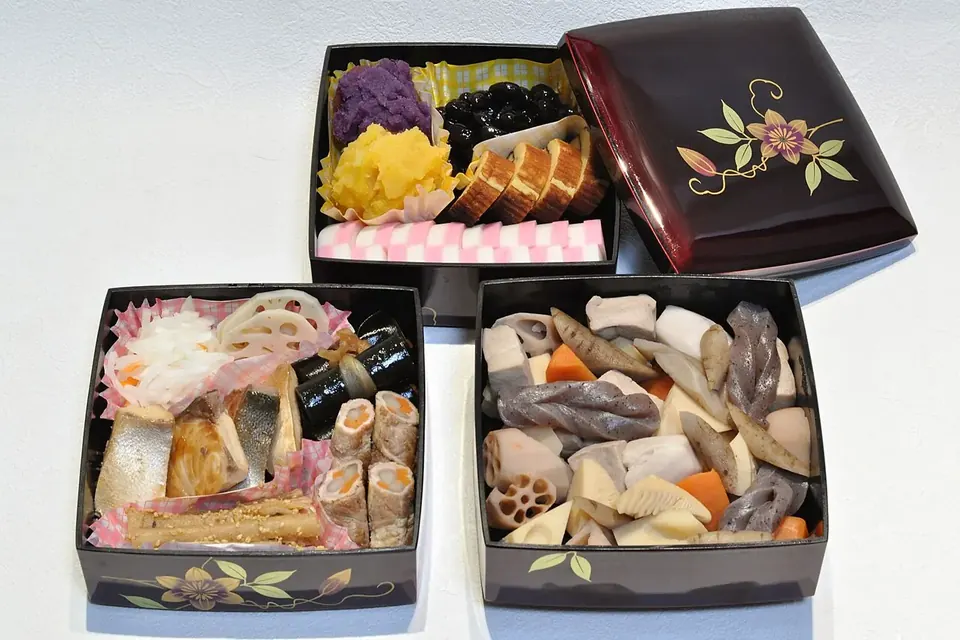
Japanese New Year: shōgatsu
Year-end cleaning, temple bells, osechi boxes, the first shrine visit and money for children: the year's biggest holiday, day by day.
 Seasons and festivals
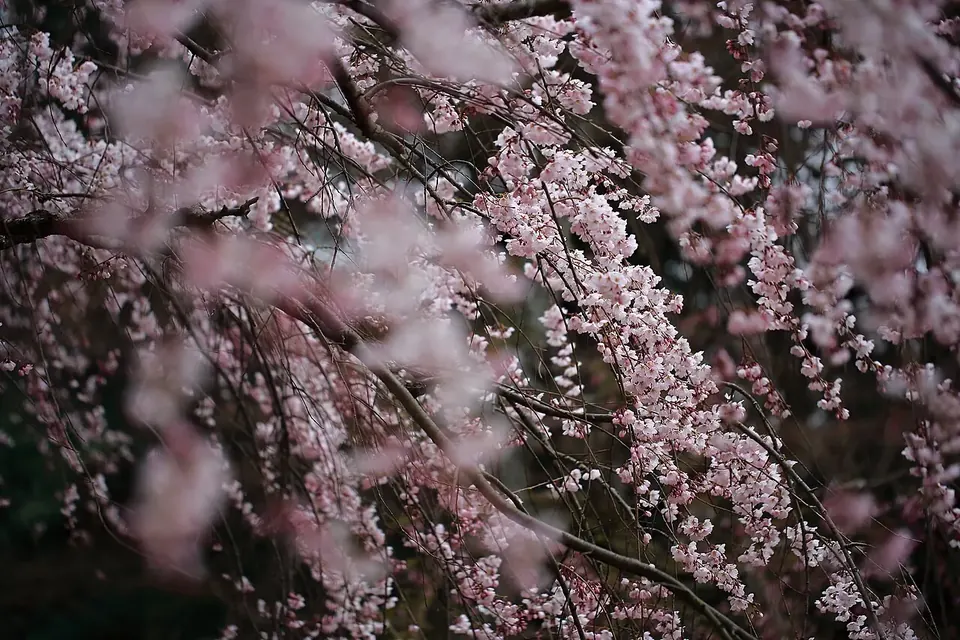
Hanami and the cherry blossom season
How the Japan Meteorological Agency declares the blossoms open, why it starts in Okinawa, and picnic etiquette under the trees.