Japanese New Year (shōgatsu): osechi, hatsumōde and the customs of the first days of the year
If there is one holiday that brings Japan to a pause, it is 正月 shōgatsu, the New Year. Offices close for several days, people travel to their family homes, and households observe a sequence of customs that runs from the last days of December to mid-January: cleaning, decorating, eating special foods and making the year's first visit to a shrine or temple. When UNESCO inscribed Japanese food culture, washoku, on its intangible heritage list in 2013, it singled out the New Year as its most visible expression.
- Most businesses close from about 29 or 30 December to 3 January; trains and roads are busy around these dates.
- Key customs: ōsōji (big cleaning), kadomatsu decorations, toshikoshi soba on New Year's Eve, osechi and ozōni, and hatsumōde, the first shrine visit.
- Children receive otoshidama, gifts of money in small envelopes.
- Eat mochi in small pieces: it causes choking accidents every New Year, especially among older people.
Before the New Year
Ōsōji, the big cleaning
In the last days of December, homes, offices and schools are cleaned thoroughly, including places ignored the rest of the year, to welcome the New Year deity, toshigami, into a clean house. Temples and shrines clean too, sometimes in public ceremonies of dusting the great halls with long bamboo poles.
Decorations
| Decoration | What it is | Meaning |
|---|---|---|
| Kadomatsu (門松) | Pine and cut bamboo arranged in pairs at the gate or entrance | A place for the New Year deity to descend |
| Shimekazari (しめ飾り) | A sacred straw rope with paper, citrus and fern, over the door | Marks a purified space, keeps out misfortune |
| Kagami mochi (鏡餅) | Two stacked round rice cakes topped with a bitter orange | An offering; broken and eaten on kagami biraki in January |
Decorations are usually put up from around 28 December, avoiding the 29th (whose number can be read as "double suffering") and the 31st ("one-night decorating", thought disrespectful). They come down after the matsu no uchi period, often 7 January in eastern Japan and 15 January in parts of western Japan, and are burned at shrines in mid-January.
New Year's Eve: Ōmisoka
On 31 December, many families eat toshikoshi soba, "year-crossing" buckwheat noodles, whose length is linked to long life and whose easy-to-cut strands to letting go of the old year's troubles. At midnight, Buddhist temples ring their great bells 108 times in joya no kane, often with visitors taking turns; the number is traditionally associated with the 108 worldly desires of Buddhist teaching. Television plays its part too, with a long-running year-end song contest watched by millions.
The first days: food
Osechi
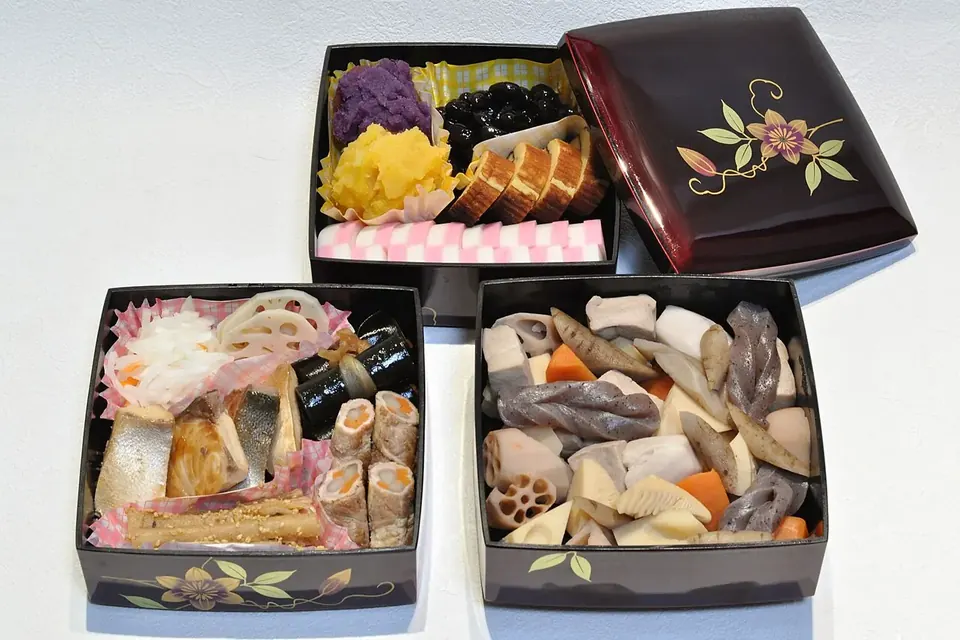
Osechi ryōri is a set of small dishes packed into stacked lacquered boxes (jūbako), prepared before New Year so that cooks can rest during the holiday. Many dishes keep well, being simmered, sweetened or vinegared, and each carries a wish expressed through a pun or symbol:
- Kuromame (sweet black beans): mame also means hard work and good health.
- Kazunoko (herring roe): many eggs, many descendants.
- Tazukuri (candied small sardines): once used as fertilizer, wishing for a good harvest.
- Datemaki (rolled sweet omelette): scrolls of learning and culture.
- Kohaku namasu (red and white daikon and carrot salad): celebratory colours.
- Ebi (prawns): bent backs, long life.
Today many families buy part or all of their osechi from department stores and convenience stores, which take orders from autumn.
Ozōni
Ozōni is a soup with mochi eaten on New Year's morning, and it varies more than any other Japanese dish by region and family: clear dashi broth with square grilled mochi in much of eastern Japan, white miso with round boiled mochi in Kyoto, and countless local variations. Our guide to dashi covers the stock, and our guide to mochi maps the round and square styles.
Mochi is very sticky and causes choking accidents every New Year, mostly among older people and young children. The Tokyo Fire Department advises cutting mochi into small pieces, eating slowly and chewing well, drinking something first to moisten the throat, and making sure someone is nearby when older family members eat it.
The first days: visits and gifts
Hatsumōde
The year's first visit to a shrine or temple, hatsumōde, draws enormous crowds in the first three days of January, with the largest shrines receiving millions of visitors. People pray for the year ahead, buy new protective charms (omamori), return last year's to be burned, and draw omikuji fortunes. Our guide to visiting shrines and temples explains what to do. Tokyo's Sensō-ji is one of the busiest. Going later in January, or to a neighbourhood shrine, avoids the crush.
Otoshidama and New Year cards
Children receive otoshidama, money in small decorated envelopes, from parents, grandparents and relatives. Adults send nengajō, New Year postcards, which the post office holds and delivers on 1 January if posted in time. Fewer cards are sent each year as people switch to messages, but they remain common for work and older relatives. Households in mourning send a notice in November or December instead, and receive no greetings.
Okinawa has its own variations, including a lunar New Year still kept in fishing towns; see an Okinawan New Year.
Greetings to know
- Yoi otoshi o: "Have a good New Year", said in late December before parting.
- Akemashite omedetō gozaimasu: "Happy New Year", from 1 January.
- Kotoshi mo yoroshiku onegai shimasu: "I look forward to your kindness this year too", added to almost every greeting.
Visiting Japan at New Year
The holiday is a wonderful time to see traditional customs, but plan for closures: many restaurants, museums and small shops close for a few days, while department stores reopen with New Year sales and "lucky bags" (fukubukuro) on 1 or 2 January. Transport is busiest just before and after the holidays. The season's counterpart in spring is the cherry blossom season.
Sources
- UNESCO, Washoku, traditional dietary cultures of the Japanese, notably for the celebration of New Year, 2013.
- Ministry of Foreign Affairs of Japan, press release on the inscription of washoku, 4 December 2013.
- Tokyo Fire Department, advice on preventing choking on mochi, consulted October 2026.
- Ministry of Agriculture, Forestry and Fisheries (MAFF), "Our Regional Cuisines" database (regional ozōni), consulted October 2026.
 Seasons and festivals
Visiting shrines and temples
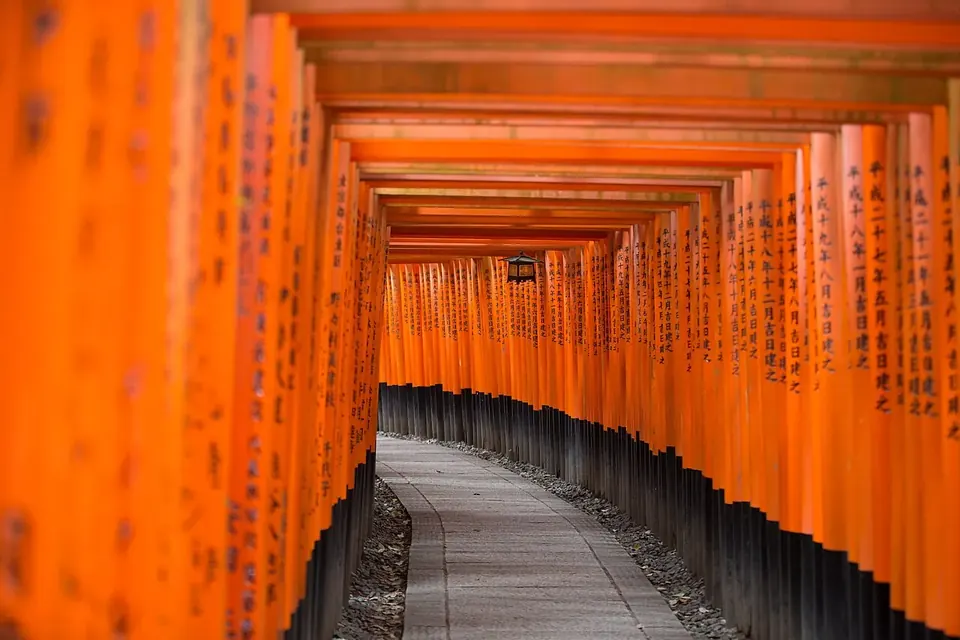
Torii or temple gate, two claps or none: purification, prayer, omikuji and charms, with Tokyo's Sensō-ji as an example.
 Seasons and festivals
Hanami and the cherry blossom season
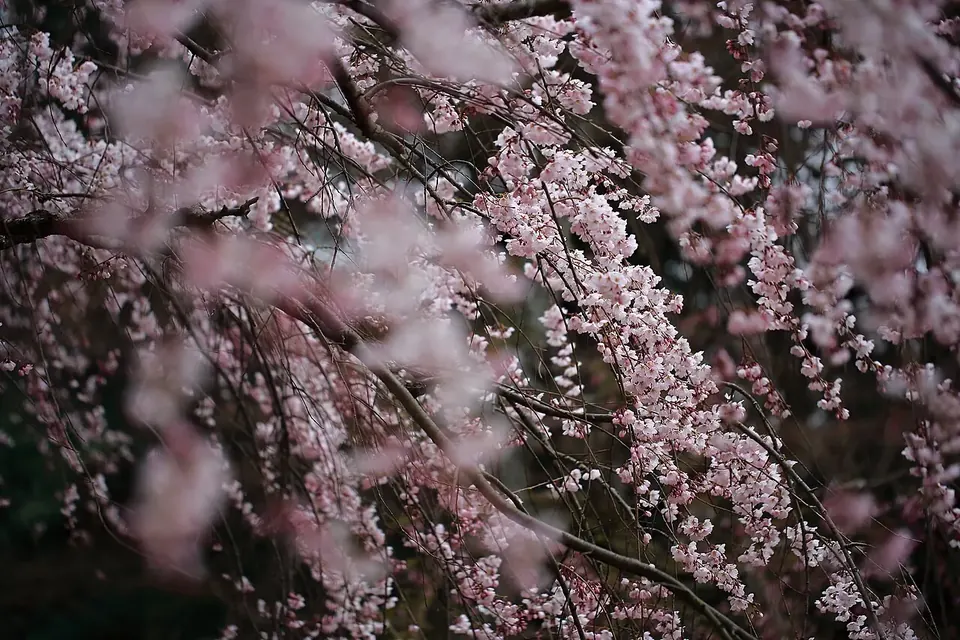
How the Japan Meteorological Agency declares the blossoms open, why it starts in Okinawa, and picnic etiquette under the trees.
 Japanese home cooking
Dashi, the stock behind Japanese cooking
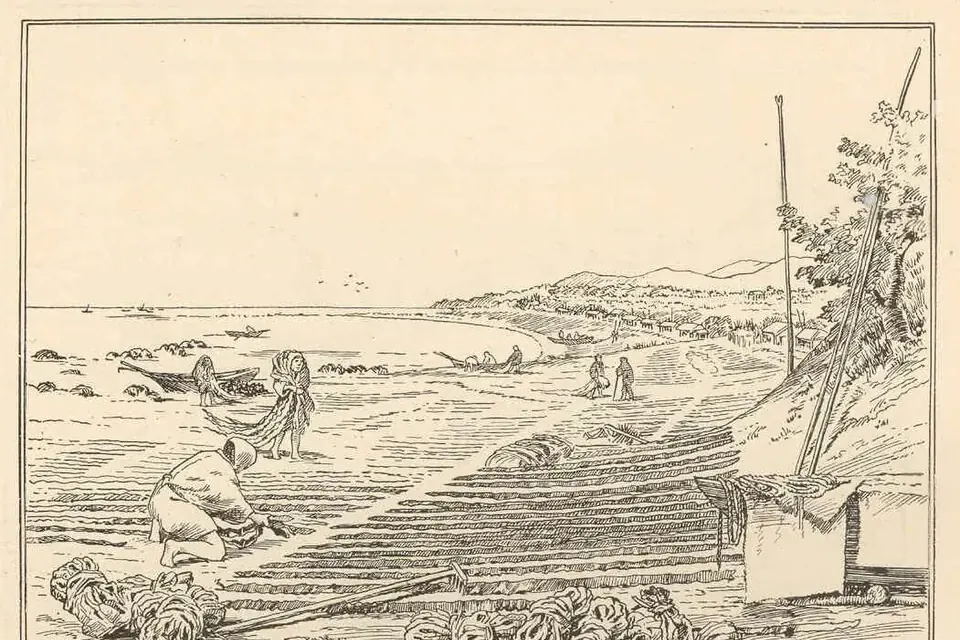
Kombu, katsuobushi, shiitake and niboshi: how each dashi is made, and why umami was discovered in a pot of it.