Homes and small spaces
Tatami, genkan, baths and the Japanese art of living well in very little space.
- Japanese houses: how a traditional home is laid out, and how modern homes changed it
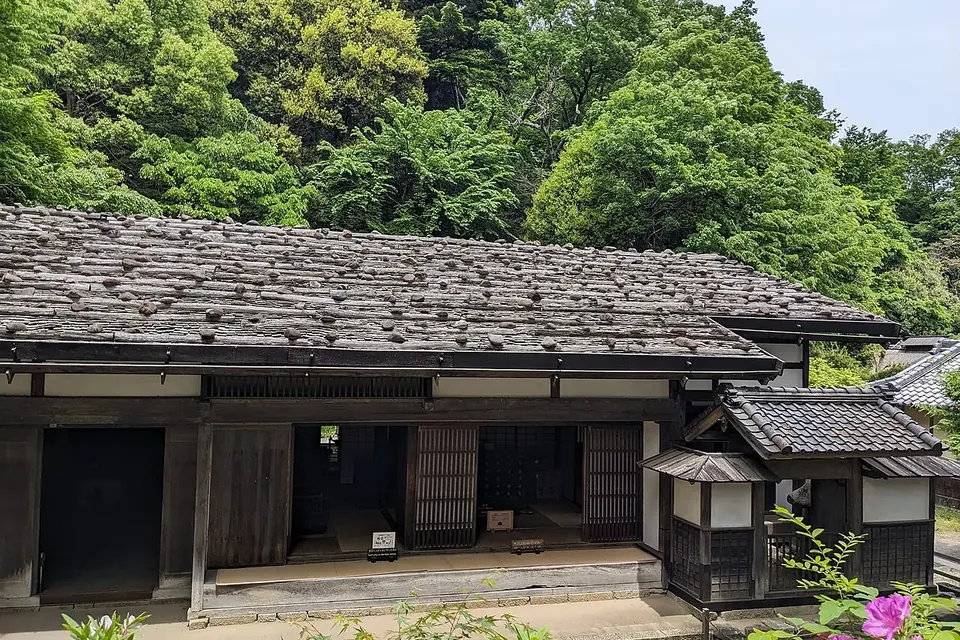
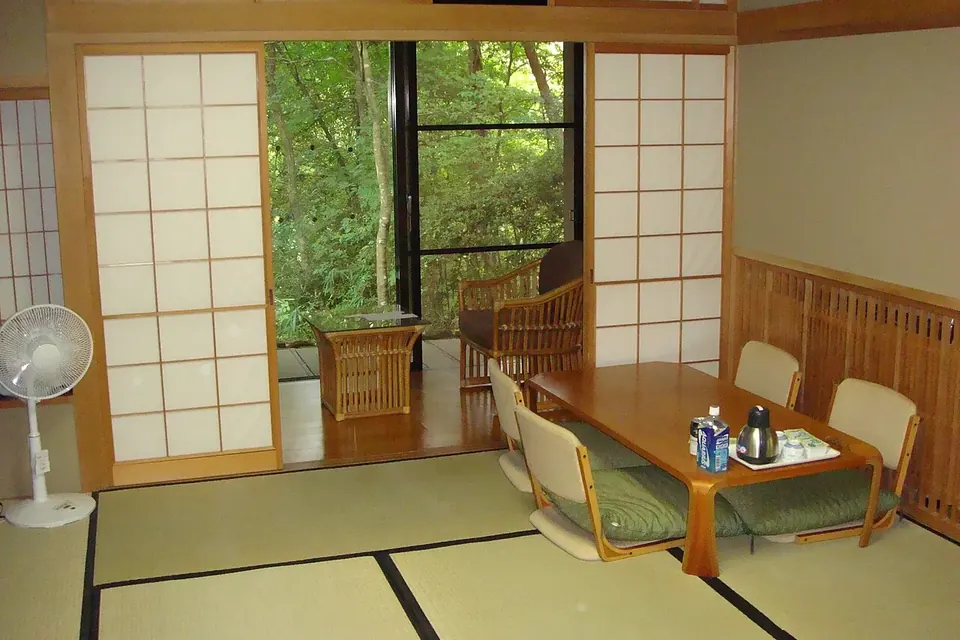
A guide to Japanese houses: the parts of a traditional home (genkan, tatami rooms, fusuma and shoji, tokonoma, engawa, kitchen and bath), regional types, why houses are built to last only a few decades, earthquake and climate design, and how post-war apartments and the LDK layout changed everyday life.
- Living small the Japanese way: space-saving ideas for a city apartment
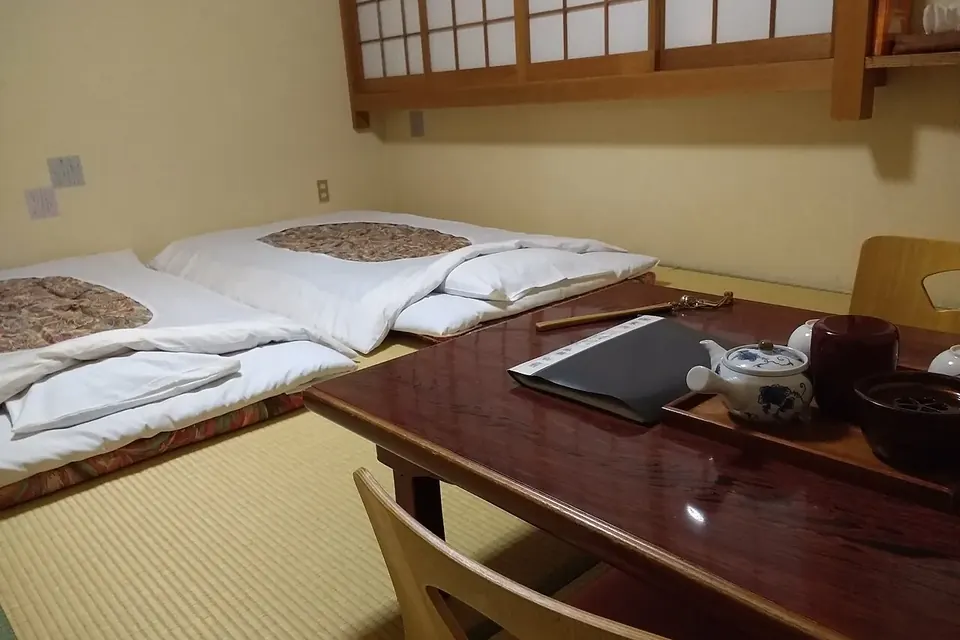
How Japanese homes make small spaces work, and how to borrow the ideas for a city apartment anywhere: what counts as small in Japan, multi-use tatami rooms and futons, built-in storage, sliding doors, floor-level living, the genkan entrance, compact wet rooms and seasonal rotation, with a technique-by-technique table and a weekend plan.
- Tatami mats and room sizes: how Japan measures a room, and how to live on tatami
A guide to tatami: what a mat is made of, the regional sizes (Kyoma, Chukyoma, Edoma, danchi-ma), how rooms are measured in jo and tsubo, the 1.62 m² advertising rule, traditional layout customs, and practical care for tatami in a humid climate.
- The Japanese bath: ofuro at home, sento and onsen, and how to use them
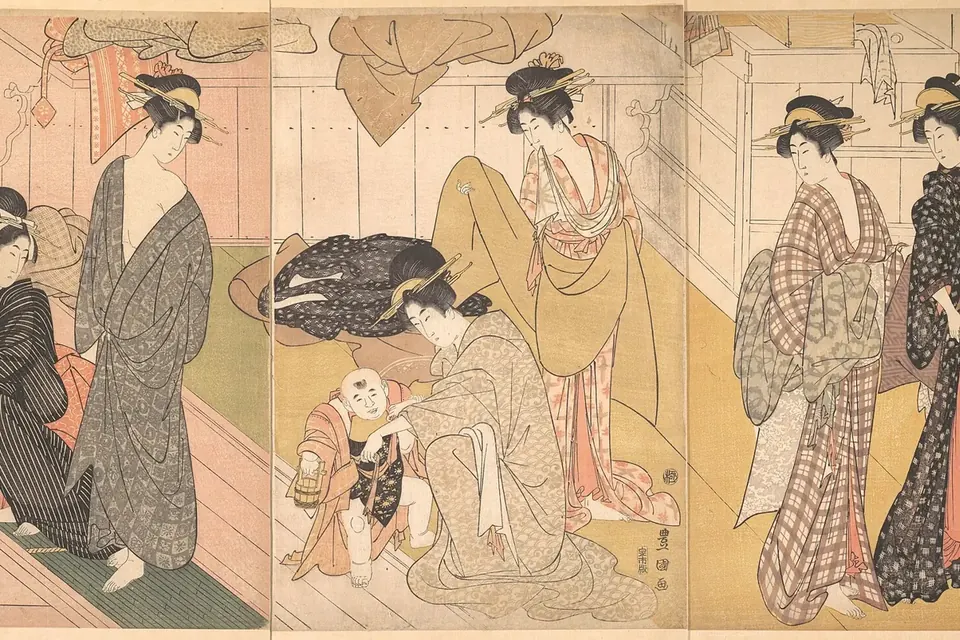
A guide to Japanese bathing: how the home ofuro and unit bath work (wash outside the tub, shared bath water, reheating), the neighbourhood sento and its regulated price, hot-spring onsen etiquette step by step, towels, tattoos and the Japan Tourism Agency's guidance, and bathing safely in hot water.
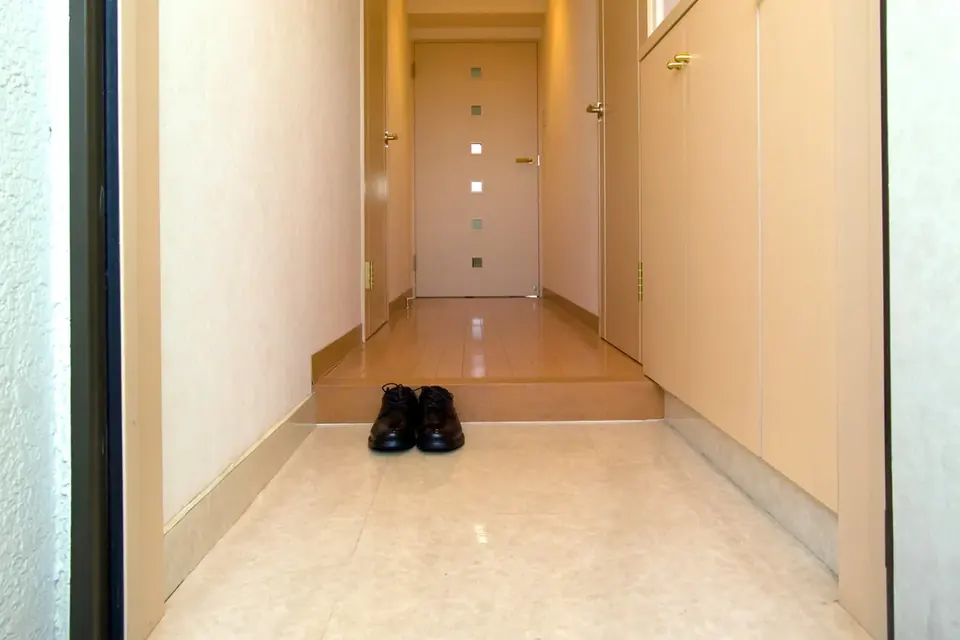
- The genkan and shoes-off homes: how Japan draws the line between outside and inside
A guide to the genkan, the sunken entrance of Japanese homes: why shoes come off, how to step up and turn your shoes, house slippers and toilet slippers, tatami etiquette, where else in Japan you remove shoes, and how to create a genkan-style entrance in any home.