Japanese home cooking
Dashi, rice, miso, soy sauce and pickles: the ingredients and techniques behind everyday Japanese meals.
- Dashi: the Japanese soup stock behind miso soup, noodles and simmered dishes
A practical guide to dashi, the foundation of Japanese home cooking: kombu, katsuobushi, awase, niboshi and shiitake dashi, step-by-step methods and timings, why kombu and bonito together taste stronger (umami synergy), instant dashi, storage, and vegetarian versions.
- Japanese pickles (tsukemono): umeboshi, nukazuke, takuan and quick pickles at home
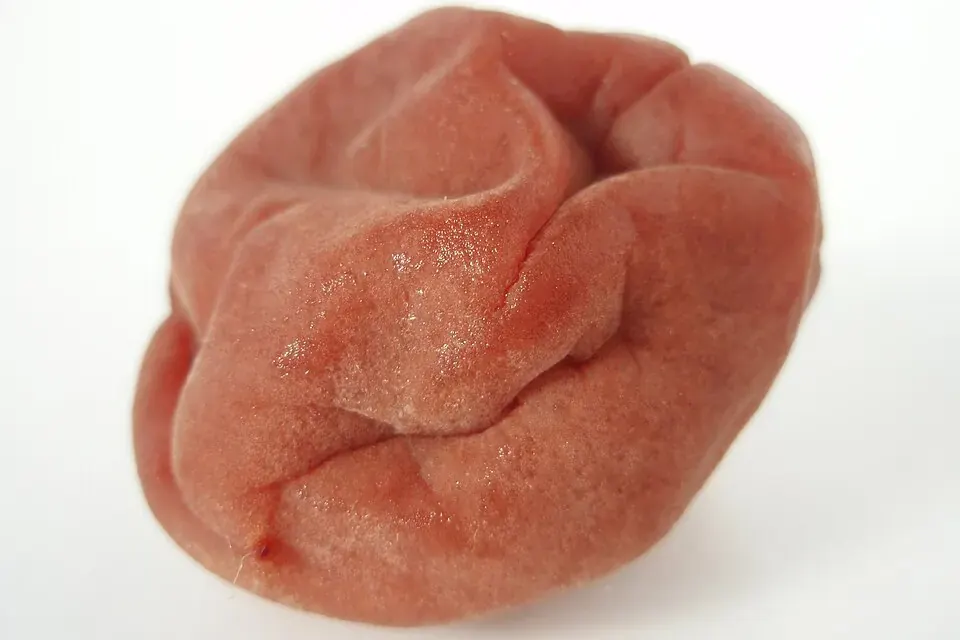
A guide to tsukemono, Japanese pickles: the main methods (salt, rice bran, vinegar, miso, soy sauce, sake lees), classics such as umeboshi, nukazuke, takuan, gari and shibazuke, how they fit into a meal, a simple quick-pickle method, keeping a rice-bran bed, and notes on salt and safety.
- Making miso soup: the main types of miso, how miso is made, and an everyday recipe
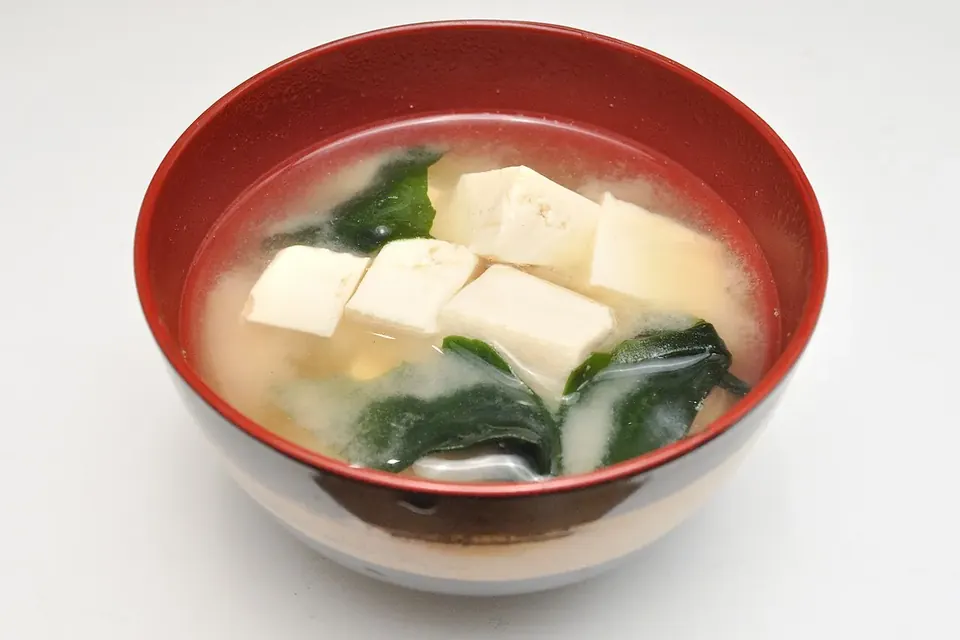
A guide to miso: how it is fermented with koji, the types by koji (rice, barley, soybean) and by colour and sweetness (white, red, mixed), regional styles such as Shinshu, Saikyo and Hatcho, storage, and a step-by-step everyday miso soup with seasonal ingredient ideas.
- Natto: what it is, how it is made, and how to eat fermented soybeans
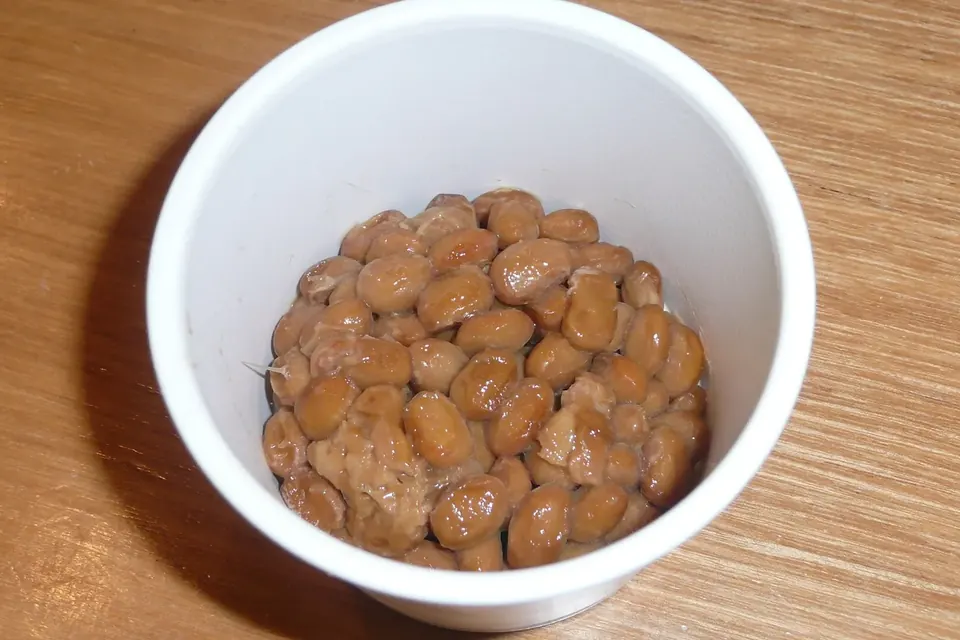
A practical guide to natto, Japan's sticky fermented soybeans: the Bacillus subtilis fermentation, the types you will see in shops, how to stir and season a pack, ways to cook with it, and the vitamin K caution for people taking warfarin.
- Okinawan home cooking: goya chanpuru, fu chanpuru and the island pantry
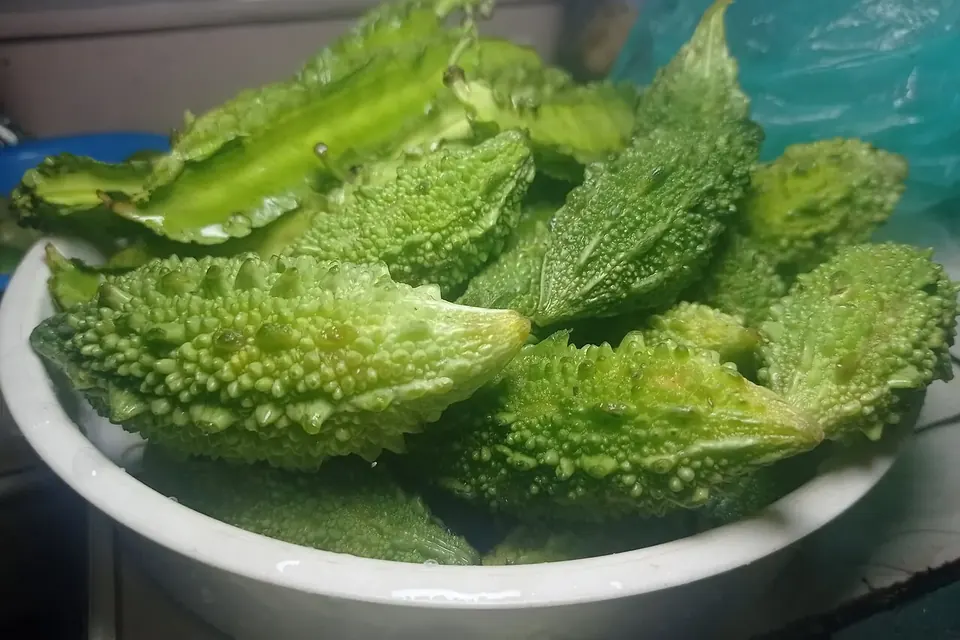
A guide to Okinawan home cooking: what makes it different from mainland Japanese food, the chanpuru stir-fry family (goya, fu, tofu, sōmen), how to prepare bitter melon and reduce its bitterness, a step-by-step goya chanpuru, island ingredients such as shima-dōfu, pork and kombu, Okinawa soba and jūshī rice, and where goya grows in Japan.
- Rice in Japan: choosing it, cooking it, and its place at the table
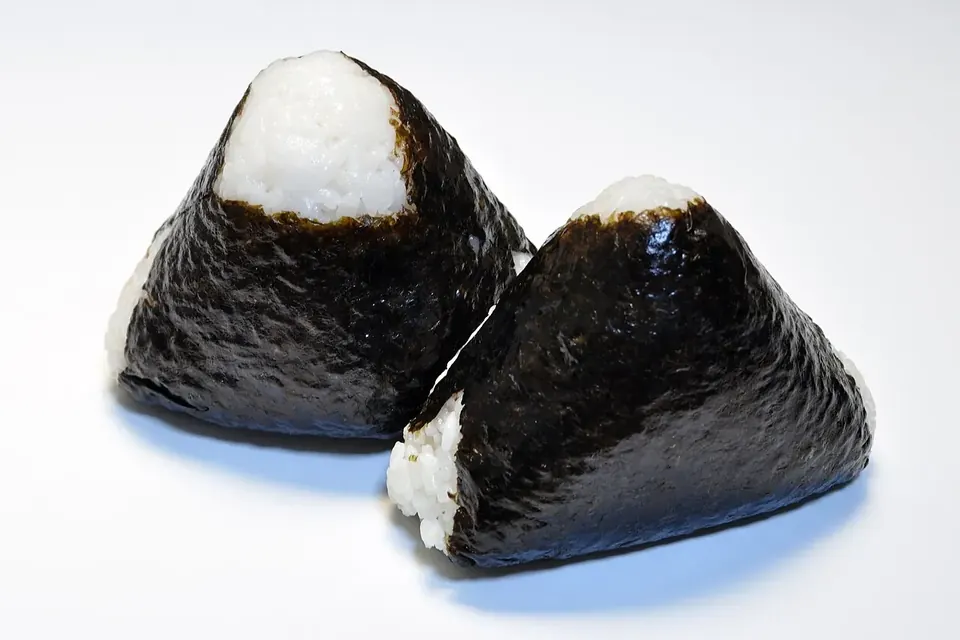
A step-by-step guide to cooking Japanese short-grain rice in a pot or rice cooker: choosing rice, the go measure, washing and soaking times, water ratios, resting, storing leftovers safely, no-wash rice, and shaping onigiri, with notes on how rice consumption has changed in Japan.
- Soy sauce types: koikuchi, usukuchi, tamari, saishikomi and shiro, and when to use each
A guide to Japanese soy sauce (shoyu): how it is brewed, the five official types (koikuchi, usukuchi, tamari, saishikomi, shiro), what each tastes like and how to use it, reading labels (brewing method, grades, wheat and gluten), reduced-salt soy sauce, storage, and how it compares with Chinese soy sauces.