Obon: Japan's summer festival of the ancestors, from welcome fires to bon odori
Every summer, Japan makes room for its ancestors. During お盆 Obon, families believe the spirits of the dead return home for a few days. Small fires are lit to guide them in and see them off, graves are cleaned, offerings are set out at the household altar, and neighbourhoods gather in the evening for circle dances. It is a family holiday and, with New Year, one of the two great annual journeys home.
- Most of Japan observes Obon in mid-August, around 13 to 16 August; Tokyo and some other areas keep the July dates.
- Families light mukaebi (welcome fires) on the first evening and okuribi (sending-off fires) on the last.
- Evenings bring bon odori, community dances that visitors are welcome to join.
- The August period is peak travel: trains, flights and motorways are crowded.
Origins and meaning
Obon takes its name from the Buddhist observance of Urabon (from the Sanskrit Ullambana), associated with a story of a disciple of the Buddha who made offerings to relieve his mother's suffering in the afterlife. In Japan it merged with older beliefs about ancestral spirits returning at certain times of year, and with the summer agricultural calendar. Today it is less a religious event for most people than a time to remember the family's dead, to return to the hometown and to spend time with relatives.
Why the dates differ
Obon was originally held around the fifteenth day of the seventh month of the lunar calendar. When Japan adopted the Gregorian calendar in 1873, some places moved it to 15 July, while most of the country kept it a month later, in mid-August, closer to the old seasonal timing and better suited to farming. As a result, Tokyo and parts of eastern Japan observe "July Obon", while most of Japan observes "August Obon". Some areas, notably in Okinawa, still follow the lunar calendar, so their dates move each year.
Obon is not a national public holiday, but many companies close for several days in mid-August, creating one of the busiest travel periods of the year.
What families do
- Prepare the altar. The household Buddhist altar (butsudan) is cleaned and a special shelf of offerings (shōryōdana or bondana) may be set up with fruit, vegetables, sweets and flowers. In many homes, a cucumber "horse" and an aubergine "cow" made with chopsticks for legs are placed there: the fast horse brings the spirits home quickly, the slow cow takes them back unhurried.
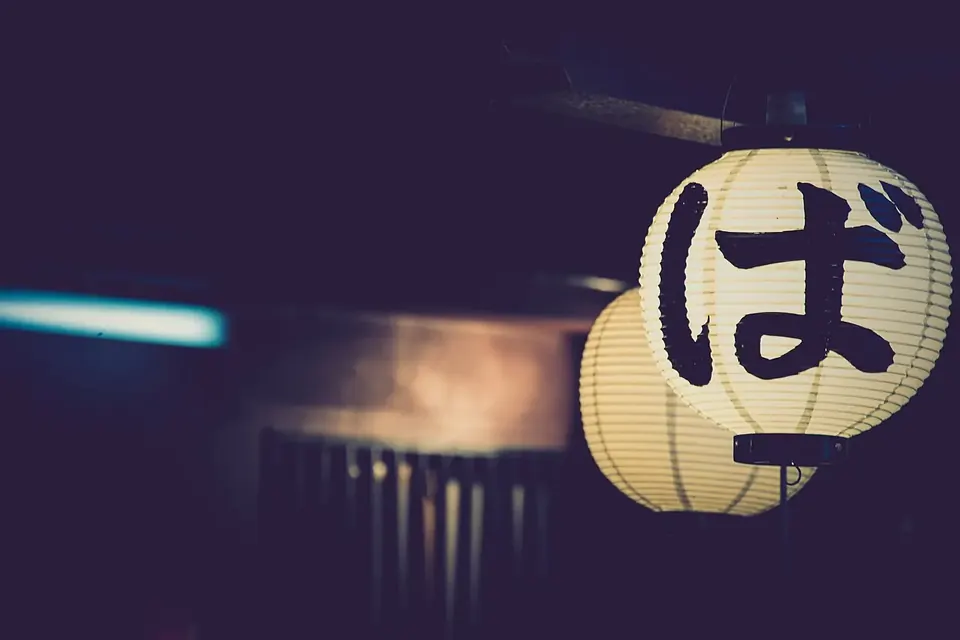
- Light the welcome fire. On the first evening, a small fire of hemp stalks (mukaebi) is lit at the door or the grave, and paper lanterns are hung to guide the spirits.
- Visit the graves. Families clean the family grave, pour water over the stone, and offer flowers and incense.
- Spend time together. Relatives gather; a priest may visit to chant sutras, especially in the first Obon after a death (hatsubon), which is observed with particular care.
- Send the spirits off. On the last evening, the sending-off fire (okuribi) is lit. In some places, lanterns are floated down rivers or out to sea (tōrō nagashi).
Food at Obon
Offerings at the altar usually include seasonal fruit and vegetables, small rice dumplings and sweets, and in many families vegetarian dishes in the Buddhist tradition of shōjin ryōri, without meat or fish. Regional customs vary widely: some areas make special sweets for the spirits' return, and others share the offerings with visiting relatives at the end of the holiday. Summer foods such as chilled somen noodles, watermelon and grilled corn are standard at family gatherings and festival stalls.
Bon odori
In the evenings, neighbourhoods, temples and towns hold bon odori: people in light cotton kimono (yukata) dance in a circle around a raised stage (yagura) with drummers and singers, to traditional songs and sometimes pop songs. The steps are simple and repeated, so newcomers learn by following the person in front. Some regional dances have become major festivals, such as the Awa Odori in Tokushima, the Gujō Odori in Gifu, which continues for many nights through the summer, and Okinawa's eisā drum dances.
Kyoto's Gozan no Okuribi
In Kyoto, Obon ends on the evening of 16 August with the Gozan no Okuribi, five huge bonfires lit on the mountains around the city, in the shape of characters and figures, starting with the character 大 ("great") on Mount Nyoigatake from 8 p.m. They are sending-off fires on a city-wide scale, watched in silence from bridges and riverbanks.
Visiting during Obon
- Book transport early for mid-August; avoid travelling on the first and last days if you can.
- Expect some closures, especially family-run shops and restaurants in the countryside.
- Join a bon odori: local festivals are usually free and welcoming; watch a round, then step in.
- Be respectful at cemeteries and temples, which are busy with families. Our guide to visiting shrines and temples covers etiquette.
- Prepare for heat: August is hot and humid in most of Japan; carry water.
Obon in the year
Obon is one of two moments when the dead are especially remembered, the other being the spring and autumn equinox weeks (higan). Together with New Year, it structures the family calendar around homecomings. Its imagery, from lanterns to summer fireworks and the sound of cicadas, is as tied to summer as cherry blossoms are to spring.
Sources
- Japan National Tourism Organization (JNTO), japan.travel, seasonal events information, consulted October 2026.
- Kyoto City Tourism Association, information on the Gozan no Okuribi (16 August, from 8 p.m.), consulted October 2026.
- National Diet Library, "Japanese Calendar" (adoption of the solar calendar in 1873), consulted October 2026.
 Seasons and festivals
Japanese New Year: shōgatsu
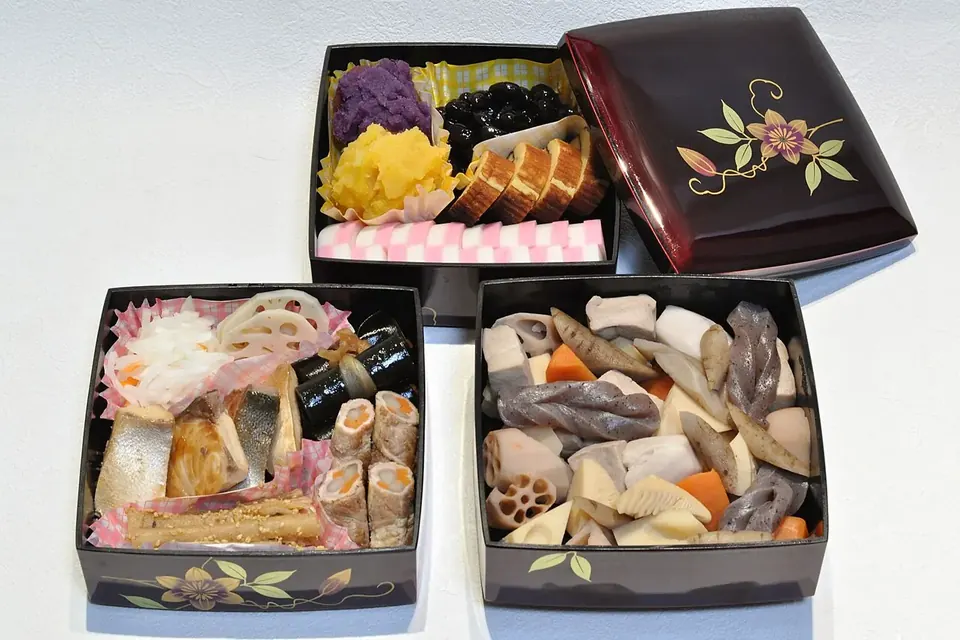
Year-end cleaning, temple bells, osechi boxes, the first shrine visit and money for children: the year's biggest holiday, day by day.
 Seasons and festivals
Visiting shrines and temples
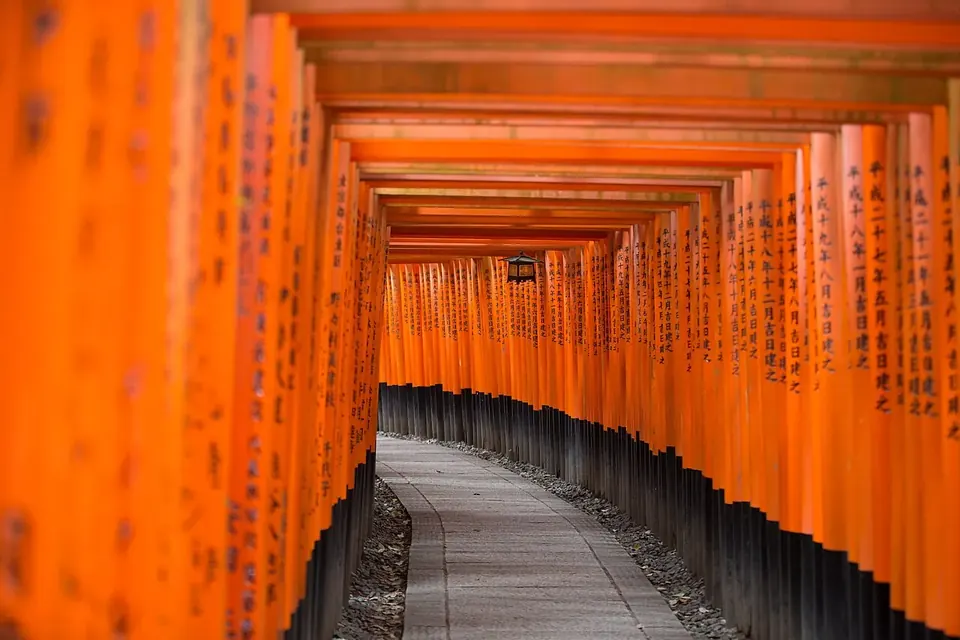
Torii or temple gate, two claps or none: purification, prayer, omikuji and charms, with Tokyo's Sensō-ji as an example.
 Seasons and festivals
Hanami and the cherry blossom season
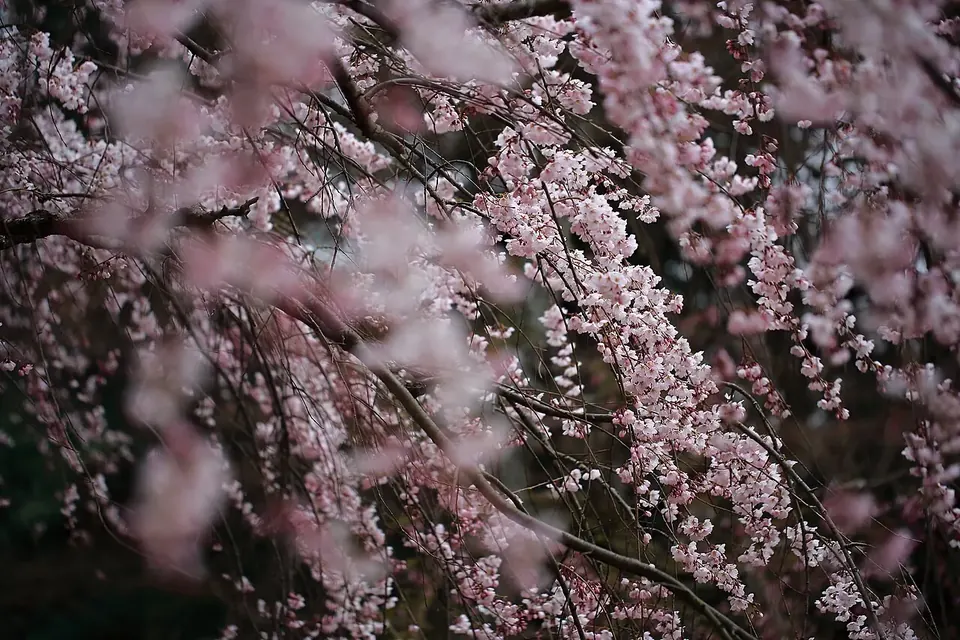
How the Japan Meteorological Agency declares the blossoms open, why it starts in Okinawa, and picnic etiquette under the trees.