Garbage sorting in Japan: how the system works, and how not to annoy your neighbours
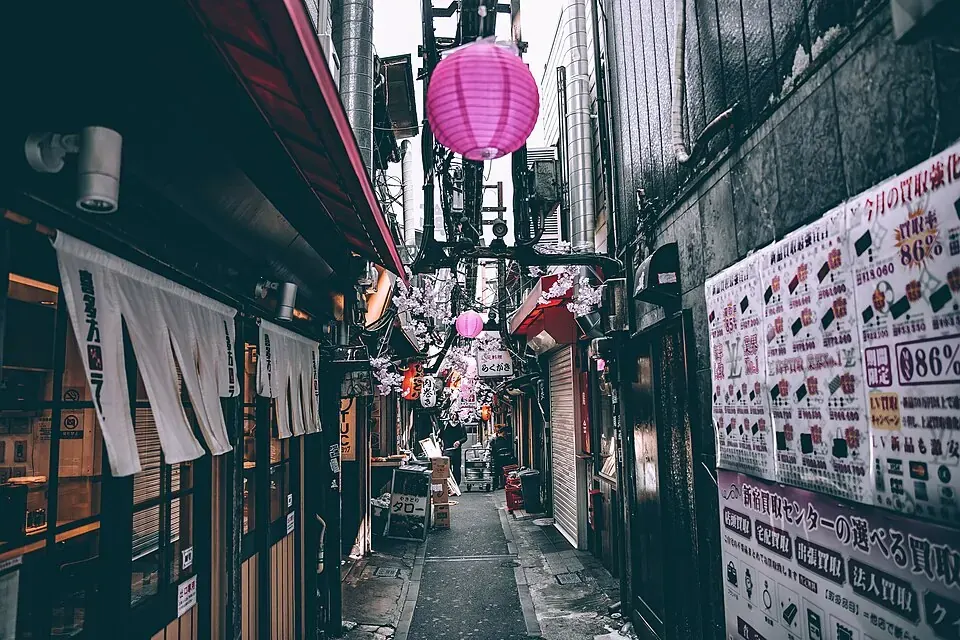
For many new residents, the first real test of life in Japan is not the language but the rubbish. Household waste is sorted into several categories, each collected on its own day, from shared collection points on the street or in the building. The rules are set by each municipality, so they change when you move, and neighbours notice when they are not followed. The system is logical once you see it whole.
- Rules are set by your city or ward; get its guide, calendar or app when you move in.
- Typical categories: burnable, non-burnable (or metal, ceramic and glass), recyclables (paper, cans, bottles, PET bottles, plastic) and oversized items.
- Put rubbish out on the right day, by the stated time (8 a.m. in many Tokyo wards), not the night before.
- Large appliances such as fridges, TVs and air conditioners are handled under a recycling law, not by city collection.
Why the rules vary
In Japan, household waste collection is the responsibility of municipalities. Each city or Tokyo ward decides its categories, bags, days and fees, depending on its incinerators and recycling contracts. A town may ask you to separate a dozen types and use paid, designated bags; a central Tokyo ward may have fewer categories and accept clear bags. Moving even a few kilometres can change the rules, so the first step in a new home is always the local guide.
The usual categories
Using Shinjuku City in Tokyo as an example, based on its 2026 guide for foreign residents:
| Category | Examples | How |
|---|---|---|
| Combustible (burnable) | Food waste, paper scraps, dirty paper such as pizza boxes, photos, small leather and rubber items | Drain food waste; tie in a bag |
| Paper resources | Newspapers, magazines, cardboard, beverage cartons, miscellaneous paper | Tie with string by type; once a week |
| Recyclable plastic | Plastic containers and packaging with the recycling mark; 100% plastic items under 30 cm | Clean and empty; clear or semi-transparent bag |
| PET bottles | Drink bottles with the PET mark | Rinse and crush; caps and labels go with recyclable plastic |
| Bottles and cans | Food and drink cans and bottles | Rinse; clear bags or the coloured crates at the site |
| Spray cans, gas cartridges, batteries | Aerosols, cassette gas, dry-cell and small rechargeable batteries | Use up contents; tape battery terminals |
| Metal, ceramics, glass | Broken glass, pots, small appliances, light bulbs | Wrap sharp items and mark them "kiken" (danger) |
| Oversized | Furniture, bedding, items over 30 cm | Book collection; buy fee tickets |
Shinjuku notes that, since April 2024, plastic packaging and other all-plastic items are collected together as recyclable plastic. Other cities still separate them, or burn plastic with combustible waste. This is exactly the kind of detail that differs between municipalities.
Collection days and the 8 a.m. rule
Each category has fixed days, for example combustible waste twice a week and each recyclable type once a week. Rubbish should be put out on the morning of collection, by the stated time; in Shinjuku and many other Tokyo wards, the guide says by 8 a.m. Putting it out the night before attracts crows and cats, and is one of the most common reasons for complaints. Apartment buildings often have their own collection room with containers, which may allow rubbish to be left at any time; ask the management company.
Preparing items
- Empty and rinse containers. Dirty plastic or cans that can't be cleaned go with burnable or metal waste instead.
- Separate parts: caps and labels from PET bottles, paper sleeves from plastic trays.
- Crush PET bottles and cans to save space.
- Tie paper with string; fold newspapers.
- Use the right bag: clear or semi-transparent in many Tokyo wards, designated paid bags in many other cities.
- Mark dangerous items: wrap broken glass and knives in paper and write キケン (danger) on them.
Oversized items and appliances
Furniture, futons, bicycles and other large items are sodai gomi (oversized waste). In Shinjuku, collection must be booked through the Oversized Garbage Reception Center by phone or online, and you buy fee tickets in shops to stick on each item before putting it out on the agreed morning. Fees depend on size.
Air conditioners, televisions, fridges and freezers, washing machines and clothes dryers are covered by Japan's Home Appliance Recycling Law: cities don't collect them. The shop that sells you a replacement, or the shop where you bought the old one, arranges collection, and you pay a recycling fee plus transport. Personal computers are handled separately by manufacturers' recycling schemes.
Tips for new residents
- Get the guide on day one: ward offices give out multilingual guides when you register your address, and many cities have sorting apps with calendars and reminders.
- Keep several bins at home, even small ones: burnable, plastic, PET and cans at least. In a small flat, a stacking unit or bags hung inside a cupboard work; see our guide to living small.
- Learn the street rules too: there are few public bins, so rubbish goes home with you; see train and public manners.
- Watch the collection point for a week to see what neighbours do.
- Moving out: book oversized collection weeks in advance; slots fill up in March, Japan's moving season.
- When in doubt, ask the ward office or building manager; rejected bags are often left with a sticker explaining why.
Why it matters
Careful sorting is part of being a good neighbour in Japan, alongside quiet hours and keeping shared spaces tidy. It also makes a measurable difference: separated paper, cans, bottles and PET bottles are recycled at high rates, and less waste goes to incineration and landfill. The habit of thinking about packaging, and of reusing furoshiki and shopping bags, connects with other customs explained in our guide to gift-giving.
Sources
- Shinjuku City, Information on Everyday Living for Foreign Residents, "Garbage and Recycling" (PDF), 2026.
- Ministry of Economy, Trade and Industry (METI), Home Appliance Recycling Law (Act on Recycling of Specified Kinds of Home Appliances), consulted October 2026.
- Ministry of the Environment, materials on municipal waste management in Japan, consulted October 2026.
 Homes and small spaces
Living small the Japanese way
Rooms that change use, storage in the walls, sliding doors and a real entrance: lessons from Japanese homes for any small flat.
 Everyday culture
Gift-giving in Japan: omiyage and more
Why travellers bring boxes of sweets back for colleagues, what to take when visiting a home, and the numbers to avoid.
 Homes and small spaces
The genkan and shoes-off homes
Why shoes stop at the step, which slippers go where, and how to visit a Japanese home without a misstep.