Chopstick etiquette and Japanese table manners: what to do, and the few things never to do
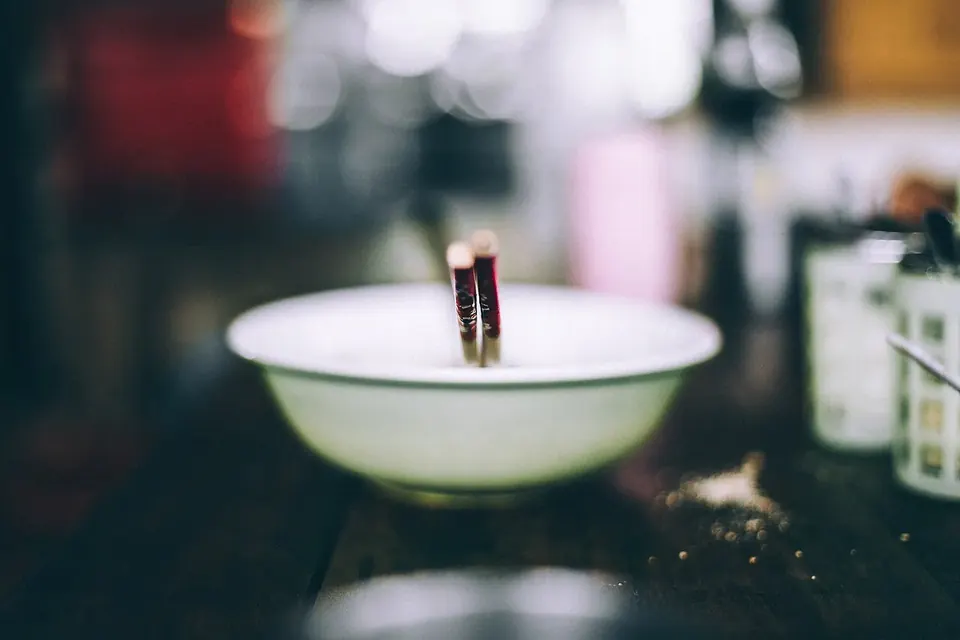
Japanese table manners have a reputation for being complicated. In practice, people are forgiving with visitors, and most of what matters can be learned in a few minutes: a phrase before and after eating, a few ways of handling bowls, and two chopstick gestures to avoid because they belong to funerals. The rest is the ordinary courtesy of sharing a table.
- Say itadakimasu before eating and gochisōsama (deshita) afterwards.
- Never stand chopsticks upright in rice, and never pass food from chopstick to chopstick: both recall funeral rites.
- It is normal to lift small bowls to your mouth, and to slurp noodles.
- There is no tipping in Japanese restaurants.
Before and after the meal
Itadakimasu, said with hands together or a small bow, literally means "I humbly receive". It is a thanks for the food, the people who produced and prepared it, and, in the traditional explanation, the lives of the plants and animals eaten. Gochisōsama deshita, said at the end, thanks the person who prepared or paid for the meal. Both are used at home, in restaurants and at school lunch, where children say them together.
Holding and resting chopsticks
The lower chopstick rests still in the base of the thumb and on the ring finger; the upper one is held like a pen and moves to pinch food. When you are not using them, place them on the chopstick rest (hashioki) with the tips to the left, or, if there is none, on the edge of your tray or on the paper sleeve folded into a rest. At the end of the meal, put them back on the rest or in the sleeve.
The chopstick taboos
Tate-bashi (立て箸), standing chopsticks upright in a bowl of rice, resembles the bowl of rice with chopsticks placed for the dead at Buddhist funerals and memorials. Hashi-watashi (箸渡し), passing food from one person's chopsticks to another's, recalls the ceremony after cremation in which family members pass the bones of the deceased between them with chopsticks. Both are genuinely upsetting to many people.
Other habits are considered bad manners rather than taboo:
| Name | What it is | Instead |
|---|---|---|
| Sashi-bashi (刺し箸) | Stabbing food with a chopstick | Pick it up, or cut it with the chopsticks |
| Mayoi-bashi (迷い箸) | Hovering over dishes, undecided | Decide, then reach |
| Yose-bashi (寄せ箸) | Dragging a dish towards you with chopsticks | Move dishes with your hands |
| Neburi-bashi (ねぶり箸) | Licking chopsticks | Just don't |
| Sashi-bashi (指し箸) | Pointing at people with chopsticks | Put them down to gesture |
| Watashi-bashi (渡し箸) | Resting chopsticks across a bowl mid-meal | Use the chopstick rest |
When taking food from shared dishes, use serving chopsticks if provided. If not, some people turn their own chopsticks around and use the clean ends, though not everyone considers this correct; asking for a small plate (torizara) is always fine.
Bowls, soup and noodles
- Lift small bowls. Rice and soup bowls are picked up and held at chest level while eating; leaning down to the table is considered less polite. Large plates stay on the table.
- Drink soup from the bowl, using chopsticks to hold back or pick up the ingredients. Spoons are used for some dishes, such as ramen, curry and chawanmushi.
- Slurp noodles. Soba, udon and ramen are slurped; it cools the noodles and is said to bring out the aroma. Nobody expects it of you, but nobody will mind.
- Replace lids on lidded bowls when you finish, as they came.
- Finish your rice. Leaving a few grains can be seen as wasteful; leaving a whole dish untouched is better explained than left.
Sushi, soy sauce and wasabi
Nigiri sushi can be eaten with fingers or chopsticks. Turn the piece and dip the fish, not the rice, lightly in soy sauce. At sushi counters, the chef often seasons pieces already, in which case no soy sauce is needed. Pour only a little soy sauce into your dish at a time. Our guide to soy sauce types explains why different sauces exist.
Types of chopsticks
Japanese chopsticks are usually shorter than Chinese ones and taper to fine points, which helps with picking bones from fish. At home, each person often has their own pair, sometimes in a length that suits their hand, and lacquered wooden chopsticks are a common gift. Restaurants provide disposable wooden waribashi, joined at the top and split before use. Don't rub them together to remove splinters, which suggests the restaurant's chopsticks are cheap; if there is a splinter, simply remove it. Children often learn with training chopsticks, and many families have special chopsticks for New Year, rounded at both ends so that one end is used by people and the other, symbolically, by the gods.
Drinks
At a meal with others, don't fill your own glass first: pour for the people next to you, and someone will pour for you. Wait for the toast, kanpai, before drinking. If you don't want more, leave your glass full.
Paying and tipping
Tipping is not customary in Japan, and trying to leave money can cause confusion. In many restaurants you take the bill to the register at the entrance. Some places add a table charge (otōshi, usually with a small appetizer) or a service charge at higher-end restaurants. Saying gochisōsama deshita to the staff on your way out is the thanks they expect.
At someone's home
Home meals are more relaxed, but the basics stay: say the phrases, wait to be told where to sit, and offer to help. Bringing a small gift is common when visiting; our guide to gift-giving explains what to bring.
Sources
- Ministry of Agriculture, Forestry and Fisheries (MAFF), Shokuiku (food and nutrition education) materials, including table manners, consulted October 2026.
- UNESCO, Washoku, traditional dietary cultures of the Japanese, Representative List of the Intangible Cultural Heritage of Humanity, 2013.
- Japan National Tourism Organization (JNTO), visitor guidance on dining etiquette and tipping, consulted October 2026.
 Everyday culture
Gift-giving in Japan: omiyage and more
Why travellers bring boxes of sweets back for colleagues, what to take when visiting a home, and the numbers to avoid.
 Japanese home cooking
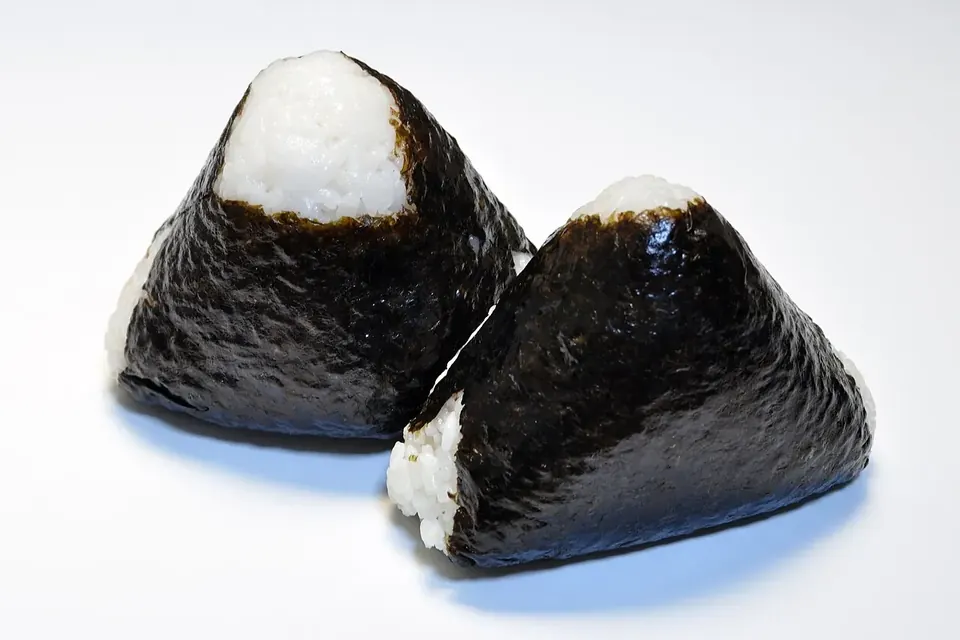
Rice in Japan, and how to cook it
Short-grain rice, washed and soaked, cooked by absorption and rested: the method, the ratios and the onigiri that follow.
 Japanese home cooking
The five types of Japanese soy sauce
Why 'light' soy sauce is saltier, which one goes with sashimi, and how to read a Japanese soy sauce label.