Everyday culture
Chopsticks, baths, gifts, rubbish sorting and other daily customs, explained without the clichés.
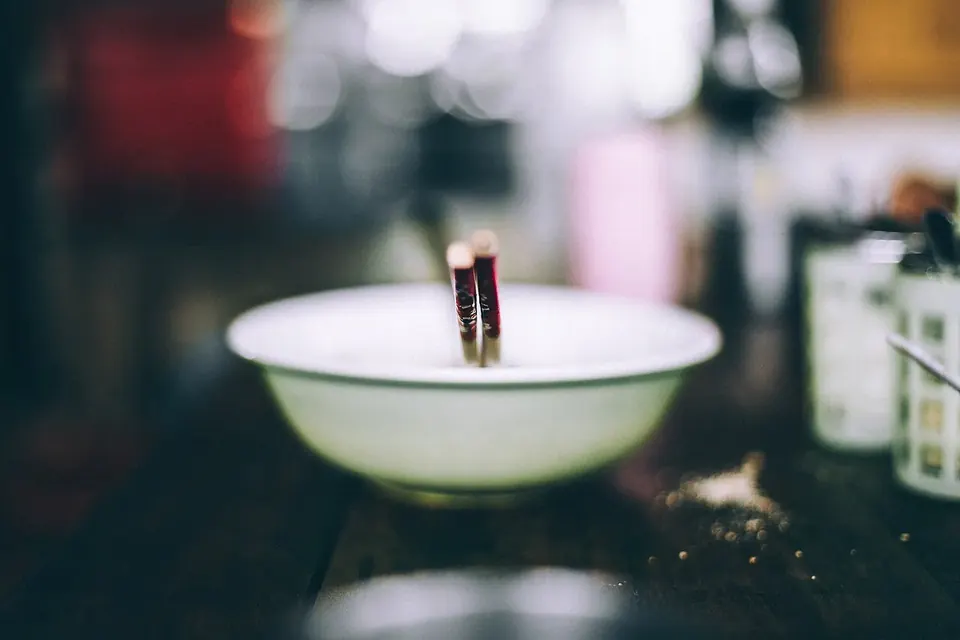
- Chopstick etiquette and Japanese table manners: what to do, and the few things never to do
A guide to Japanese table manners: itadakimasu and gochisōsama, how to hold and rest chopsticks, the chopstick taboos (tate-bashi and hashi-watashi and why they recall funerals), lifting bowls, eating noodles, sharing dishes, soy sauce, paying and tipping, with a quick do-and-don't table.
- Garbage sorting in Japan: how the system works, and how not to annoy your neighbours
A practical guide to household rubbish in Japan: why rules differ by city, the usual categories (burnable, non-burnable or metal and glass, recyclables, plastic, PET bottles, oversized items), collection days and the 8 a.m. rule, preparing items, oversized rubbish by reservation, appliances under the recycling law, and tips for new residents.
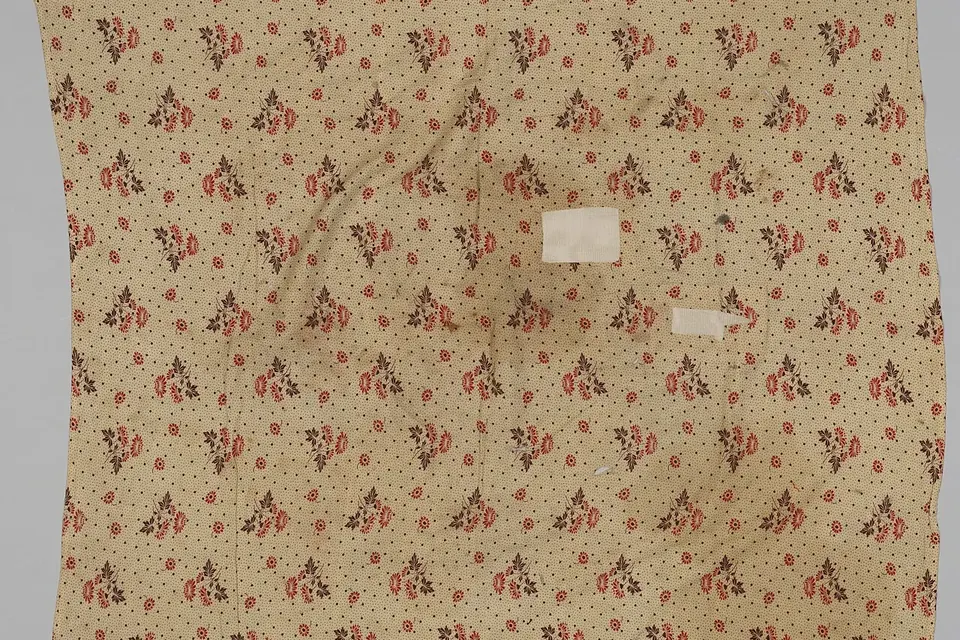
- Japanese gift-giving: omiyage, visiting gifts, seasonal gifts and wrapping
A guide to gift-giving in Japan: omiyage souvenirs for colleagues and friends, temiyage when visiting someone's home, the summer and year-end gifts ochūgen and oseibo, return gifts, wrapping and furoshiki, giving and receiving with both hands, and numbers and items to avoid.
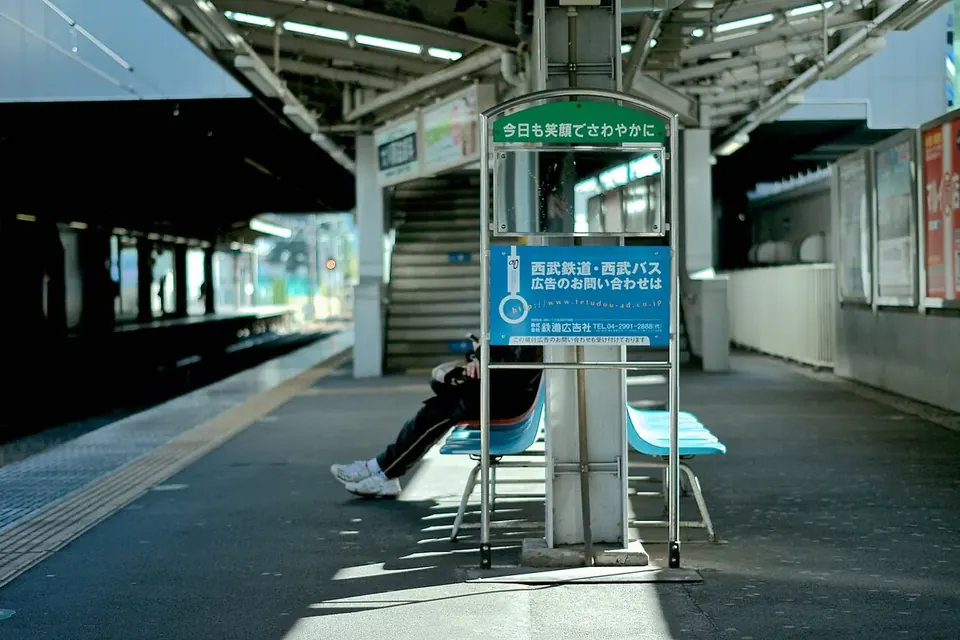
- Train and public manners in Japan: queues, phones, escalators and quiet carriages
A practical guide to manners on Japanese trains and in public spaces: queuing at platform markings, letting passengers off first, phones on silent and no calls, priority seats, women-only cars, backpacks, eating and drinking, escalator sides and the Saitama and Nagoya ordinances asking people to stand still, and walking in busy stations.