Dashi: the Japanese soup stock behind miso soup, noodles and simmered dishes

Most Japanese home cooking starts with 出汁 dashi, a light stock made in minutes from dried ingredients. It is the base of miso soup, the broth of udon and soba, the liquid in simmered vegetables and the savoury depth in rolled omelette. It is also where modern food science found a fifth basic taste. Making it from scratch is easier than its reputation suggests, and once you can, a whole range of Japanese dishes becomes simple.
- The classic dashi is awase: kombu (kelp) and katsuobushi (dried, smoked bonito flakes).
- Kombu is soaked or heated gently and removed before boiling; bonito flakes steep briefly and are strained.
- Kombu provides glutamate and bonito provides inosinate; together they produce a stronger umami than either alone.
- Vegetarian dashi uses kombu and dried shiitake. Instant granules and dashi packs are everyday shortcuts in Japan too.
The main ingredients
| Ingredient | What it is | Flavour |
|---|---|---|
| Kombu (昆布) | Dried kelp, mostly from Hokkaido | Clean, oceanic, rich in glutamate |
| Katsuobushi (鰹節) | Skipjack tuna (bonito) fillets simmered, smoked, dried and shaved | Smoky, savoury, rich in inosinate |
| Niboshi (煮干し) | Small dried sardines or anchovies | Stronger, more fishy; used for miso soup and noodles |
| Dried shiitake (干し椎茸) | Sun- or air-dried mushrooms | Earthy, contains guanylate |
Kombu is sold in stiff sheets with a white powder on the surface. That bloom is mostly mannitol, a natural sugar alcohol, and part of the flavour, so it is wiped gently with a dry or damp cloth rather than washed off. Katsuobushi comes as fine flakes in bags; whole blocks, as hard as wood, are shaved at home with a special box plane by enthusiasts.
Why it tastes so savoury: umami
In 1908, the chemist Kikunae Ikeda of Tokyo Imperial University identified glutamate as the source of the distinctive taste of kombu dashi and named it umami. Later researchers found inosinate in katsuobushi and guanylate in dried shiitake. These nucleotides strongly enhance the taste of glutamate: a dashi made with both kombu and bonito tastes much more intensely savoury than the same amounts used separately. Taste receptors for umami were identified in the early 2000s, and it is now widely accepted as a basic taste alongside sweet, sour, salty and bitter.
Awase dashi (kombu and bonito)
For about 1 litre, enough for four bowls of miso soup:
- Soak 10 g of kombu (a piece about 10 × 10 cm) in 1 litre of cold water for 30 minutes, or several hours in the fridge.
- Heat slowly. Remove the kombu just before the water boils, when small bubbles appear at the edges. Boiling kombu makes the stock slimy and bitter.
- Add the bonito. Bring the water to a boil, turn off the heat, add 15 to 20 g of katsuobushi (a large handful), and let it sink for 1 to 2 minutes.
- Strain through a fine sieve lined with kitchen paper or cloth. Don't squeeze the flakes, which clouds the stock.
This first stock is ichiban dashi, delicate and clear, used for clear soups. The used kombu and bonito can be simmered again in fresh water for 10 minutes to make niban dashi, a stronger, cloudier second stock for miso soup and simmered dishes.
Other dashi
Kombu dashi (cold brew)
Put kombu in cold water and leave it in the fridge overnight. No heating at all gives a clean, gentle stock, ideal for tofu dishes, hot pots and vegetarian cooking.
Shiitake dashi
Soak 3 or 4 dried shiitake in 500 ml of cold water for several hours or overnight in the fridge. Combine with kombu dashi for a fully plant-based stock with good umami. The rehydrated mushrooms can be sliced into the dish.
Niboshi dashi
Remove the heads and dark guts of 15 to 20 g of dried sardines to avoid bitterness, soak in 1 litre of water for 30 minutes, then simmer gently for 5 to 10 minutes, skimming, and strain. Robust and slightly fishy, it is the traditional base for miso soup in many households and for some ramen and udon broths.
Instant dashi and dashi packs
Most Japanese households use shortcuts at least some of the time. Granulated dashi (often sold as hondashi-type products) dissolves in hot water; check the label, since many contain added salt, sugar and monosodium glutamate. Dashi packs are tea-bag sachets of ground bonito, kombu and other ingredients, simmered for a few minutes; they give a result close to homemade. Both are perfectly respectable for everyday cooking.
Using dashi
- Miso soup: dashi, ingredients, then miso dissolved in at the end. See our miso guide.
- Noodle broth: dashi seasoned with soy sauce and mirin; usukuchi soy sauce keeps it pale. See soy sauce types.
- Simmered dishes (nimono): vegetables, tofu or fish cooked gently in dashi, soy sauce, mirin and sake.
- Rolled omelette (dashimaki tamago): eggs loosened with dashi for a soft, juicy texture.
- Rice: cooked with dashi and seasonings for takikomi gohan. Our guide to cooking Japanese rice covers the basics.
Choosing kombu and katsuobushi
Several kinds of kombu are sold, named after their Hokkaido regions. Ma-kombu gives a clear, slightly sweet stock prized in Osaka; rishiri-kombu a clear, refined stock favoured in Kyoto cuisine; rausu-kombu a rich, yellowish stock; and hidaka-kombu is softer and often eaten as well as used for stock. For katsuobushi, hanakatsuo flakes are the everyday choice; thicker shavings are simmered longer for noodle broths. Thick, evenly coloured kombu and pale pink, fragrant bonito flakes are signs of good quality.
Storage
Fresh dashi keeps 2 to 3 days in a covered container in the fridge, and freezes well in ice-cube trays for a month or so. Store kombu and katsuobushi in airtight containers away from humidity; once opened, bonito flakes lose aroma quickly and are best kept in the fridge or freezer.
Sources
- UNESCO, Washoku, traditional dietary cultures of the Japanese, Representative List of the Intangible Cultural Heritage of Humanity, 2013.
- Ikeda K., "New seasonings", Journal of the Tokyo Chemical Society, 1909; English translation in Chemical Senses, 2002.
- Nelson G. et al., "An amino-acid taste receptor", Nature, 2002.
- Umami Information Center, "Discoverer of umami: Kikunae Ikeda", consulted October 2026.
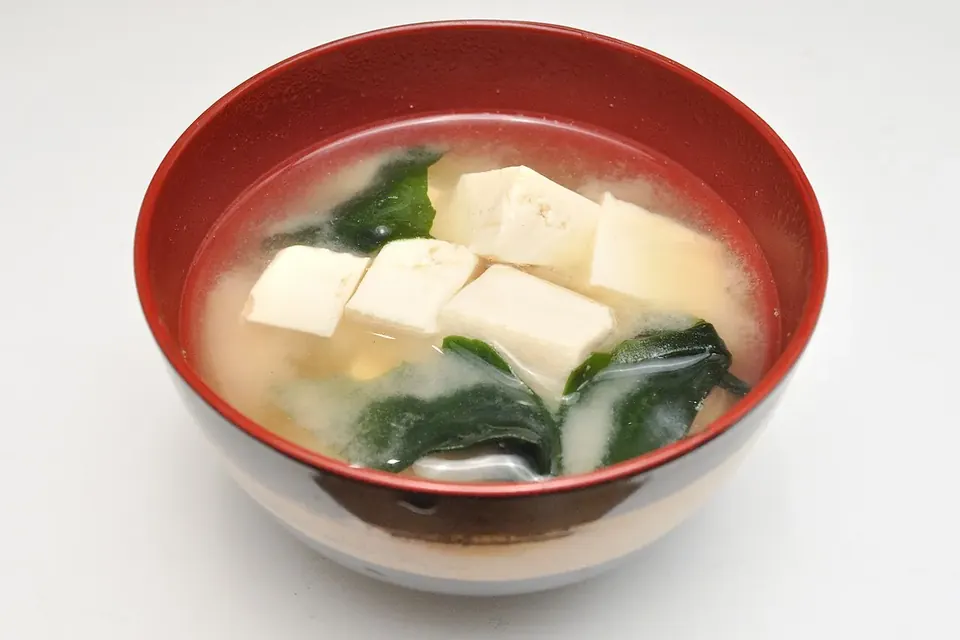 Japanese home cooking
Making miso soup and choosing miso
Rice, barley or soybean koji; white, red or mixed: how to choose a miso, and the one rule for miso soup.
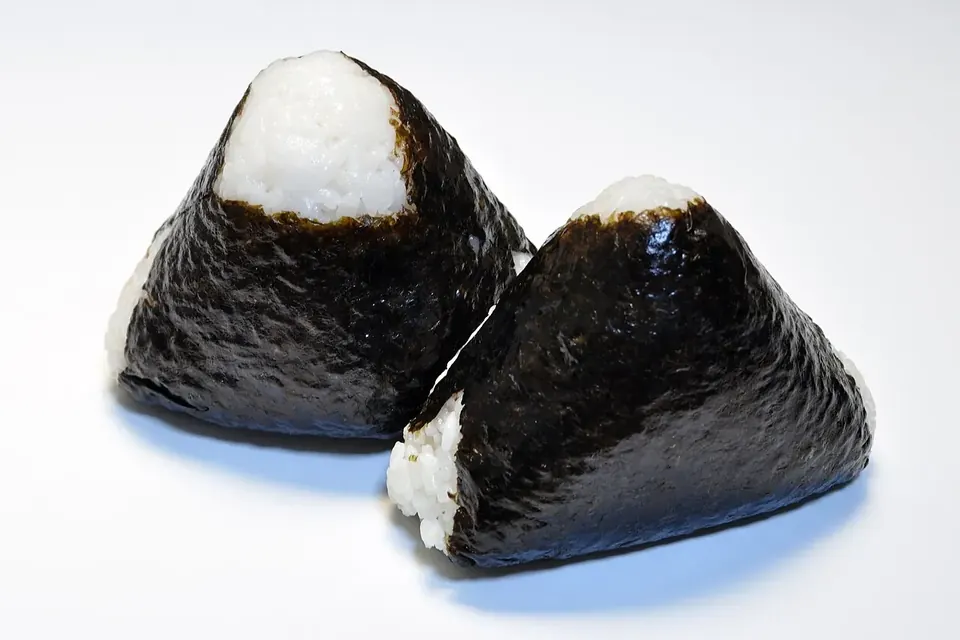 Japanese home cooking
Rice in Japan, and how to cook it
Short-grain rice, washed and soaked, cooked by absorption and rested: the method, the ratios and the onigiri that follow.
 Japanese home cooking
The five types of Japanese soy sauce
Why 'light' soy sauce is saltier, which one goes with sashimi, and how to read a Japanese soy sauce label.