Japanese gift-giving: omiyage, visiting gifts, seasonal gifts and wrapping
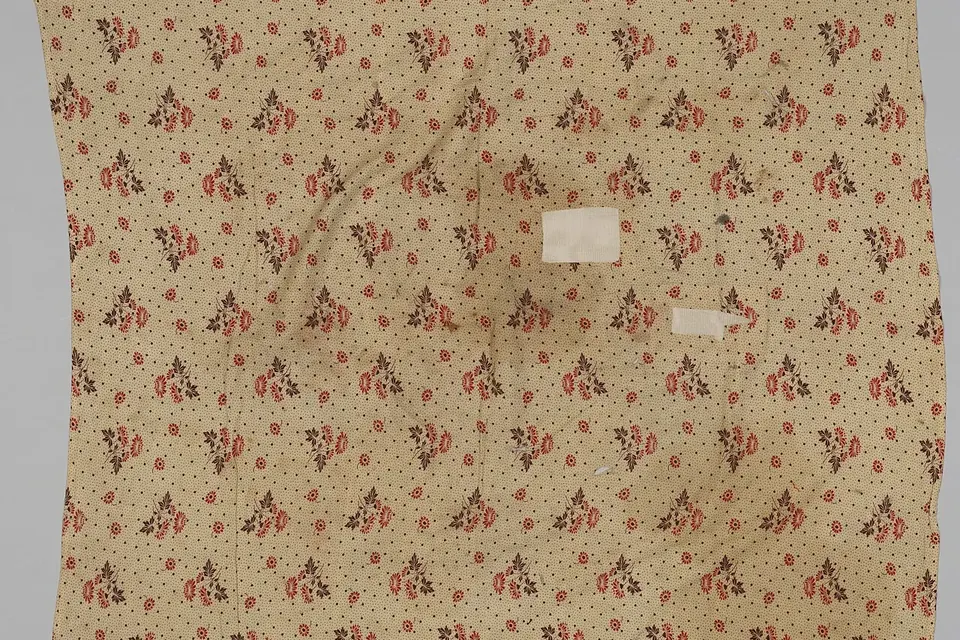
Gifts in Japan are less about surprise than about relationships. They say thank you, smooth a request, apologize for an absence or mark the season. Much of the custom is predictable: a box of individually wrapped sweets for the office after a trip, something modest when visiting a home, a seasonal gift for people who have helped you during the year. Understanding the pattern makes it easy to take part without overthinking it.
- Omiyage: food souvenirs from a trip, shared with colleagues, friends or family; individually wrapped sweets are the classic.
- Temiyage: a modest gift brought when visiting someone's home.
- Ochūgen (summer) and oseibo (year-end) are seasonal thank-you gifts, now less common among younger people.
- Give and receive with both hands, and avoid sets of four or nine.
Omiyage: bringing the trip home
After a holiday or business trip, people in Japan typically bring back お土産 omiyage: local specialities for those who stayed behind. At work, the usual form is a box of individually wrapped sweets or crackers, enough for everyone in the team, left in a common area with a note saying where it comes from. Every region, station and airport has its own boxed specialities, from Kyoto's cinnamon-scented yatsuhashi to Okinawa's purple sweet potato tarts, designed to travel well and be shared.
The point is less the gift than the gesture: acknowledging that colleagues covered for you, and sharing a little of the place you visited. Visitors to Japan bringing omiyage from home, such as chocolates, biscuits or a regional food, are usually appreciated for the same reason.
Temiyage: visiting a home
When you visit someone's home, it is polite to bring a small gift, temiyage. Sweets, fruit, good tea or something from your country are typical. A traditional phrase when handing it over, tsumaranai mono desu ga ("it's nothing much"), downplays the gift; today many people prefer the warmer kimochi bakari desu ga ("it's just a small token of my feelings"). Hand it over after greetings, usually in the room rather than at the door, out of its shopping bag.
Seasonal gifts: ochūgen and oseibo
Ochūgen is sent in the summer and oseibo at the end of the year, to people you feel indebted to: relatives, a boss, a teacher, a client, a doctor. Department stores run special gift counters each season, and typical gifts are practical consumables in nice packaging: cooking oil, beer, coffee, fruit, ham, laundry detergent. Many companies have reduced or stopped corporate seasonal gifts, and younger people often skip them, but they remain common in some families and businesses.
Return gifts
Many occasions call for an okaeshi, a return gift. For weddings, births and condolence money at funerals, a return gift worth roughly a third to a half of what was received is customary (hangaeshi, "half return"). For omiyage and temiyage, no return is expected.
Wrapping
Presentation matters. Shops wrap gifts carefully, often with a noshi paper band and decorative cord (mizuhiki) printed with the purpose of the gift. The cord style differs: bows that can be untied and retied are for happy occasions that may recur, such as births; knots that cannot be undone are for weddings and condolences, which should happen only once. The traditional reusable wrapping cloth, the 風呂敷 furoshiki, is enjoying a revival as an alternative to disposable paper; the gift is usually taken out of it when presented.
Giving and receiving
- Use both hands to give and receive, turning the gift so it faces the recipient.
- Expect a little refusal. A polite protest before accepting is part of the ritual; offer again.
- Opening: traditionally gifts were not opened in front of the giver; today it varies, and it's fine to ask, "May I open it?"
- Say thank you again the next time you meet: "Thank you for the other day" (senjitsu wa arigatō gozaimashita) is a standard courtesy.
What to avoid
| Avoid | Why |
|---|---|
| Sets of four (四) | "Shi" sounds like the word for death |
| Sets of nine (九) | "Ku" sounds like the word for suffering |
| Knives or scissors at weddings | Suggest cutting ties |
| Combs (kushi) | The sounds "ku" and "shi" together |
| White chrysanthemums, potted plants for the sick | Associated with funerals; a plant "takes root", suggesting a long stay in hospital |
| Very expensive gifts | Create an uncomfortable obligation to return |
Odd numbers are generally preferred for celebratory money gifts, except nine. For cash gifts at weddings and funerals, special envelopes and fresh or used banknotes follow their own rules, so ask someone local.
Gifts when you move or leave
When moving into a new home, especially a house or a small apartment building, it is customary to greet the neighbours on either side and above or below with a small gift, such as towels, detergent or sweets, often wrapped with a noshi band reading goaisatsu ("greetings"). The custom is fading in large city blocks but still appreciated. When leaving a job, people often give colleagues a box of sweets, and receive a farewell gift or flowers in return.
Gifts in daily life
Gift-giving runs through the Japanese calendar: New Year's money for children (otoshidama, see our guide to New Year), Valentine's Day chocolate given by women in Japan followed by White Day on 14 March, and small gifts to neighbours when you move in. On trains and in public places, similar consideration for others shapes the habits in our guide to public manners. At meals, the same spirit of reciprocity shows in pouring drinks for others, covered in our guide to table manners.
Sources
- Japan National Tourism Organization (JNTO), japan.travel, visitor information on local specialities and customs, consulted October 2026.
- Cleveland Museum of Art, Japan, 19th century, Wrapper (Furoshiki), 1920.1948, open access collection.
 Everyday culture
Chopsticks and table manners
Itadakimasu, lifting your bowl, slurping noodles and the two chopstick gestures linked to funerals.
 Seasons and festivals
Japanese New Year: shōgatsu
Year-end cleaning, temple bells, osechi boxes, the first shrine visit and money for children: the year's biggest holiday, day by day.
 Seasons and festivals
Visiting shrines and temples
Torii or temple gate, two claps or none: purification, prayer, omikuji and charms, with Tokyo's Sensō-ji as an example.