Rice in Japan: choosing it, cooking it, and its place at the table
In Japanese, the word ご飯 gohan means both cooked rice and a meal. Rice is the centre of the traditional table: a bowl of plain rice, a bowl of soup and a few side dishes. Japanese rice is short-grain and slightly sticky, so it can be eaten with chopsticks and shaped by hand. Cooking it well takes no special skill, only a few steps that are easy to skip: washing, soaking, measuring and resting.
- Use Japanese-style short-grain (japonica) rice. Long-grain rice will not behave the same way.
- Wash until the water is only slightly cloudy, then soak for 30 minutes (longer in winter).
- Use about 1.1 to 1.2 times as much water as rice by volume, or follow the lines in a rice cooker.
- Rest the rice for 10 to 15 minutes after cooking, then fluff it with a paddle.
Choosing rice
Japanese rice is a short-grain japonica rice with a higher proportion of amylopectin, the starch that makes cooked grains cling together. In Japan, varieties are sold by name and region, and Koshihikari has long been the most widely planted, accounting for about a third of the country's non-glutinous rice area in recent years. Outside Japan, look for "Japanese-style", "sushi rice" or named varieties grown in California, Italy or elsewhere; they cook in the same way.
Rice is often sold by harvest year. New-crop rice (shinmai), sold in autumn, is moister and needs slightly less water. Polished white rice is the everyday standard; genmai (brown rice) needs more water and much longer soaking. Glutinous rice (mochigome) is a separate variety, used for mochi and festive sticky rice.
Measuring: the go
Japanese recipes and rice cookers measure rice in go (合), a traditional unit of about 180 ml, which is the size of the cup supplied with most rice cookers (not a standard 240 ml cup). One go of uncooked rice makes roughly two bowls. Measure level cups and use the same cup consistently.
Step by step
- Wash. Put the rice in a bowl, cover with water, swirl briefly and pour the first water off quickly, since dry rice absorbs it. Then rub the grains gently with your fingers, rinse and drain. Repeat two or three times, until the water is no longer milky. Modern polished rice needs less scrubbing than older guides suggest.
- Soak. Leave the rice in fresh water for about 30 minutes in summer and up to an hour or more in winter. Grains turn from translucent to opaque white as they absorb water, which gives a more even texture.
- Measure the water. Drain and add water at about 1.1 to 1.2 times the volume of rice (for 2 go, about 400 to 430 ml), or fill to the line in a rice cooker.
- Cook. In a heavy pot with a tight lid: bring to a boil over medium-high heat, turn to the lowest heat and cook for 12 to 13 minutes without lifting the lid, then turn off the heat. In a rice cooker, simply start the white rice programme.
- Rest. Leave the lid on for 10 to 15 minutes so moisture redistributes.
- Fluff. Cut through the rice with a damp rice paddle (shamoji) and turn it gently to release steam, without mashing.
| Rice | Soak | Water (by volume) | Notes |
|---|---|---|---|
| White short-grain | 30–60 min | 1.1–1.2× | Everyday rice |
| New-crop (shinmai) | 30 min | About 1.0–1.1× | Moister grains |
| Sushi rice | 30 min | About 1.0–1.1× | Slightly firmer, to absorb the vinegar seasoning |
| Brown rice (genmai) | 6 hours or overnight | About 1.5× | Use the brown rice setting |
| No-wash rice (musenmai) | 30 min | Slightly more than white | Pre-polished; skip washing |
Rice with dashi and other flavours
For takikomi gohan, rice is cooked with dashi, soy sauce, mirin and ingredients such as mushrooms, carrots, chicken or chestnuts. Replace part of the water with seasoned dashi and add the ingredients on top without stirring. Our guide to dashi explains the stock.
Pot, rice cooker or donabe?
Most Japanese households use an electric rice cooker, which controls soaking, heat and steaming, keeps rice warm and often has settings for different grains. A heavy pot with a tight lid gives excellent results with a little attention, as described above. The earthenware donabe pot, traditional in many homes, gives rice a slight crust (okoge) prized by some, and holds heat well for resting. Whatever you use, consistency matters most: the same cup, the same rice and the same water level.
Leftovers and food safety
Cooked rice can carry spores of Bacillus cereus, a bacterium whose toxins are not destroyed by reheating. Food safety agencies advise cooling leftover rice quickly, refrigerating it within an hour or so, and eating it within a day. Japanese households often wrap single portions of hot rice in cling film and freeze them, then microwave them straight from the freezer; that keeps both texture and safety.
Onigiri
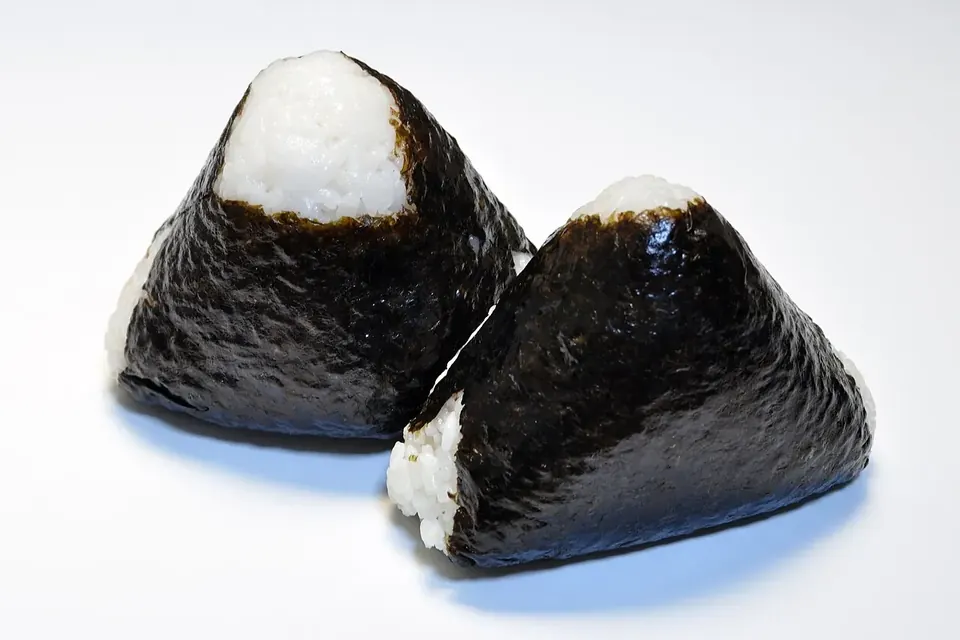
Rice balls (おにぎり onigiri) are the classic way to carry rice. With damp, lightly salted hands, take a bowl's worth of warm rice, press a hollow in the centre, add a filling such as a pickled plum (see Japanese pickles), salted salmon or tuna with mayonnaise, close it and press into a triangle with cupped hands. Wrap with a strip of nori just before eating, so it stays crisp. Eat the same day.
In Okinawa, seasoned rice takes the form of jūshī, cooked with pork and kombu; see our guide to Okinawan home cooking.
Rice in Japanese life today
Rice consumption in Japan has fallen sharply since the early 1960s, when it peaked at more than 110 kg per person per year, to roughly half of that today, as bread, noodles and meat have taken a larger place in the diet. Rice remains, however, the symbolic heart of the meal, of New Year food and of offerings at shrines, and the base of the classic breakfast of rice, miso soup and natto, and the government continues to promote it as part of the washoku diet recognized by UNESCO in 2013.
Sources
- Ministry of Agriculture, Forestry and Fisheries (MAFF), food balance sheet (shokuryō jukyūhyō), rice consumption per person, consulted October 2026.
- Ministry of Agriculture, Forestry and Fisheries (MAFF), statistics on rice varieties by planted area, consulted October 2026.
- Food Standards Scotland, food storage guidance, including cooked rice, consulted October 2026.
- UNESCO, Washoku, traditional dietary cultures of the Japanese, 2013.
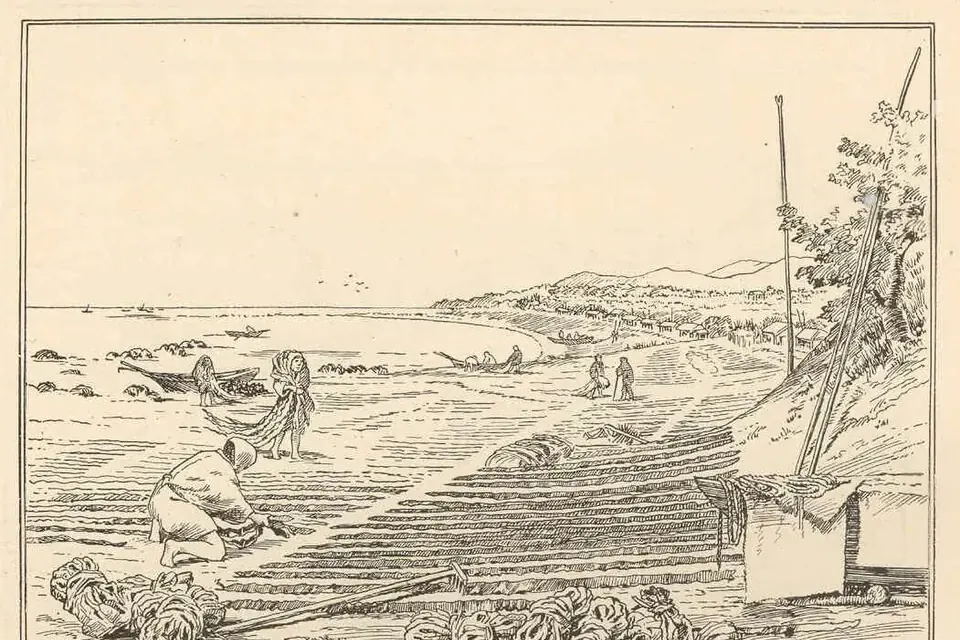 Japanese home cooking
Dashi, the stock behind Japanese cooking
Kombu, katsuobushi, shiitake and niboshi: how each dashi is made, and why umami was discovered in a pot of it.
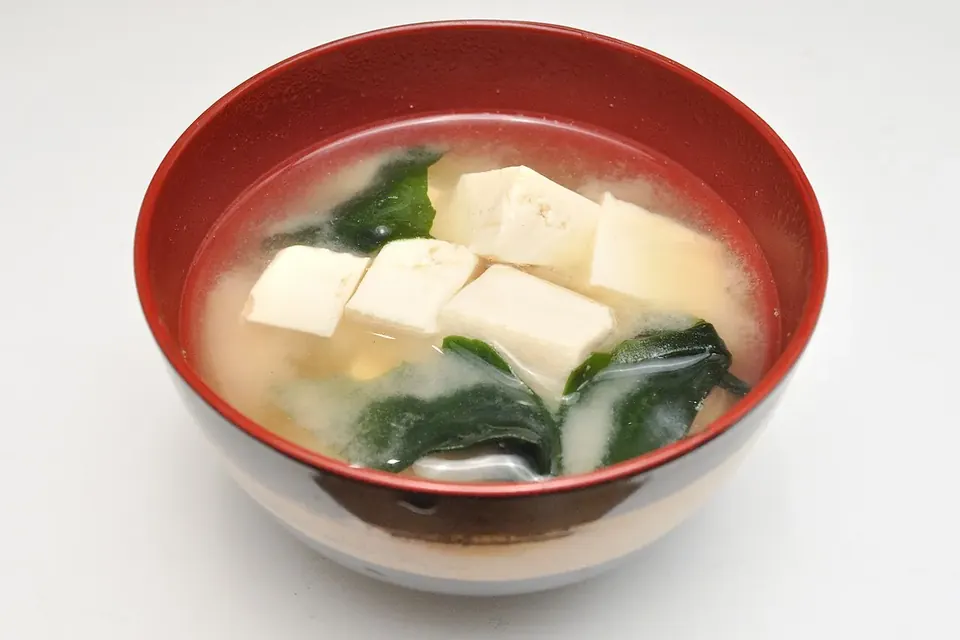 Japanese home cooking
Making miso soup and choosing miso
Rice, barley or soybean koji; white, red or mixed: how to choose a miso, and the one rule for miso soup.
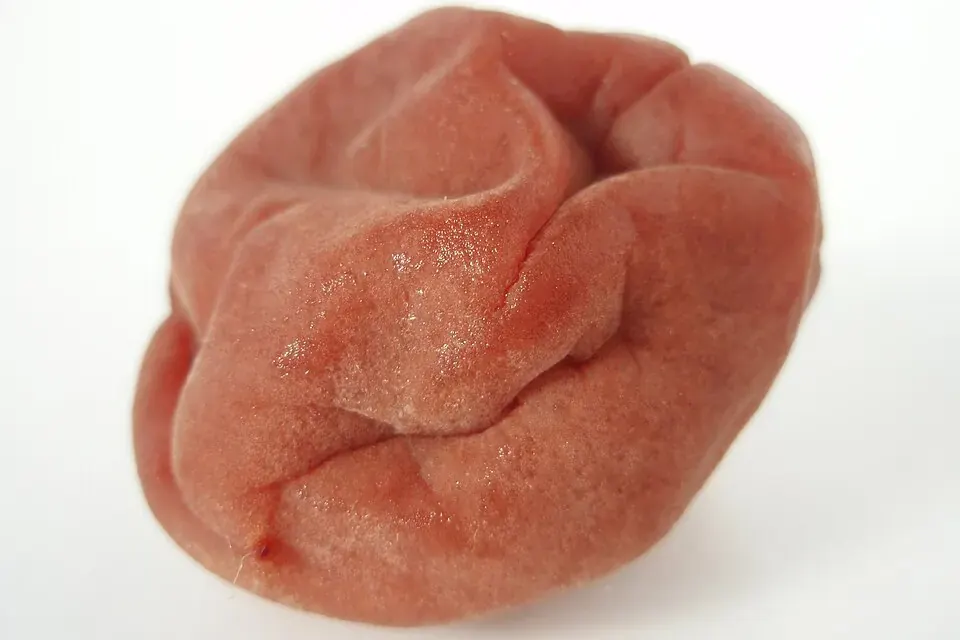 Japanese home cooking
Japanese pickles: tsukemono
Salt, rice bran, vinegar, miso and soy sauce: the main families of Japanese pickles and a quick pickle to start with.