Hanami: how the cherry blossom season works, and how to enjoy it
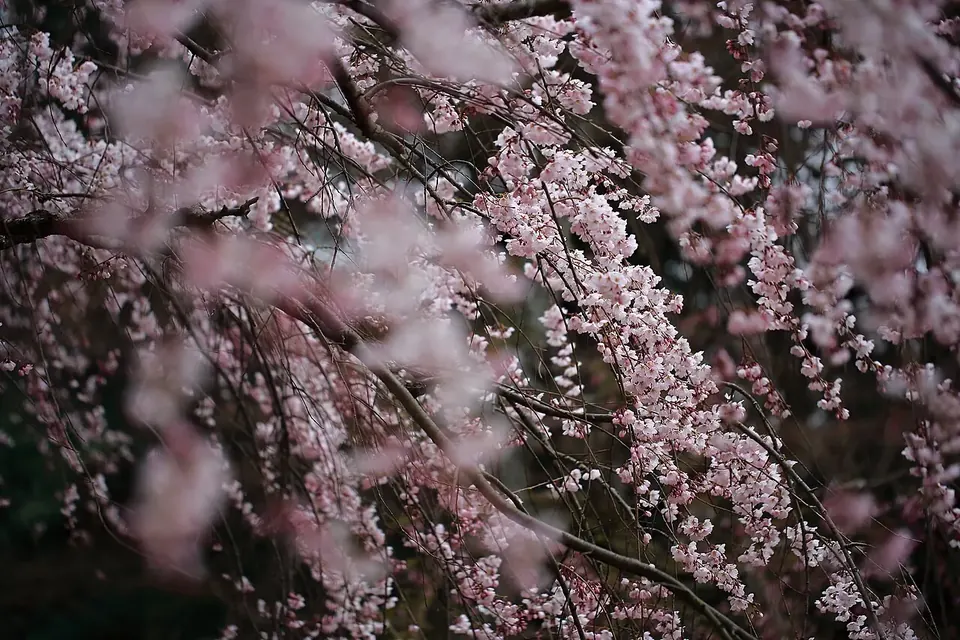
For a few weeks each spring, Japan follows the opening of cherry blossoms with the attention other countries give to sports results. Television forecasts show a "blossom front" moving up the map, office workers save spots in parks for after-work picnics, and the government's weather agency formally announces when one particular tree in Tokyo has opened. 花見 Hanami, "flower viewing", is one of the country's oldest and most widely shared seasonal customs.
- The Japan Meteorological Agency (JMA) declares blossoms open when a specimen tree has five or six flowers open, and in full bloom when about 80% of its buds have opened.
- The blossom front starts in Okinawa in January and reaches Hokkaido in late April or May; Tokyo and Kyoto usually bloom from late March to early April.
- Full bloom lasts only about a week, less with wind and rain.
- Picnic etiquette: take your rubbish home, keep noise down, don't touch or shake branches.
How the season is declared
The JMA has long recorded the flowering of cherry trees as a phenological observation, alongside things like the first song of the bush warbler. For cherries, it observes specimen trees (hyōhon-boku) at observation points across the country. In Tokyo, the specimen is a Somei-Yoshino tree in the grounds of Yasukuni Shrine; staff check it daily in spring. When five or six flowers have opened, the agency announces kaika (blooming). When about 80% of the buds are open, it announces mankai (full bloom). In 2026, Tokyo's specimen reached full bloom in late March, three days earlier than the average.
Private weather companies publish their own forecasts, which is why dates differ between sources. Specimen trees are chosen where surroundings are unlikely to change, so year-to-year records stay comparable, and these long records are used in research on climate and spring timing.
The blossom front
| Region | Typical period | Notes |
|---|---|---|
| Okinawa | January to February | Deep pink kanhizakura, not Somei-Yoshino |
| Kyushu, Shikoku | Late March | Often among the first Somei-Yoshino |
| Tokyo, Kyoto, Osaka | Late March to early April | Peak crowds; school and fiscal year begin in April |
| Tohoku | Mid to late April | Castle parks such as Hirosaki |
| Hokkaido | Late April to mid-May | Often around Golden Week |
Altitude matters as much as latitude: mountain areas bloom later than nearby cities, which lets you follow the season by moving uphill.
Somei-Yoshino and other cherries
Most of the cherries planted along rivers and in parks are Somei-Yoshino, a hybrid developed in the Edo period by gardeners in Somei village (now part of Toshima, Tokyo). It flowers before its leaves open, which gives the famous clouds of pale pink, and because the trees are propagated by grafting, neighbouring trees bloom almost simultaneously. Other cherries extend the season: early-blooming kawazu-zakura, weeping cherries (shidare-zakura) at temples, and heavy double-flowered yae-zakura that open a week or two after the Somei-Yoshino.
Planning a hanami trip
- Book early, stay flexible. The season coincides with high demand; plan a window of several days rather than a single date.
- Check forecasts from mid-February, and the JMA's announcements in the final week.
- Go early in the morning for famous spots, or choose neighbourhood parks and riversides.
- Have a plan B north or uphill if you arrive after peak.
- Don't forget other flowers: plum blossoms (ume) in February and March, wisteria and azaleas after the cherries.
Picnic etiquette
- Follow park rules. Some parks ban alcohol, barbecues, amplified music or reserving space overnight; rules are posted at entrances.
- Take rubbish home or use the temporary sorted bins provided. See our guide to rubbish sorting.
- Don't touch the trees. Don't climb, shake or break branches, or tie things to them. Stay off roots, which compacted soil damages.
- Keep noise down in the evening, and share space.
- Use toilets, which have long queues; plan accordingly.
Blossoms and the school year
Cherry blossoms coincide with new beginnings in Japan. The school year and the fiscal year begin in April, so entrance ceremonies, first days at work and transfers to new cities all happen under the blossoms in much of the country. Office teams often hold welcome parties for new staff at hanami picnics, and the image of a school gate framed by cherry trees is one of the most familiar in Japanese culture. As the climate warms, scientists using the long JMA record have noted that blossoms in many cities now open earlier than in the mid-twentieth century.
Night blossoms and seasonal food
Yozakura, night viewing, under lanterns or lights is a highlight in many parks, temples and castle grounds. The season has its own sweets and dishes: sakura mochi (pink rice cake wrapped in a salted cherry leaf), tricolour hanami dango, bento boxes, and cherry-flavoured drinks. Blossoms preserved in salt are added to hot water as a celebratory "cherry tea".
A long tradition
Flower viewing was a court pastime more than a thousand years ago, when the plum, a Chinese import, was admired first and cherries later. Picnics under the cherries spread to townspeople in the Edo period, when parks and riverbanks such as Ueno and the Sumida River were planted, scenes that woodblock artists like Hiroshige printed again and again. Today, the falling petals still stand for the beauty and brevity of life, a theme that runs through Japanese poetry. The same attention to seasonal moments returns in summer with Obon and at New Year.
Sources
- Japan Meteorological Agency (JMA), cherry blossom observation data (sakura no kaika/mankai), consulted October 2026.
- Japan Meteorological Agency, phenological observation guidelines (criteria for blooming and full bloom), consulted October 2026.
- Jiji Press via nippon.com, "Cherry Blossoms in Full Bloom in Tokyo", 28 March 2026.
 Seasons and festivals
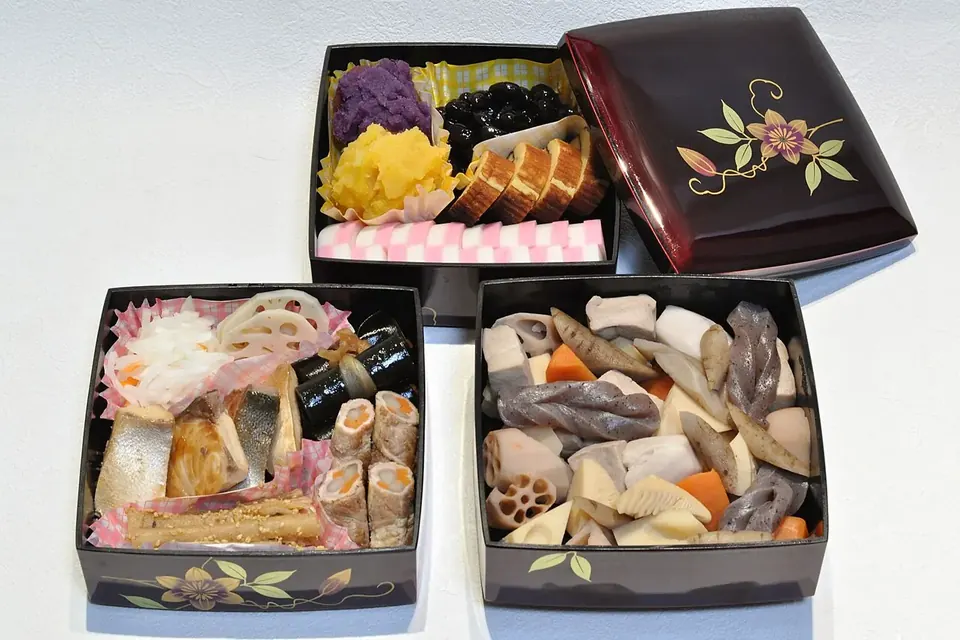
Japanese New Year: shōgatsu
Year-end cleaning, temple bells, osechi boxes, the first shrine visit and money for children: the year's biggest holiday, day by day.
 Seasons and festivals
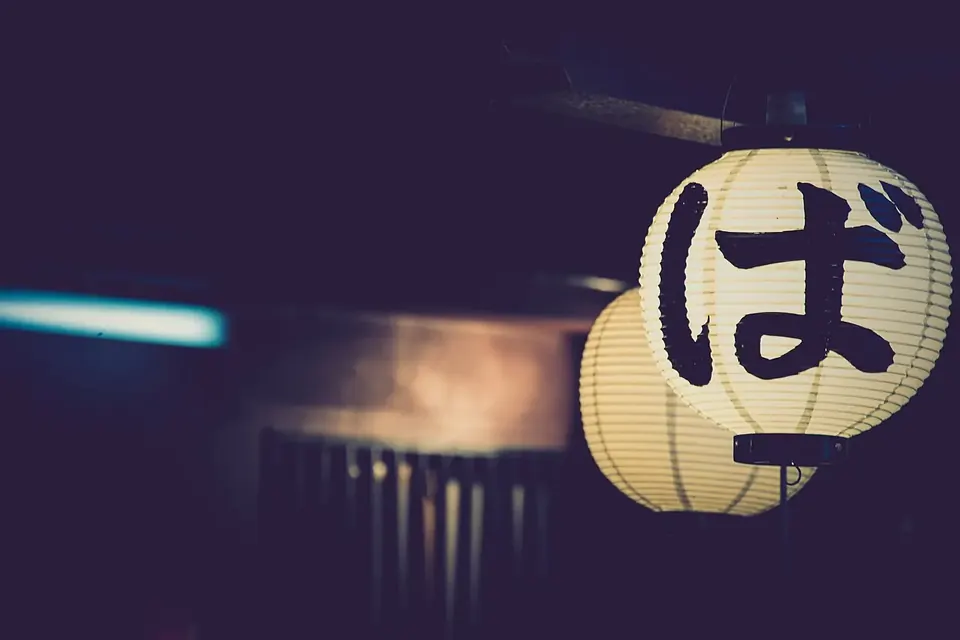
Obon, the summer festival of the ancestors
Why Tokyo holds Obon in July and most of Japan in August, and what happens over the three or four days.
 Seasons and festivals
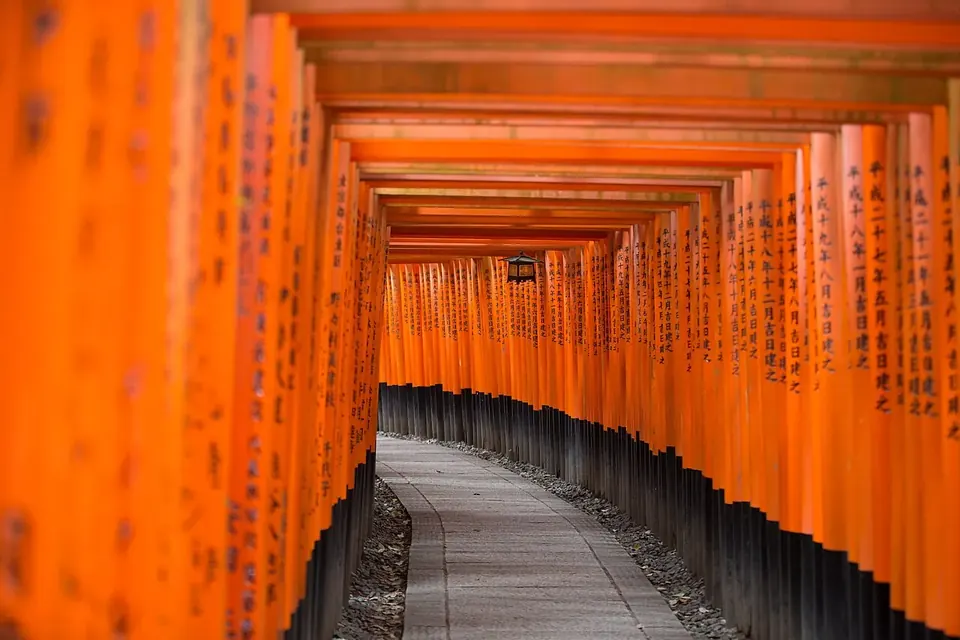
Visiting shrines and temples
Torii or temple gate, two claps or none: purification, prayer, omikuji and charms, with Tokyo's Sensō-ji as an example.