Kumejima and Okinawa's outer islands: island life, seasons and how to visit
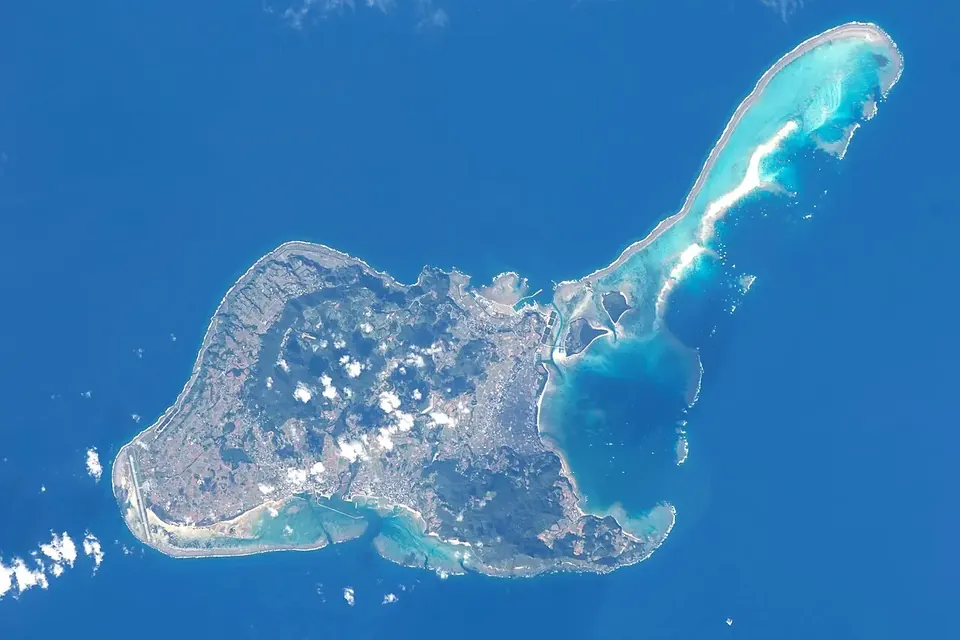
Most visitors to Japan see Tokyo, Kyoto and Osaka. Far to the south-west, Okinawa Prefecture stretches across an arc of subtropical islands with its own history, language, food and calendar. Beyond the main island, smaller "outer islands" such as Kumejima offer a slower Japan of coral reefs, sugarcane fields, village festivals and typhoon seasons. Kumejima is a good example of what these islands are like, and of how to visit them well.
- Okinawa Prefecture comprises about 160 islands, of which 47 are inhabited, according to the prefecture.
- Kumejima lies roughly 100 km west of Naha; the town had about 7,200 residents in the 2020 census.
- The island calendar differs from the mainland: cherry blossoms in January, many festivals on the lunar calendar, and a typhoon season from summer to autumn.
- Getting there: about half an hour by plane from Naha, or a few hours by ferry.
Okinawa's islands
Okinawa was the centre of the Ryukyu Kingdom, which traded across East and Southeast Asia for centuries before the islands were incorporated into Japan as Okinawa Prefecture in 1879. The prefecture is spread over a vast area of ocean: the main island of Okinawa, the Kerama and Kume island groups to the west, and the Miyako and Yaeyama groups far to the south-west, closer to Taiwan than to Tokyo. Each island group has its own dialects and customs, as well as the shared Ryukyuan culture of music, dance and food described in our guide to Okinawan home cooking.
Kumejima at a glance
Kumejima is a volcanic island of about 60 km², ringed by coral reef. Its main town area, Kumejima-chō, also includes small islets, only one of which besides Kume itself is inhabited. The population has declined over recent decades, a pattern shared by many small islands in Japan. Sugarcane, livestock, fishing and the farming of kuruma prawns are important industries, alongside tourism.
- The sandbar: east of the island, a long, uninhabited strip of white sand known as Hatenohama stretches across the reef, several kilometres long and reached only by boat tours. It is visible from space in the photograph above.
- Kumejima tsumugi: a hand-woven silk pongee with a long history on the island, dyed with local plants and mud. In 2004 the techniques of making it were designated an Important Intangible Cultural Property of Japan.
- Nature: Kumejima is home to rare species such as the Kumejima firefly and the Ryukyu hawk-owl, and its waters to sea turtles and reef fish.
The island year
| Season | What happens |
|---|---|
| January to February | Deep-pink kanhizakura cherry blossoms, the first in Japan; cool, windy days |
| March to May | Warm weather, sea opening ceremonies (umibiraki); the rainy season usually starts in May, earlier than on the mainland |
| June to September | Hot, humid summer; goya season; sea sports; island festivals and folk song contests |
| July to October | Typhoon season; flights and ferries are often cancelled |
| Lunar calendar dates | Obon and many village rites move each year with the lunar calendar |
Obon is a major family event in Okinawa, celebrated on the lunar calendar with eisā drum dances through the villages; our guide to Obon explains the festival across Japan. The early cherry blossoms are the first stop on the national "blossom front" described in our guide to hanami.
Typhoons
Okinawa lies on the main track of Pacific typhoons. When one approaches, the Japan Meteorological Agency issues warnings, schools and businesses close, flights and ferries stop, and residents tie down or bring in anything loose. Houses on the islands are traditionally low, with heavy tile roofs, stone walls (ishigaki) and windbreak trees around them, and modern homes are built in concrete for the same reason. If you travel between July and October, keep plans flexible and follow the JMA's forecasts.
Getting there and around
- By air: scheduled flights connect Naha with Kumejima Airport in about half an hour; there are also seasonal direct flights from Tokyo in some years.
- By sea: ferries run from Naha's ports to Kumejima in a few hours, often stopping at smaller islands; schedules depend on the season and weather.
- On the island: buses are infrequent; most visitors rent a car, scooter or bicycle.
- Book ahead in summer and around holidays, when island accommodation is limited.
Visiting small communities well
- Respect sacred places. Okinawan villages have utaki, sacred groves and sites, some of which outsiders must not enter. Follow signs and local advice.
- Protect the reef. Don't stand on coral, take shells or sand, or feed fish; use reef-friendly practices and follow guides at the sandbar.
- Swim where it's safe. Watch for currents and box jellyfish in summer; many beaches have nets and warning flags.
- Shop locally and carry cash; small islands have few cash machines.
- Take rubbish back: waste disposal is expensive on small islands.
Island food and drink
Kumejima's food follows Okinawan traditions with local accents: kuruma prawns raised in the island's farms, mozuku seaweed from the reef, island tofu, goya and other summer vegetables, and pork dishes for celebrations. The island also distils its own awamori, the Okinawan rice spirit aged in clay pots. Many small restaurants close on irregular days, and village shops are the social centre of their neighbourhoods. Festivals usually include stalls of local food, drumming and dancing, and visitors who come respectfully are generally welcomed.
The islands have long drawn photographers; our note on Coralway and the Kengo Tarumi prize covers island photography and how to do it respectfully.
Why the islands matter
Small islands like Kumejima face rural depopulation, ageing, the cost of everything shipped from the main islands, and storms that grow fiercer in a warming climate. They also keep traditions, dialects and crafts that have disappeared elsewhere. For visitors, they show a side of Japan that is less about efficiency and more about community, the sea and the seasons.
Sources
- Okinawa Prefecture, "About Okinawa" (PDF: 160 islands, 47 inhabited), consulted October 2026.
- Kumejima Town, official website, consulted October 2026.
- Statistics Bureau of Japan, 2020 Population Census, Kumejima Town.
- Agency for Cultural Affairs, Important Intangible Cultural Properties: Kumejima tsumugi (designated 2004).
- Japan Meteorological Agency, typhoon information and Okinawa regional forecasts, consulted October 2026.
 Japanese home cooking
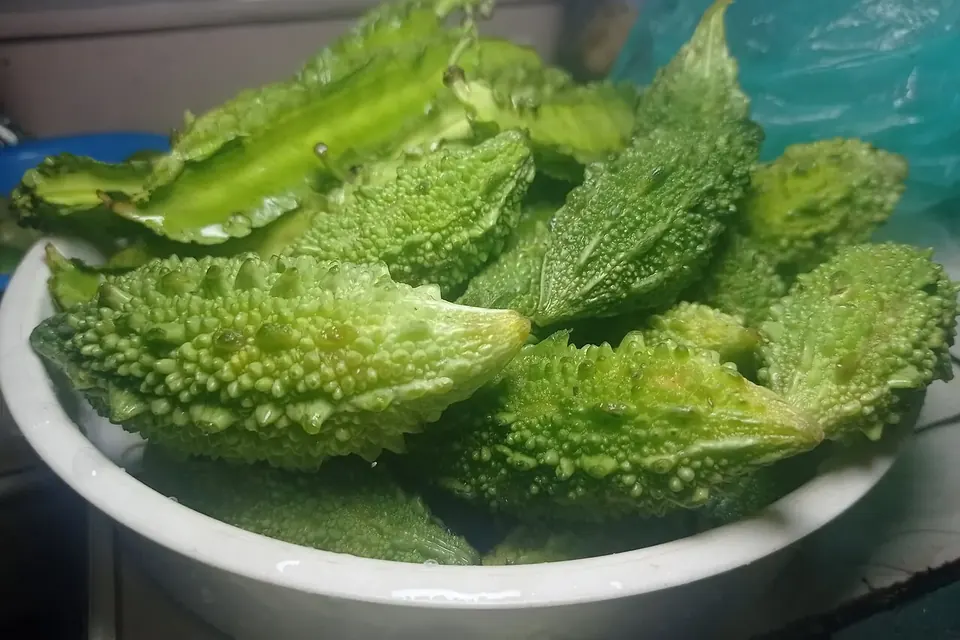
Okinawan home cooking and goya chanpuru
Bitter melon, island tofu, pork and wheat gluten: how Okinawa's stir-fries work, with a goya chanpuru method.
 Seasons and festivals
Obon, the summer festival of the ancestors
Why Tokyo holds Obon in July and most of Japan in August, and what happens over the three or four days.
 Seasons and festivals
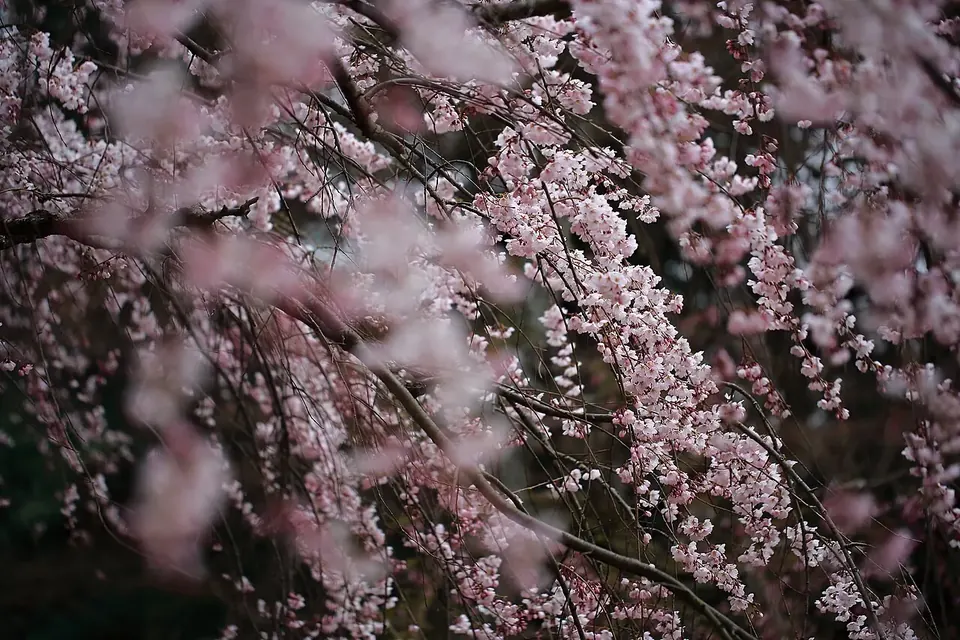
Hanami and the cherry blossom season
How the Japan Meteorological Agency declares the blossoms open, why it starts in Okinawa, and picnic etiquette under the trees.