Soy sauce types: koikuchi, usukuchi, tamari, saishikomi and shiro, and when to use each
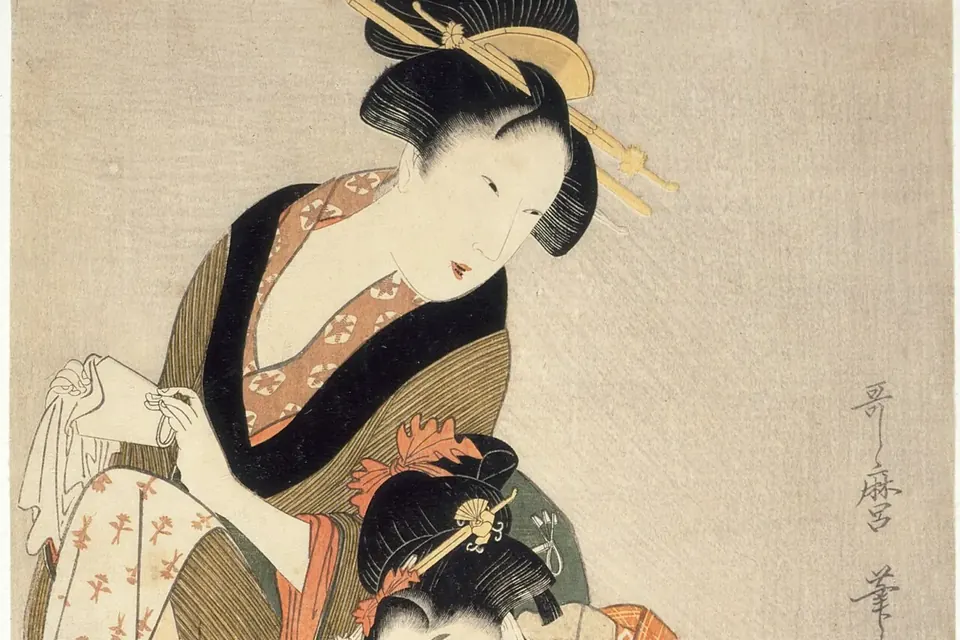
Japanese soy sauce, 醤油 shōyu, is not one product but a family. Under Japan's agricultural standards there are five official types, from the all-purpose dark sauce on every table to pale amber sauces used to season clear soups without colouring them. Most households use only one or two, but knowing the others explains why Kansai broths are paler than Tokyo's, and why "light" soy sauce is actually saltier.
- Japanese soy sauce is brewed from soybeans, wheat, salt and koji mould, fermented for months.
- Koikuchi (dark, all-purpose) is about 80% of Japan's production; usukuchi (light-coloured) is about 10%.
- Usukuchi is lighter in colour but saltier than koikuchi, by about 10%.
- Most soy sauce contains wheat; tamari types often contain little or none, but check the label if you avoid gluten.
How soy sauce is brewed
Steamed soybeans and roasted, crushed wheat are mixed and inoculated with koji mould (Aspergillus). After a few days the koji is mixed with salt water to form a mash called moromi. Over several months, enzymes break down proteins and starches while yeasts and lactic acid bacteria ferment the mash, building aroma, acidity and colour. The mash is then pressed, and the liquid is pasteurized, which fixes the colour and aroma. Traditionally brewed soy sauce made this way is labelled honjōzō (本醸造), the main brewing method in Japan.
The five types
| Type | Colour and taste | Typical uses |
|---|---|---|
| Koikuchi (濃口) | Dark reddish brown; balanced umami, sweetness, acidity and aroma | Everything: cooking, dipping, table use |
| Usukuchi (淡口) | Light colour, lighter aroma, saltier | Clear soups, simmered vegetables, Kansai-style noodle broths |
| Tamari (たまり) | Thick, dark, rich umami, little wheat | Sashimi, sushi, glazes, rice crackers |
| Saishikomi (再仕込み) | Very dark and dense; made by brewing koji in soy sauce instead of brine | Table sauce for sashimi and chilled tofu |
| Shiro (白) | Pale amber; mild, sweet, made mostly with wheat | Clear soups, chawanmushi, pickles |
Koikuchi: the everyday sauce
Developed in the Kanto region around Edo, koikuchi is the default soy sauce in Japan and abroad. If a recipe just says "soy sauce", this is the one to use.
Usukuchi: pale but salty
Usukuchi originated in the Kansai region, around Tatsuno in Hyogo Prefecture. Its colour is kept light mainly by using more salt, which slows fermentation and browning. Kyoto and Osaka cooking value the natural colours of ingredients, which is why noodle broths and simmered dishes there are paler than in Tokyo. Use less of it than you would koikuchi.
Tamari: the old style
Brewed mainly in the Chubu region (Aichi, Gifu, Mie), tamari is made with mostly soybeans and long fermentation, close to the liquid that collects from mame miso. It is rich and thick. Because it uses little or no wheat, it is popular with people avoiding gluten, but some tamari does contain wheat.
Saishikomi and shiro
Saishikomi, associated with Yamaguchi and western Japan, is "brewed twice": the koji is mixed with soy sauce instead of salt water, giving a very intense sauce. Shiro, from the Hekinan area of Aichi, is the opposite: made largely from wheat, pale and sweet, used where colour must stay almost clear.
Reading the label
- Type: one of the five names above.
- Brewing method: honjōzō (traditionally brewed) is the standard; other methods blend brewed sauce with hydrolysed vegetable protein for speed and cost.
- Grade: under the Japanese Agricultural Standards, sauces may be graded tokkyū (special), jōkyū (superior) or hyōjun (standard) according to criteria such as colour and nitrogen content (an index of umami).
- Reduced salt: genen (減塩) soy sauces have about half the salt of regular sauce; usujio (うす塩) types have less of a reduction.
- Allergens: soy and wheat are both major allergens; check for "wheat" on any type if you have coeliac disease.
Japanese and Chinese soy sauces
Chinese "light soy sauce" (shēngchōu) and "dark soy sauce" (lǎochōu) don't map neatly onto Japanese types. Chinese light soy is the everyday seasoning, roughly comparable in use to koikuchi but often saltier and made with less wheat; Chinese dark soy is thicker, often contains caramel or molasses, and is used mainly for colour. In Japanese recipes, koikuchi is the safest substitute for "soy sauce", and usukuchi should not be replaced by Chinese light soy without tasting.
Using soy sauce well
- Dip lightly. For nigiri sushi, dip the fish side, not the rice, which falls apart and soaks up too much.
- Balance with mirin and dashi. Many Japanese seasonings are built on soy sauce, mirin and dashi in different ratios: noodle broth, teriyaki glaze, simmering liquid. See our guide to dashi.
- Add at the end when you want aroma; add early when you want colour and depth.
- Pair with rice dishes: a few drops season takikomi gohan, covered in our guide to cooking Japanese rice.
A short history
Fermented seasonings came to Japan from the Asian mainland, and the liquid that collected from miso vats is often described as an ancestor of tamari. Soy sauce in something like its modern form developed in the Kansai region, around Yuasa in Wakayama, in the late medieval period, and production spread to towns with good water, grain and shipping routes. In the Edo period, breweries in Noda and Chōshi, near Edo, made koikuchi on a large scale for the growing city, which is one reason the dark style became the national standard.
Storage
Once opened, soy sauce oxidizes: it darkens and loses aroma within weeks at room temperature. Keep it closed and in the fridge, or buy small bottles. Many Japanese brands now sell sauces in double-walled "fresh-keeping" bottles that let sauce out but no air in.
Sources
- Japan Soy Sauce Brewers' Association, Types of soy sauce and how to use them, consulted October 2026.
- Ministry of Agriculture, Forestry and Fisheries (MAFF), Japanese Agricultural Standards (JAS) for soy sauce, consulted October 2026.
- Kikkoman Institute for International Food Culture, "Food Culture" journal articles on the history of soy sauce, consulted October 2026.
 Japanese home cooking
Dashi, the stock behind Japanese cooking
Kombu, katsuobushi, shiitake and niboshi: how each dashi is made, and why umami was discovered in a pot of it.
 Japanese home cooking
Making miso soup and choosing miso
Rice, barley or soybean koji; white, red or mixed: how to choose a miso, and the one rule for miso soup.
 Japanese home cooking
Rice in Japan, and how to cook it
Short-grain rice, washed and soaked, cooked by absorption and rested: the method, the ratios and the onigiri that follow.