Japanese pickles (tsukemono): umeboshi, nukazuke, takuan and quick pickles at home
A Japanese meal is not complete without a few slices of pickle beside the rice. 漬物 Tsukemono ("soaked things") cleanse the palate, add crunch and colour, and preserve seasonal vegetables. There are pickles of every texture and strength, from lightly salted cucumber made an hour before dinner to plums cured for years. Several are easy to make at home with ingredients from an ordinary kitchen.
- Japanese pickles are classified by their medium: salt, rice bran, vinegar, miso, soy sauce, sake lees or koji.
- Classics include umeboshi (salted ume), nukazuke (rice-bran pickles), takuan (yellow daikon) and gari (pickled ginger).
- Quick pickles (asazuke) need only salt and an hour or two.
- Many traditional pickles are very salty; eat them as a small accompaniment, as intended.
The main methods
| Medium | Japanese name | Examples | Character |
|---|---|---|---|
| Salt | Shiozuke (塩漬け) | Umeboshi, salted cabbage, quick cucumber | From light and fresh to intensely salty |
| Rice bran | Nukazuke (糠漬け) | Cucumber, aubergine, carrot, daikon | Tangy, savoury, lactic fermentation |
| Vinegar | Suzuke (酢漬け) | Gari, rakkyō (pickled shallots) | Sweet-sour, crisp |
| Miso | Misozuke (味噌漬け) | Burdock, daikon, garlic | Deep, savoury |
| Soy sauce | Shōyuzuke (醤油漬け) | Fukujinzuke (served with curry) | Sweet-salty, dark |
| Sake lees | Kasuzuke (粕漬け) | Narazuke (gourd or melon) | Rich, fragrant, slightly alcoholic |
| Koji | Kōjizuke (麹漬け) | Bettarazuke (Tokyo daikon) | Sweet, soft |
Classics to know
Umeboshi
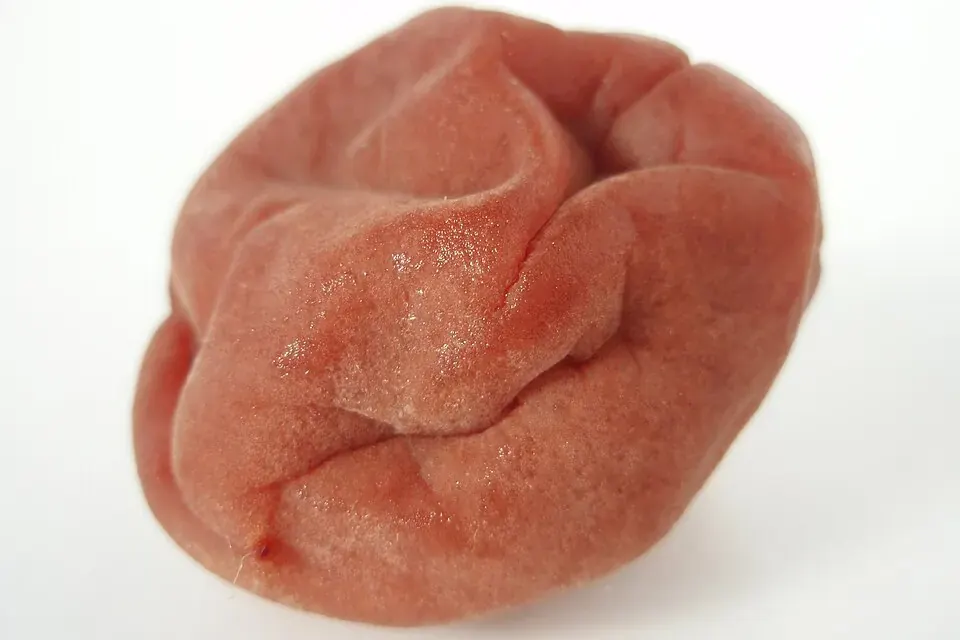
Ume, a fruit related to the apricot, are salted for several weeks, dried in the summer sun for a few days, and often coloured red with red shiso leaves. Traditional umeboshi are extremely sour and salty; many modern versions are lower in salt and sweetened with honey, which makes them milder but less durable. A single umeboshi in the centre of a box lunch of white rice resembles the Japanese flag, hence the name hinomaru bentō. It is also the classic onigiri filling (see our guide to cooking Japanese rice).
Nukazuke
Vegetables are buried for hours or days in nukadoko, a fermenting bed of rice bran, salt and water. Lactic acid bacteria and yeasts give the vegetables a tangy, complex flavour. A well-kept bed can last for decades, and households traditionally stir it by hand every day.
Takuan
Daikon radish is dried until flexible, then pickled in rice bran and salt, traditionally for months. Commercial takuan is usually bright yellow, often from added colouring. Sliced takuan is a standard side and a filling for rolled sushi.
Gari and beni shōga
Gari is thinly sliced young ginger in sweet vinegar, served with sushi to refresh the palate between pieces. Beni shōga is ginger pickled in plum vinegar, bright red, served with gyūdon, yakisoba and okonomiyaki.
Regional specialities
Kyoto is famous for pickles such as shibazuke (aubergine and cucumber with red shiso) and senmaizuke (thin slices of turnip with kombu). Akita has iburi-gakko, smoked daikon pickled in rice bran; Nara has narazuke in sake lees.
A quick pickle to start
Asazuke ("shallow pickles") take minutes to prepare:
- Cut 2 Japanese cucumbers (or 1 regular cucumber, seeds removed) into chunks, or slice 200 g of cabbage.
- Sprinkle with about 1.5% of the vegetables' weight in salt (3 g for 200 g) and rub it in.
- Add flavour: a small square of kombu, a pinch of chilli flakes, a few slices of ginger or a little yuzu peel.
- Press: put everything in a zip bag, squeeze out the air and leave in the fridge for 1 to 3 hours.
- Squeeze out excess liquid and serve. Eat within two days.
Keeping a rice-bran bed
If you want to try nukazuke, kits of seasoned bran are sold in Japanese supermarkets. Keep the bed in a lidded container, mix it thoroughly from the bottom once a day (twice in hot weather) to keep air-loving and air-hating microbes in balance, add salt and bran as it gets wet, and wipe the container's sides. In summer, a cool place or the fridge slows fermentation. A white film of yeast on the surface is normal; mixing it in is the usual practice, but coloured mould means it is time to discard that layer or start again.
Pickles at the table
Pickles accompany rice and miso soup in the basic home meal, the ichijū sansai pattern of one soup and a few sides. They appear at breakfast, in box lunches and at the end of formal meals, when rice, miso soup and pickles are served together. Our guide to miso covers the soup that goes with them.
Pickles in the shop
Japanese supermarkets have whole aisles of tsukemono, and department-store food halls sell regional specialities by weight. Check the label for the salt content and for additives: many mass-produced pickles use seasoning liquids, sweeteners and colourings to shorten production, while traditionally fermented products list only vegetables, salt, bran or other media. Opened pickles keep best in the fridge in their liquid.
Salt and safety
- Salt: traditional pickles can be very salty. Japan's health ministry sets salt intake targets well below what heavy pickle eating provides, so a few slices per meal is the norm.
- Hygiene: wash vegetables, use clean containers and hands, and keep quick pickles in the fridge. Lightly salted pickles are not shelf-stable.
- Rules for sellers: since the revised Food Sanitation Act took effect in June 2021, businesses that make pickles for sale in Japan need a permit and hygienic facilities; the transition period for existing producers ended in May 2024. Homemade pickles for your own table are not affected, but the same hygiene logic applies.
Sources
- Ministry of Agriculture, Forestry and Fisheries (MAFF), "Our Regional Cuisines" (Uchi no kyōdo ryōri) database entries on regional pickles, consulted October 2026.
- Ministry of Health, Labour and Welfare (MHLW), Dietary Reference Intakes for Japanese (2020), salt targets.
- City of Kobe, guide to the 2021 revision of the Food Sanitation Act (new permit category for pickle makers), consulted October 2026.
 Japanese home cooking
Rice in Japan, and how to cook it
Short-grain rice, washed and soaked, cooked by absorption and rested: the method, the ratios and the onigiri that follow.
 Japanese home cooking
Making miso soup and choosing miso
Rice, barley or soybean koji; white, red or mixed: how to choose a miso, and the one rule for miso soup.
 Japanese home cooking
Dashi, the stock behind Japanese cooking
Kombu, katsuobushi, shiitake and niboshi: how each dashi is made, and why umami was discovered in a pot of it.