The kotatsu: Japan's heated table, and how Japanese homes keep warm in winter
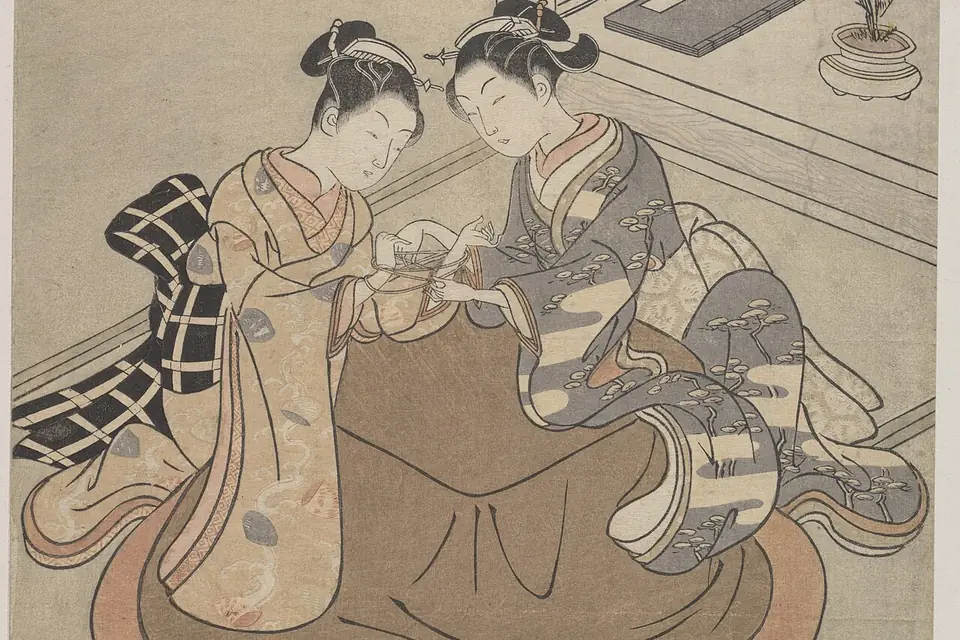
In November, a small change happens in many Japanese living rooms. The low table that stood bare all summer gets a thick quilt draped over it, the tabletop goes back on, and the heater fixed underneath is switched on for the first time. From then until spring, the kotatsu is where the family eats, watches television, does homework and, against all advice, dozes off. It is one of the most loved objects in Japanese home life, and it says a great deal about how Japanese houses deal with the cold.
- What: a low table with a heat source underneath and a quilt between the frame and the tabletop, trapping warm air around the legs.
- Two kinds: the movable oki-gotatsu, standing on the floor, and the hori-gotatsu, set over a pit in the floor so that you sit with your legs down.
- Heat: once a charcoal brazier, now almost always an electric heater built into the frame.
- The idea: warm the people, not the whole room, in houses that were never built to hold heat.
How a kotatsu is put together
A modern kotatsu comes in layers, and each one has a name. On the floor goes a thin rug or mattress, the kotatsu-shiki, which keeps the cold of the floor away and protects the tatami. On it stands the table frame, with the heater unit fixed to the underside of the top rails. Over the frame goes the quilt, the kotatsu-gake or kotatsu-buton, large enough to fall to the floor on all four sides; some households add a thinner blanket under it. Finally the loose tabletop is laid on top, holding the quilt in place and giving a hard, flat surface for meals.
You sit on the floor, on a cushion or a legless floor chair, and slide your legs under the quilt. The heat stays in the small tent formed by the quilt, so the heater can be modest: most units have a dial with a few settings and a thermostat. In summer the quilt is put away and the kotatsu becomes an ordinary low table, which is one reason it suits the flexible rooms described in our guide to tatami rooms.
From the hearth to the plug
The kotatsu grew out of the irori, the sunken hearth around which rural families cooked and warmed themselves. Accounts of its history usually place its beginnings in the Muromachi period (1336 to 1573), when a wooden frame covered with a quilt was set over the embers so that people could warm their legs. This is the ancestor of the hori-gotatsu, the sunken kind.
The movable kotatsu came later, as tatami spread to more homes. Instead of sitting over the hearth, the embers were put in an earthenware pot that could be placed under a frame anywhere in the room. Woodblock prints of the Edo period, like the one by Suzuki Harunobu at the top of this page, show women reading, playing games or chatting with their knees under a kotatsu quilt, and the image of the kotatsu as the warm, sociable heart of the winter house dates from this time.
In the twentieth century, electricity replaced charcoal. An electric heater fixed to the frame was cleaner, needed no tending and removed much of the risk of fire and fumes, and the kotatsu became an ordinary piece of furniture that could be bought in any appliance shop. Many restaurants and inns still have hori-gotatsu seating, but the pit now usually hides an electric heater, or simply leg room for guests who find kneeling uncomfortable.
Heating people, not rooms
To understand why the kotatsu matters, it helps to know how Japanese houses were built. As our guide to Japanese houses explains, the traditional house was designed above all for hot, humid summers: raised floors, sliding paper screens, wide openings and plenty of air. Such a house is pleasant in August and draughty in January, and it does not hold heat.
The traditional answer was not to heat the whole house but to warm the people in it, close to the body: a brazier (hibachi) to warm the hands, a kotatsu for the legs, padded clothes and hot baths. Modern homes are much better built than old ones, and newer apartments are often well insulated, but central heating remains unusual. Most households still heat one room at a time, and the habit of gathering in a single warm room in winter has survived.
The rest of the winter kit
The kotatsu rarely works alone. A typical home combines several of the following, depending on the region, the house and the budget:
- The air conditioner. Most wall units in Japan are heat pumps that heat as well as cool, and they are now the main heating in many apartments.
- Kerosene heaters. Fan heaters and stoves burning kerosene (tōyu) are common, especially in colder regions and older houses. They give strong heat quickly, but need the room to be aired regularly.
- Electric carpets and blankets. A heated mat under the rug or an electric blanket on the futon warms where you sit or sleep.
- The hot-water bottle. The yutanpo, filled with hot water and slipped into the futon before bed, is old-fashioned and still widely sold.
- Disposable warmers. Small kairo packets that heat up when opened are carried in pockets or stuck inside clothing on cold days.
- Padded clothes. The quilted hanten jacket, worn over everything indoors, is the kotatsu's natural companion.
This approach fits small homes well: nothing needs to be installed, and almost everything can be put away in spring, in the spirit of our guide to living small the Japanese way.
Life under the quilt
The kotatsu has its own small culture. A bowl of mandarins (mikan) on the tabletop is the classic winter still life. Cats find their way under the quilt and stay there. Families who have a kotatsu often spend much of the evening around it, and many people will admit that once they are under the quilt it is very hard to get out again, to answer the door, fetch something from the kitchen or go to bed.
Using a kotatsu safely
- Don't sleep in it overnight. Napping under a kotatsu is a national habit, but sleeping there all night is a bad idea: the body is heated unevenly, you may wake up thirsty and dehydrated, and long contact with a warm surface can cause low-temperature burns that are not felt at the time.
- Keep things away from the heater. Clothes, newspapers or a quilt pushed against the heating element are a fire risk. Most units have a protective grille; do not remove it.
- Check the cable. The cord runs under the quilt and gets stepped on and pinched by the table legs. Replace a damaged cord, and switch the kotatsu off and unplug it when you go out or go to bed.
- Watch children, older people and pets. Small children can crawl under the quilt; older people may not notice that a leg is getting too hot. Turning the heat down a notch and keeping the quilt slightly open helps.
- Mind the cold rooms. Moving from a warm living room to a freezing corridor or bathroom is a real health concern in Japanese winters, especially for older people. Our guide to the Japanese bath covers the bathroom side of the question.
Trying one
Visitors can sit at a kotatsu without buying one: some traditional inns put one in guest rooms in winter, and restaurants with hori-gotatsu seating let you sit Japanese-style with your legs comfortably down. Kotatsu are also sold outside Japan, and the same principle works anywhere with cold floors and a household willing to gather around one table. The etiquette is simple: shoes off, legs under, and do not hog the quilt.
Sources
- Wikipedia, "Kotatsu" (history from the irori, hori-gotatsu and oki-gotatsu, the move from charcoal to electricity, blankets and use), consulted November 2026.
- The Metropolitan Museum of Art, Suzuki Harunobu, "Two Young Women Seated by a Kotatsu Playing Cat's Cradle", about 1765, consulted November 2026.
- The safety points follow the general advice given by Japanese appliance makers and public safety bodies on electric heating equipment; check the instructions that come with your own unit.
 Homes and small spaces
Tatami mats and room sizes
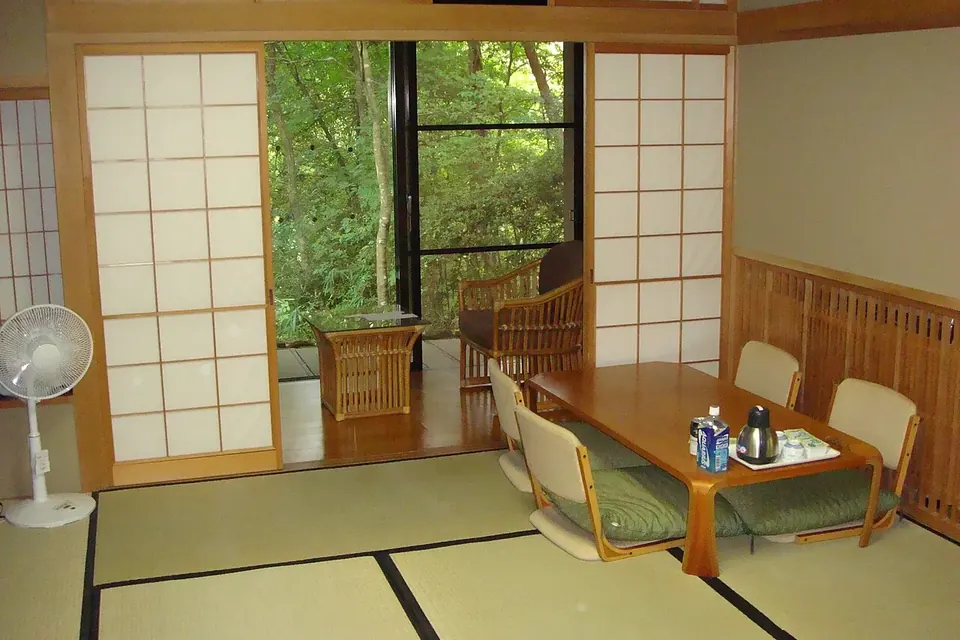
Kyoma, Edoma and danchi-ma: why a six-mat room isn't one size, and how to care for a tatami floor.
 Homes and small spaces
Japanese houses, old and new
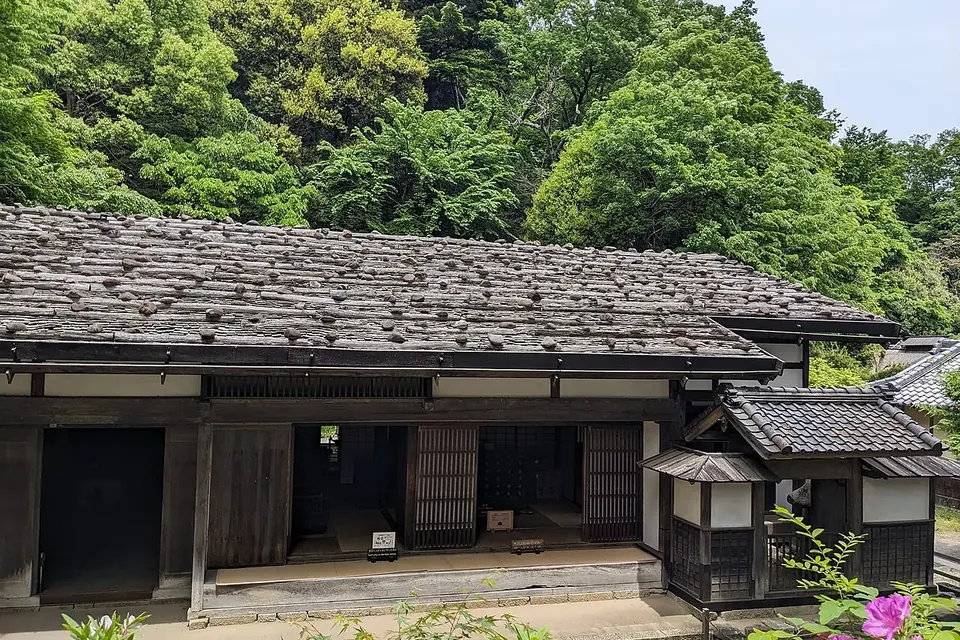
From the engawa and tokonoma to the unit bath and LDK: a room-by-room guide to the Japanese home.
 Homes and small spaces
Living small the Japanese way
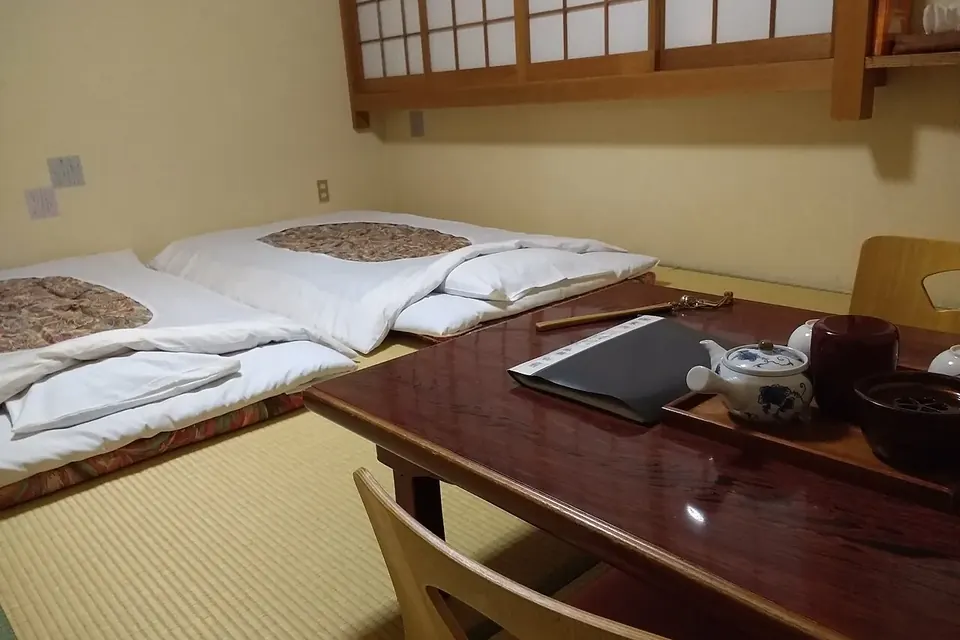
Rooms that change use, storage in the walls, sliding doors and a real entrance: lessons from Japanese homes for any small flat.