Visiting shrines and temples in Japan: how to tell them apart, and how to pay your respects
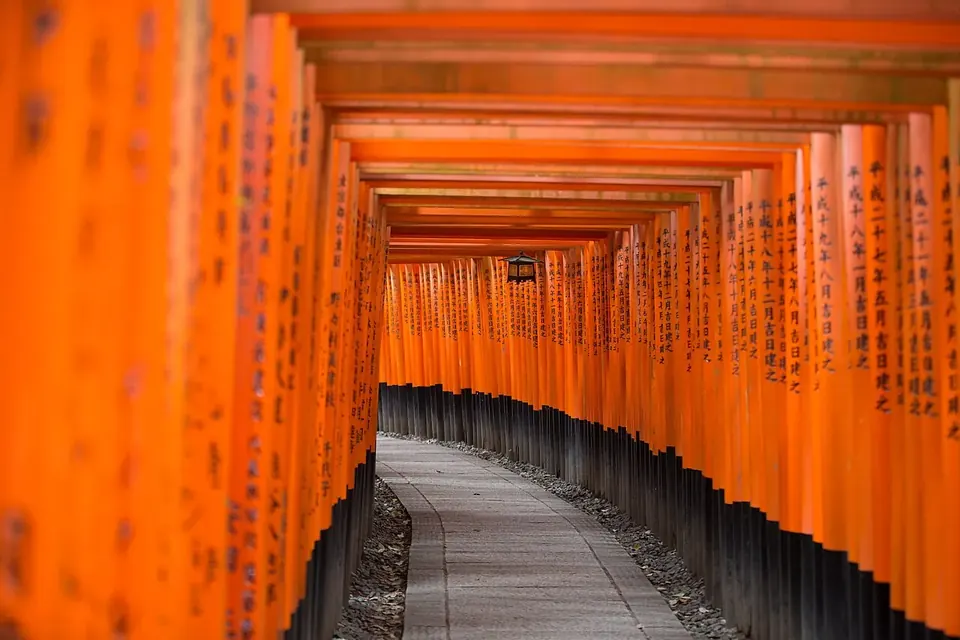
Japan has tens of thousands of shrines and temples, from vast complexes to a single altar between office buildings. For most Japanese people they are not exclusive alternatives: the same family may celebrate a baby's first visit at a Shinto shrine, marry in a hotel chapel and hold funerals with Buddhist rites. Visitors are welcome at almost all of them. A few simple gestures, done with care, are all that is expected.
- Shrines (jinja) are Shinto and have torii gates; temples (tera) are Buddhist and have gates with guardian figures, incense and often a pagoda.
- Purify your hands and mouth at the water basin before praying.
- At most shrines: two bows, two claps, one bow. At temples: hands together, no clapping.
- Follow signs about photography, and take off shoes where floors are raised.
Shrine or temple?
| Feature | Shinto shrine (jinja, 神社) | Buddhist temple (tera, 寺) |
|---|---|---|
| Name endings | -jinja, -jingū, -taisha, -gū | -ji, -tera / -dera, -in |
| Entrance | Torii gate, often vermilion or plain wood | Roofed gate (sanmon), sometimes with guardian kings |
| Who is venerated | Kami: deities of nature, places, ancestors | Buddhas and bodhisattvas |
| Guardians | Komainu (lion-dog pair), or foxes at Inari shrines | Niō guardian statues |
| Typical features | Sacred straw rope (shimenawa), white paper streamers | Incense burner, pagoda, cemetery |
| Prayer | Bows and claps | Hands pressed together, no claps |
The two often stand side by side, and before the Meiji period's separation of Shinto and Buddhism in the 1860s and 1870s, many sites combined both.
Purification at the water basin
Near the entrance stands a water basin with ladles, the temizuya (or chōzuya). The usual sequence:
- Take the ladle in your right hand, fill it, and pour water over your left hand.
- Switch hands and rinse your right hand.
- Pour a little water into your cupped left hand and rinse your mouth, then spit discreetly beside the basin, not into it. Never drink from the ladle.
- Rinse your left hand again, then tilt the ladle upright so the remaining water runs down the handle, and put it back.
Since 2020, some places have removed ladles or switched to running water; just rinse your hands.
Praying at a shrine
- Bow lightly before passing under the torii, and walk to the side of the path; the centre is said to be for the kami.
- At the hall of worship, toss a coin into the offering box. Any amount is fine; 5-yen coins are popular because go-en sounds like the word for a good connection.
- Ring the bell if there is a rope.
- Bow twice deeply, clap twice, pray silently, then bow once more. This "two bows, two claps, one bow" form is the standard etiquette described by the Association of Shinto Shrines; a few shrines, such as Izumo Taisha, use four claps.
Praying at a temple
At a temple, you may waft incense smoke from the large burner over yourself, traditionally towards any part of the body you want healed. At the main hall, offer a coin, put your hands together, bow and pray quietly. Don't clap. If there is a large bell in a belfry, it is usually rung only by monks or at set times, such as New Year's Eve.
Omikuji, charms and stamps
- Omikuji are paper fortunes drawn for a small offering, ranked from great blessing (daikichi) to curse (kyō). Bad fortunes are tied to a rack or tree at the site to leave the bad luck behind; good ones are often kept.
- Omamori are protective charms for health, study, traffic safety, childbirth and more. They are usually renewed each year, and old ones are returned to be burned.
- Ema are wooden plaques on which visitors write wishes and hang them at the shrine.
- Goshuin are calligraphed stamps written by hand in a special book at many shrines and temples, for a small fee. They are a record of a visit of worship, not a souvenir stamp: pray first, then ask.
Life events at shrines and temples
Shrines mark many moments of life. Babies are taken for their first shrine visit (omiyamairi) about a month after birth, and children aged three, five and seven are dressed up for shichi-go-san in November. Shrines hold weddings and blessings for new cars, buildings and businesses. Temples, by contrast, are mainly associated with funerals, memorial services and family graves, which is why the two are often described as complementary rather than competing.
Courtesy for visitors
- Speak quietly near halls, and don't block worshippers.
- Follow photography signs; many interiors forbid photos.
- Remove shoes and hats where floors are raised or signs ask; see our guide to shoes-off spaces.
- Don't eat while walking in precincts or sit on fences, stones or steps of halls.
- Remember they are places of worship and, at temples, of mourning: cemeteries are not tourist sights.
Example: Sensō-ji, Asakusa
Sensō-ji, in Tokyo's Asakusa district, describes itself as the oldest temple in Tokyo. According to the temple, its story begins on 18 March 628, when two fishermen brothers found a statue of the bodhisattva Kannon in their net in the Sumida River. Today it is visited by tens of millions of people a year. Visitors pass through the Kaminarimon gate with its huge red lantern, walk the Nakamise shopping street to the Hōzōmon gate, wave incense smoke at the great burner and pray at the main hall. Next door stands Asakusa Shrine, a Shinto shrine dedicated to the men connected with the statue's discovery, a good place to see the shrine-and-temple pairing for yourself. Sensō-ji is one of the busiest places in Japan for New Year visits.
Sources
- Jinja Honcho (Association of Shinto Shrines), "At a Jinja": precinct, purification and how to pay respects, consulted October 2026.
- Sensō-ji, official English website, history of the temple, consulted October 2026.
- Agency for Cultural Affairs, Religious Yearbook (Shūkyō nenkan), statistics on religious corporations, consulted October 2026.
 Seasons and festivals
Japanese New Year: shōgatsu
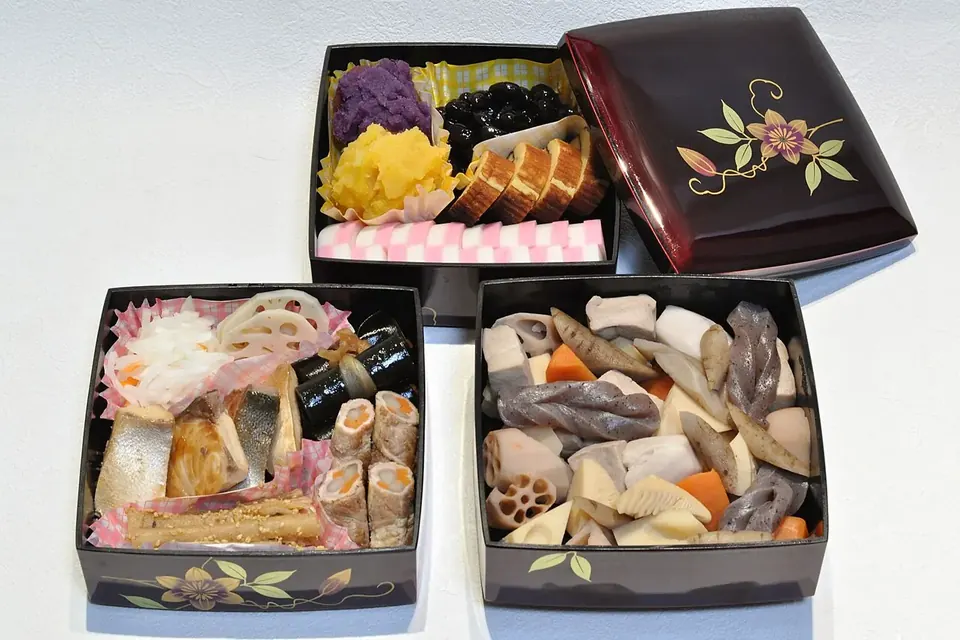
Year-end cleaning, temple bells, osechi boxes, the first shrine visit and money for children: the year's biggest holiday, day by day.
 Seasons and festivals
Obon, the summer festival of the ancestors
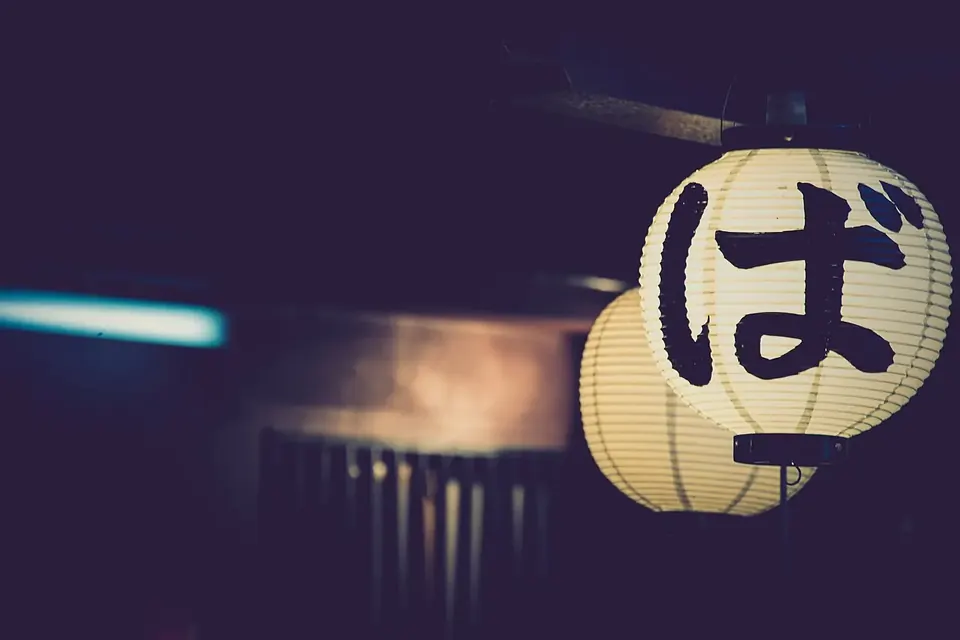
Why Tokyo holds Obon in July and most of Japan in August, and what happens over the three or four days.
 Homes and small spaces
The genkan and shoes-off homes
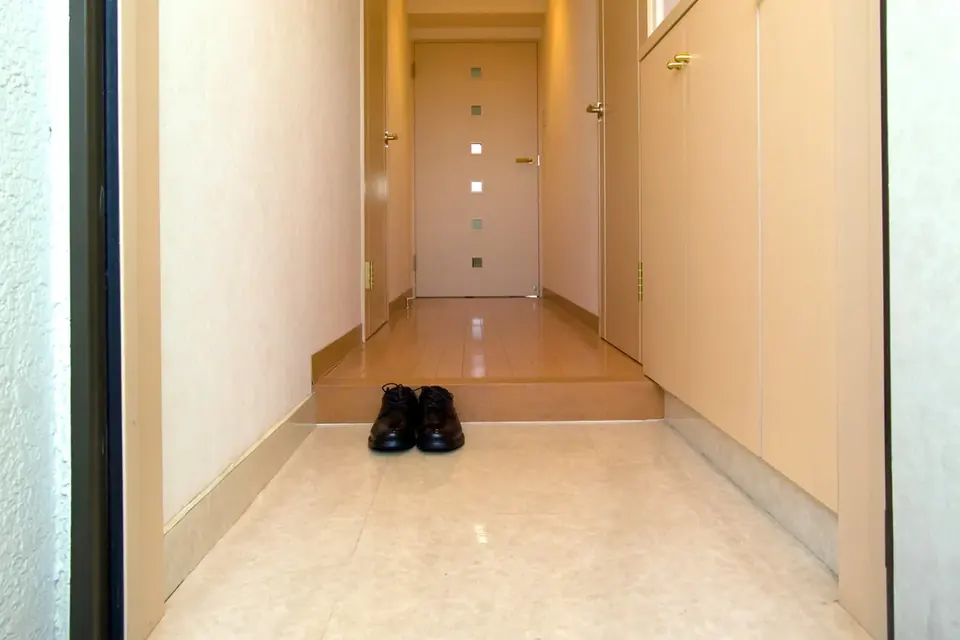
Why shoes stop at the step, which slippers go where, and how to visit a Japanese home without a misstep.