An Okinawan New Year: two New Years, nakami-jiru and the flags of Itoman
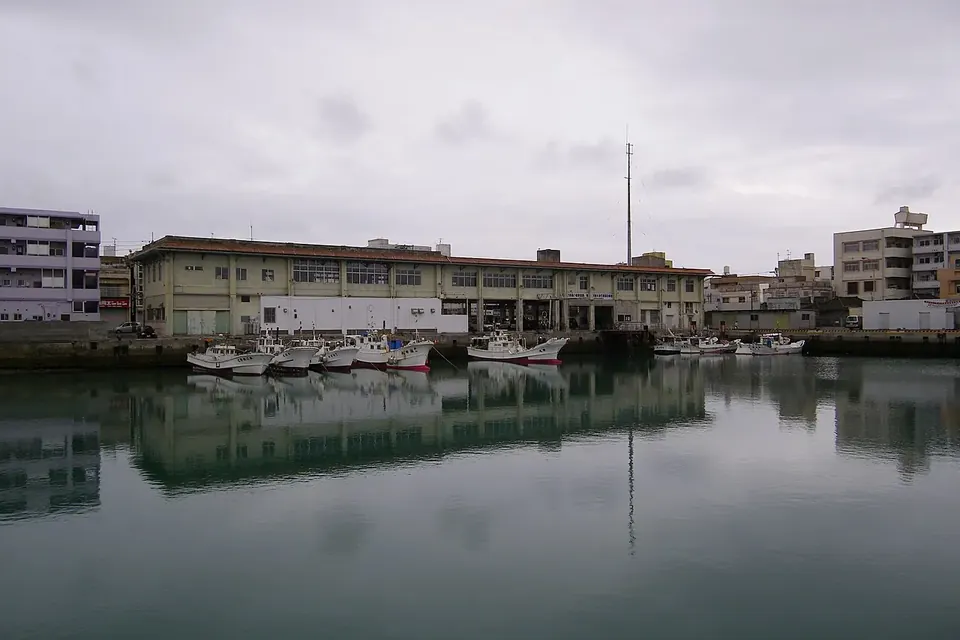
New Year is the biggest holiday in Japan, but Okinawa celebrates it in its own way. The islands were once the Ryukyu Kingdom, with a calendar, a cuisine and religious customs that differ from the mainland, and some of that difference survives at New Year. Many Okinawans in effect have two New Years: the solar one on 1 January, shared with the rest of Japan, and the lunar New Year a few weeks later, which some communities, especially fishing towns such as Itoman, still celebrate with flags, prayers and feasts.
- On 1 January, Okinawa follows the national holiday, mostly as a family event.
- The lunar New Year (旧正月 kyū shōgatsu) falls in late January or February and is still celebrated in some communities, notably the fishing port of Itoman.
- In Itoman, fishermen fly big-catch flags (tairyō-bata) on their boats to pray for safety at sea and good catches.
- Instead of mainland ozōni, Okinawan households traditionally serve nakami-jiru, a soup of pork offal, at New Year and other celebrations.
Two calendars
Japan adopted the solar calendar in 1873, and the national New Year has been on 1 January ever since. Okinawa, which became a prefecture in 1879, kept many of its customs on the lunar calendar, which follows the moon and moves each year relative to the solar one. Much of Okinawan religious and family life, including memorial rites and the summer Obon, is still timed by it. The lunar New Year usually falls between late January and mid-February.
Today, most Okinawan families celebrate on 1 January like the rest of Japan, with a day off, family visits and a trip to a shrine. The lunar New Year has become less common in daily life, but it remains strong where tradition is tied to the sea and the old calendar. Our guide to Japanese New Year describes the mainland customs for comparison.
The lunar New Year in Itoman
Itoman, in the south of Okinawa's main island, is a historic fishing town known for its uminchu (fishermen). Each lunar New Year, local newspapers report the same scene: fishermen hoist colourful big-catch flags on the boats in the port to pray for a safe year at sea and abundant catches, and visitors come to photograph the harbour full of flags. On the day before, the town's market is busy with people buying food for the celebration. Families visit local places of worship early in the morning; the Hakugindō, a shrine in Itoman associated with the sea, is one of the sites where residents pray on lunar New Year's Day, according to Okinawan press reports.
Other fishing communities and islands have their own lunar New Year observances, often private family or village rites rather than public events.
New Year food: nakami-jiru instead of ozōni
On the mainland, the New Year meal centres on osechi boxes and ozōni, a soup with rice cakes. Okinawa traditionally did not have the ozōni custom. Instead, 中身汁 nakami-jiru, a clear soup of carefully cleaned pork offal (nakami, "the inside") with konjac and shiitake in a bonito broth, is served for celebrations including New Year. It reflects the central place of pork in Okinawan cooking, where every part of the animal is used. Other celebratory dishes include rafute (braised pork belly), kombu stir-fried with pork (kūbu irichī) and, in some families, boxes of festive food similar to osechi. Our guide to Okinawan home cooking explains these ingredients.
| Aspect | Mainland Japan | Okinawa |
|---|---|---|
| Main date | 1 January | 1 January for most families; lunar New Year still kept in some communities |
| Soup | Ozōni with mochi | Nakami-jiru (pork offal soup) |
| Signature scene | Crowds at shrines and temples, kadomatsu at gates | Family gatherings; big-catch flags in Itoman at lunar New Year |
| Places of prayer | Shrines and Buddhist temples | Shrines and also local sacred sites (utaki, uganju) |
Prayer and sacred places
Okinawan religion centres on ancestors and on sacred places in nature and in villages, the utaki and other places of prayer (uganju), traditionally tended by women who lead family and community rites. At New Year, families pray at the household altar and at the hearth, and some visit village sacred sites. These are places of worship, not tourist sights: visitors should not enter restricted areas, take anything from them, or photograph people praying without permission. Shinto shrines such as Naminoue Shrine in Naha draw crowds at the solar New Year in the same way as mainland shrines.
On the islands
On smaller islands, New Year customs differ again from village to village, and many are private family rites rather than events for visitors. If you are on an outer island over the holiday, such as those described in our guide to Kumejima and the outer islands, expect shops and restaurants to close for a few days around 1 January and plan meals and transport in advance.
Tips for visitors
- Check the lunar date for the year you visit; it moves between late January and February.
- Go to Itoman's fishing port on lunar New Year's Day to see the flags, but stay out of the way of fishermen working.
- Book early for late December and early January, when people return home to Okinawa.
- Try nakami-jiru at a local restaurant; it is served year-round in some places.
- Dress for wind: winter in Okinawa is mild but can be grey and windy.
Sources
- Ryūkyū Shimpō, reports on the lunar New Year in Itoman (big-catch flags at Itoman fishing port; prayers at Hakugindō), 2013, 2015, 2022 and 17 February 2026.
- Ministry of Agriculture, Forestry and Fisheries (MAFF), "Our Regional Cuisines" (Uchi no kyōdo ryōri), Okinawa: nakami-jiru, consulted October 2026.
- Okinawa Prefecture, "About Okinawa" (PDF), consulted October 2026.
- National Diet Library, "Japanese Calendar" (adoption of the solar calendar in 1873), consulted October 2026.
 Seasons and festivals
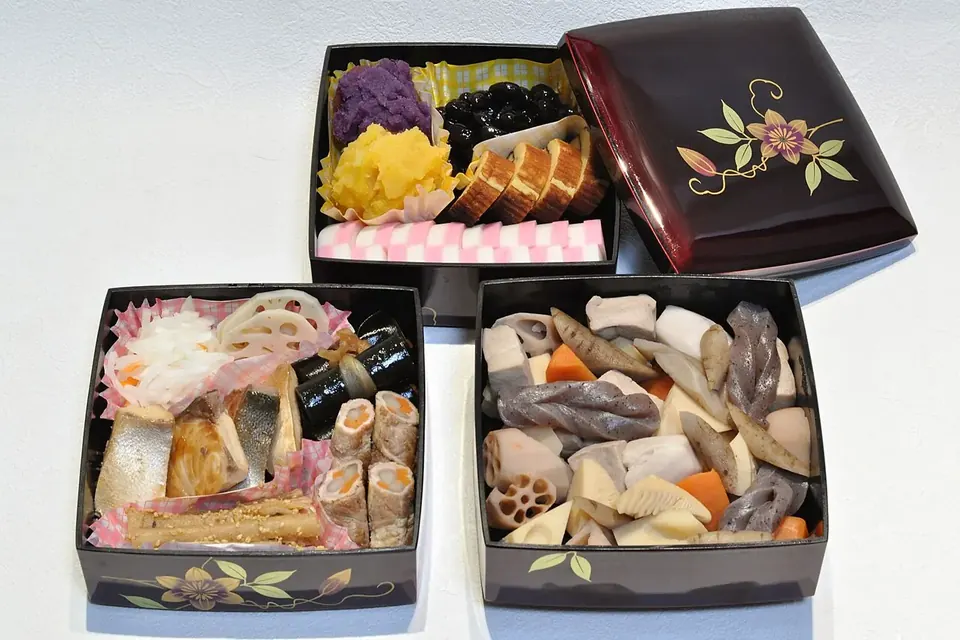
Japanese New Year: shōgatsu
Year-end cleaning, temple bells, osechi boxes, the first shrine visit and money for children: the year's biggest holiday, day by day.
 Seasons and festivals
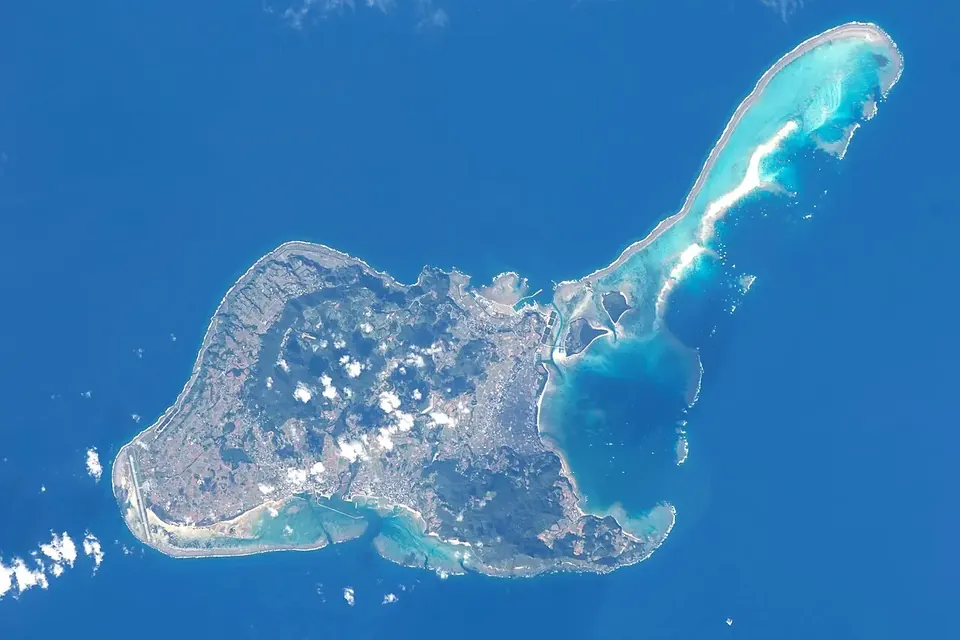
Kumejima and Okinawa's outer islands
Sandbars, silk, typhoons and early cherry blossoms: life and travel on a small island west of Okinawa's main island.
 Japanese home cooking
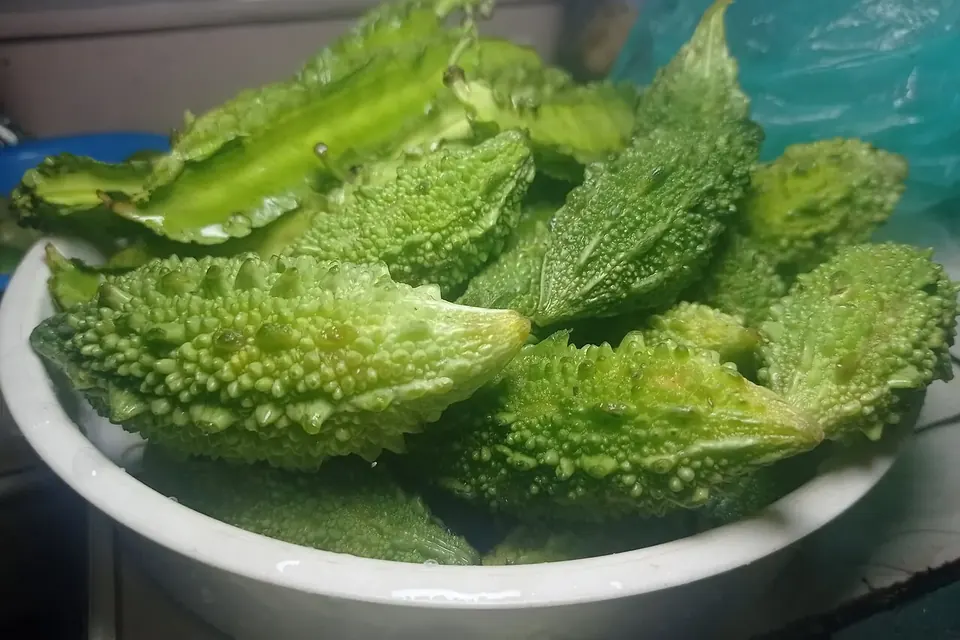
Okinawan home cooking and goya chanpuru
Bitter melon, island tofu, pork and wheat gluten: how Okinawa's stir-fries work, with a goya chanpuru method.