Train and public manners in Japan: queues, phones, escalators and quiet carriages
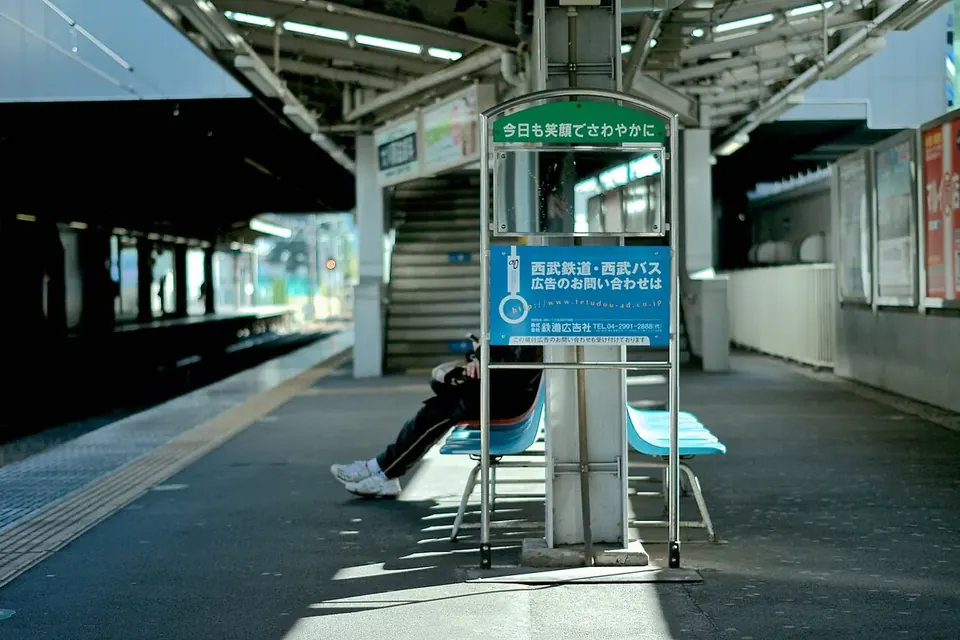
Japanese cities move millions of people a day through crowded stations and trains with surprisingly little friction. Part of the reason is engineering and punctual timetables; part is a set of shared habits that everyone follows without thinking. Railway companies reinforce them with an endless series of colourful manners posters. For visitors and new residents, the essentials take a minute to learn and make every journey easier.
- Queue at the marked spots on the platform and let passengers off first.
- Set your phone to silent ("manner mode") and don't take calls on trains.
- Give priority seats to older people, pregnant women, people with disabilities or with small children.
- Wear backpacks on the front or put them on the rack in crowded trains.
- On escalators, follow local practice, but note that several cities now ask people to stand still on both sides.
On the platform
Platforms are painted with markings that show where each door of the train will stop, often with separate lines for different train types. People queue in neat lines beside these marks, usually in two columns, leaving the centre clear for passengers getting off. When the train arrives, wait until everyone has left, then board in order. Rushing the doors as they close is dangerous and is the subject of many station announcements. In 2026, eighteen railway operators in the Kansai region launched a joint campaign focused on exactly this: not blocking the area around train doors.
On the train
| Do | Avoid |
|---|---|
| Put your phone on silent and text instead of calling | Phone calls, loud conversations, music leaking from headphones |
| Move inside the carriage, away from the doors | Standing in the doorway when you aren't getting off |
| Wear your backpack on the front or use the rack | Swinging bags into people in crowded trains |
| Keep your bag on your lap or the rack | Taking an extra seat with luggage |
| Offer priority seats to those who need them | Sitting in priority seats when others need them |
| Eat and drink on long-distance trains like the shinkansen | Eating strong-smelling food on crowded local trains |
Near priority seats, some signs ask passengers to switch phones off in crowded conditions, out of consideration for people with medical devices. Many urban lines also run women-only cars during rush hours, marked on the platform and on the carriage; men should use other cars at the times shown (children and passengers with disabilities and their carers are usually exempt).
Escalators: which side?
By habit, people in Tokyo stand on the left and leave the right side for walkers, while in Osaka it is the reverse. Railway companies, however, have long asked people not to walk on escalators at all, for safety, and to stand on both sides. Some local governments have gone further: Saitama Prefecture's ordinance, in force since October 2021, and Nagoya City's ordinance, in force since October 2023, ask users to stand still on escalators. Neither carries penalties, and habits change slowly, so you will still see walkers. The safe choice is to stand, hold the handrail and step aside only where others clearly expect it.
In stations and streets
- Keep to the side indicated by arrows in passages and on stairs.
- Don't stop suddenly at the top of stairs or escalators, or in front of ticket gates, to look at your phone.
- Walking while using a phone (aruki-sumaho) is discouraged by stations and some municipalities.
- Smoking is restricted to designated areas in most cities; many streets ban it outright.
- Bins are rare in public. Carry your rubbish home; see our guide to garbage sorting.
- Eating while walking is considered impolite in many places; eat at the shop or a bench.
Rush hour
Commuter trains in Tokyo and Osaka are at their most crowded between about 7:30 and 9:30 a.m. on weekdays. If you have luggage or children, travelling outside these hours is easier for you and for everyone else; some stations post staff at the doors to help passengers fit in. In a packed carriage, keep your hands visible, hold a strap or pole, and when your stop comes, say orimasu and move steadily towards the door rather than pushing. People near the door often step off onto the platform to let others out, then get back on.
Shinkansen and long-distance trains
On long-distance trains the atmosphere is more relaxed. Eating a station bento (ekiben) is part of the experience, and you can turn rows of seats to face each other for a group. Ask before reclining your seat fully, keep calls to the vestibule between cars, and take your rubbish with you or use the bins on board. Large suitcases on the Tōkaidō, Sanyō and Kyushu shinkansen need a reservation for the oversized-luggage area.
Tickets and gates
Most people use rechargeable IC cards or phones at the ticket gates. Have yours ready before you reach the gate, so the line keeps moving. If you are unsure of the fare on a paper ticket, buy the cheapest and pay the difference at the fare adjustment machine at your destination. For long-distance trains, reserved seat tickets show car and seat numbers, and platforms show where each car stops.
Why it works
Observers often explain Japanese public manners with words like meiwaku, the idea of not causing trouble or inconvenience to others, and with the long-standing culture of public campaigns: railway manners posters have been a fixture since the post-war decades, and campaigns now include ones aimed at international visitors using popular manga characters. Most of it comes down to reducing friction in very crowded spaces, which is something every big city needs. The same spirit runs through everyday customs at home and at the table, described in our guide to table manners.
Quick phrases
- Sumimasen: "Excuse me", to get past or get someone's attention.
- Orimasu: "I'm getting off", in a crowded carriage.
- Dōzo: "Please, go ahead", when offering a seat.
Sources
- Saitama Prefecture, ordinance on the safe use of escalators (in force 1 October 2021), consulted October 2026.
- City of Nagoya, ordinance promoting the safe use of escalators (in force 1 October 2023), consulted October 2026.
- Kansai railway operators' joint manners campaign, announced 20 August 2026, as reported by regional media.
- Japan National Tourism Organization (JNTO), japan.travel, transport information for visitors, consulted October 2026.
 Everyday culture
Garbage sorting in Japan
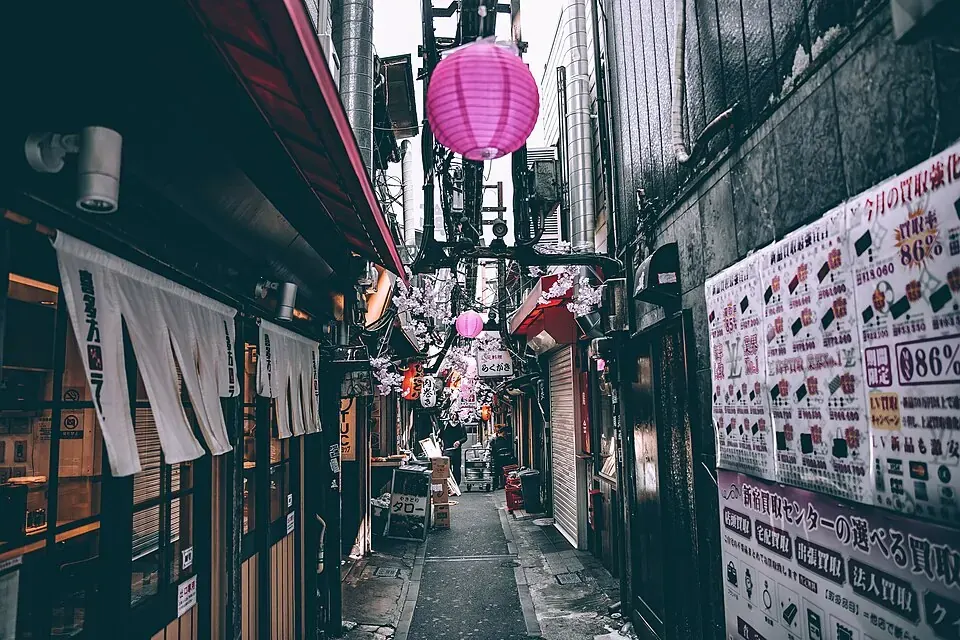
Burnable, recyclable, oversized: collection days, the 8 a.m. rule, PET bottles and appliances, using Shinjuku as an example.
 Everyday culture
Chopsticks and table manners
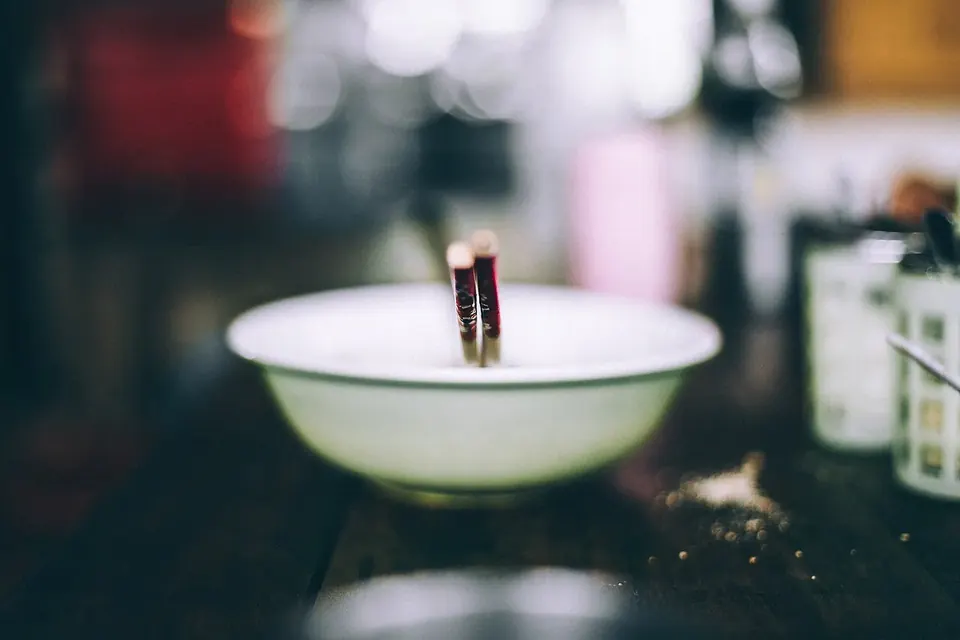
Itadakimasu, lifting your bowl, slurping noodles and the two chopstick gestures linked to funerals.
 Everyday culture
Gift-giving in Japan: omiyage and more
Why travellers bring boxes of sweets back for colleagues, what to take when visiting a home, and the numbers to avoid.