Coralway's 2012 Kengo Tarumi prize: Okinawa's island photography and the photographer behind it
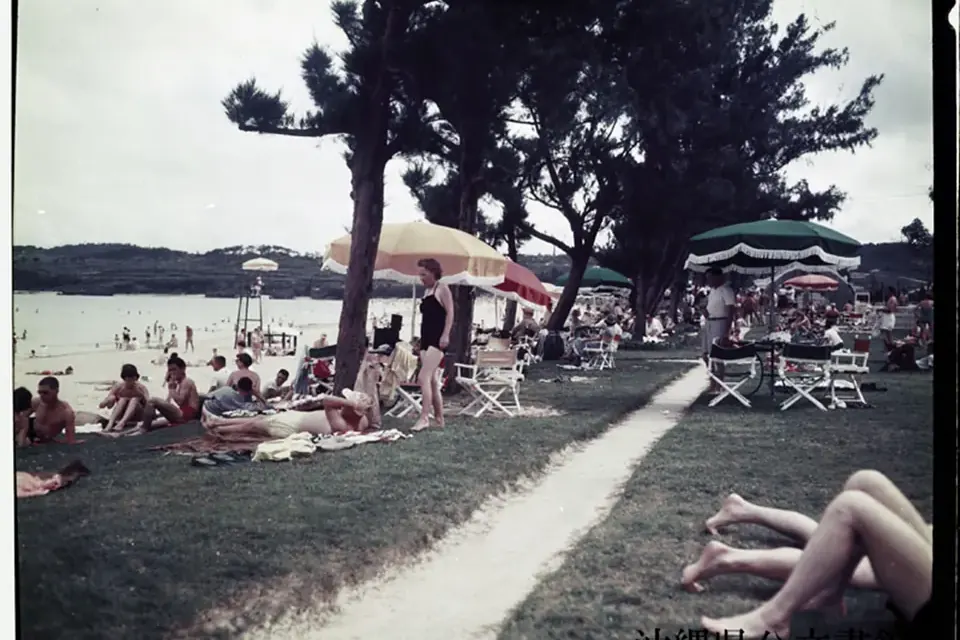
Okinawa's islands have long attracted photographers: the light over coral reefs, the villages of stone walls and red-tiled roofs, the festivals and the faces of island life. Two names connect that tradition with this address. One is Coralway, the in-flight magazine of an Okinawan airline. The other is Kengo Tarumi, a photographer based in Naha. This page explains both, notes the 2012 prize that bore the photographer's name, and offers practical advice for anyone who wants to photograph the outer islands today.
- Coralway is the in-flight magazine of Japan Transocean Air (JTA), devoted to Okinawa and its islands.
- Kengo Tarumi (垂見健吾), known as "Taruken", is a photographer based in Naha whose books document Okinawa and its people.
- The 2012 Kengo Tarumi prize was a prize named after the photographer within Coralway's photo contest.
- Photographing the outer islands well means planning around light, seasons and typhoons, and respecting sacred and private places.
What Coralway is
Japan Transocean Air is an airline based in Okinawa that links Naha with the prefecture's outer islands and with cities on the main islands of Japan. Its in-flight magazine, Coralway, is dedicated to Okinawa and the islands of the Ryukyu archipelago: their landscapes, history, crafts, food and people. Back issues are listed by Japanese magazine retailers. Like many regional in-flight magazines in Japan, it serves both as reading for passengers and as a showcase for the places the airline serves, and photography is central to it.
Kengo Tarumi and his Okinawa
Kengo Tarumi, widely known by the nickname "Taruken", is a photographer based in Naha. His published work, as described by Japanese publishers, arts media and the Okinawan press, includes:
| Year | Title | Notes |
|---|---|---|
| 1993 | 琉球人の肖像 (Portraits of Ryukyuans) | Portraits of Okinawan people photographed face-on with a 4×5 large-format camera |
| 2012 | 南方写真師タルケンおじぃの沖縄島旅案内 | A guide to travelling Okinawa's islands, published by Bungeishunjū |
| 2023 | めくってもめくってもオキナワ | A photobook of Okinawa |
| 2026 | 島島の時間 (exhibition) | An exhibition held in Ishigaki |
The 1993 portraits are a good key to his approach: a large-format camera is slow and deliberate, and photographing people face-on with it requires their cooperation and time. The result is a record of individuals rather than a series of scenic postcards. His island travel guide, published in the same year as the prize that bears his name, reflects a long familiarity with the smaller islands as well as Okinawa's main island.
The 2012 prize
Coralway's photo contest included a prize named after the photographer, the Kengo Tarumi prize. According to the English Wikipedia article on Benjamin Martin, the author of the blog that formerly occupied this domain, he won the 2012 Tarumi Kengo prize in the Coral Way Photo Contest. The contest's categories, judging and prizes are not documented in the sources available to us, so they are not described here.
Okinawa through the lens
Photographs of Okinawa span very different eras. Images taken during the American administration of the islands after 1945, such as the 1954 beach scene at the top of this page, now serve as historical records of landscapes and coastlines that have since changed. Okinawan photographers have documented festivals, everyday work, the sea and the effects of war and development, while magazines and books for travellers have shaped how the islands are seen from outside. Kengo Tarumi's portraits sit within that longer tradition of looking closely at the people of the islands rather than only at their beaches.
Photographing Okinawa's outer islands
The islands that Coralway covers, such as Kumejima, the Kerama islands, Miyako and Yaeyama, reward photographers who plan for their particular conditions. Our guide to Kumejima and the outer islands covers the island year in more detail.
Light
- Early morning and late afternoon give the best colour on reefs and beaches; at midday the subtropical sun flattens the landscape and bleaches the sea.
- A polarizing filter cuts reflections on the water and deepens the turquoise over coral.
- Protect your gear from salt spray, sand and humidity; let cameras acclimatize before moving from air-conditioned rooms to the outside, to avoid condensation.
Seasons
- January to February: the deep-pink cherry blossoms of the islands, the first in Japan, and clear winter skies on calm days.
- May to June: the rainy season, which in Okinawa usually starts earlier than on the main islands; soft light and green landscapes.
- Summer: festivals, drum dances and long days, but harsh light and heat.
- Typhoon season, mostly from summer to autumn: check the Japan Meteorological Agency's forecasts and never go near the shore or onto breakwaters during storms.
People and festivals
Island festivals and village events are some of the most photogenic moments of the year, and also community and religious occasions. Ask before photographing people up close, especially older residents and children; follow organizers' instructions; and don't block processions or performers. Food stalls and markets are friendlier places to start conversations, and the island dishes described in our guide to Okinawan home cooking are subjects in themselves.
Sacred and private places
Okinawan communities have utaki, sacred groves and places of prayer, some of which are closed to outsiders or open only at certain times. Respect signs and local advice, don't enter areas marked as restricted, and keep drones well away from them. Many beautiful houses, gardens and tombs are private family property; photograph from public roads. The general etiquette in our guide to visiting shrines and temples applies here too.
Drones and regulations
Drone flights in Japan are regulated by national aviation rules, and many airports, bases, parks and beaches in Okinawa have additional restrictions. Check the current rules and local permissions before flying, and don't fly over people or festivals.
Sources
- Wikipedia, "Benjamin Martin (author)", section Recognition, Photography (citing "Coralway's 2012 Kengo Tarumi Winner", More Things Japanese), consulted October 2026.
- Fujisan Magazine Service (fujisan.co.jp), listing of Coralway issues, consulted October 2026.
- artscape (artscape.jp), Bungeishunjū (books.bunshun.jp) and Ryūkyū Shimpō, information on Kengo Tarumi's books and exhibitions, consulted October 2026.
- Japan Meteorological Agency, typhoon and weather information, consulted October 2026.
- Okinawa Prefecture, "About Okinawa" (PDF), consulted October 2026.
- Kumejima Town, official website, consulted October 2026.
 Seasons and festivals
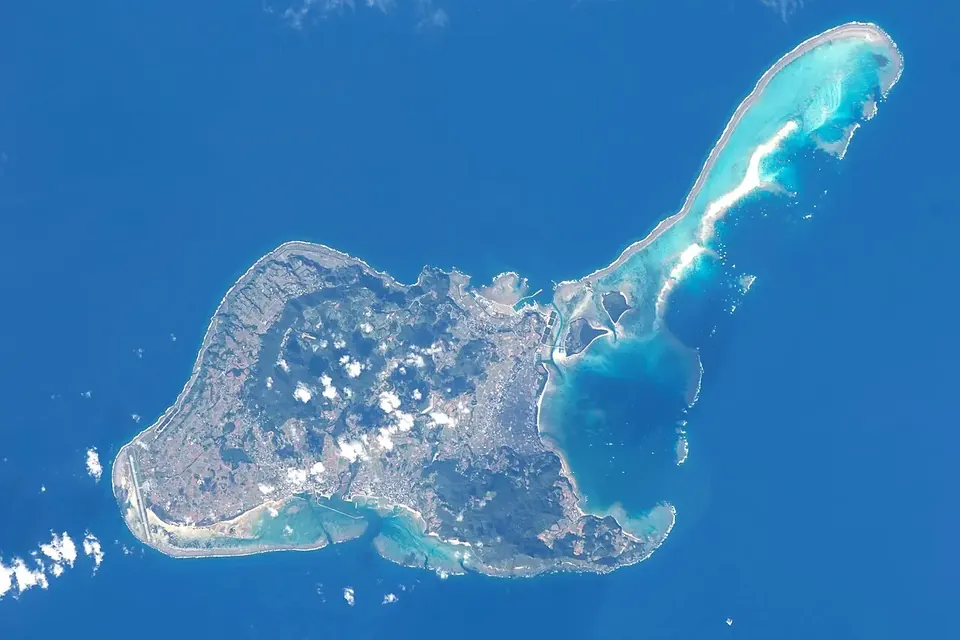
Kumejima and Okinawa's outer islands
Sandbars, silk, typhoons and early cherry blossoms: life and travel on a small island west of Okinawa's main island.
 Japanese home cooking
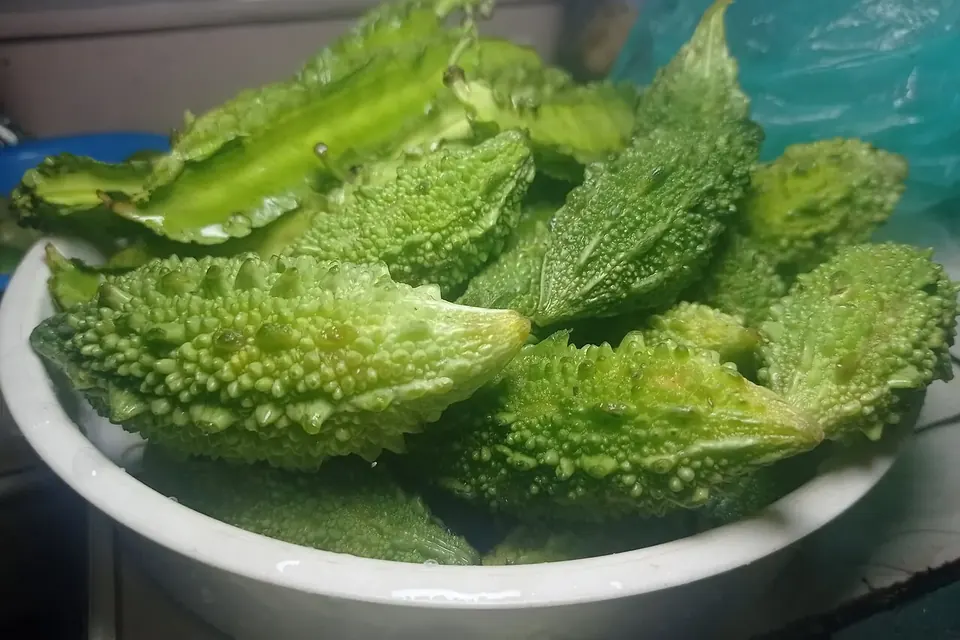
Okinawan home cooking and goya chanpuru
Bitter melon, island tofu, pork and wheat gluten: how Okinawa's stir-fries work, with a goya chanpuru method.
 Seasons and festivals
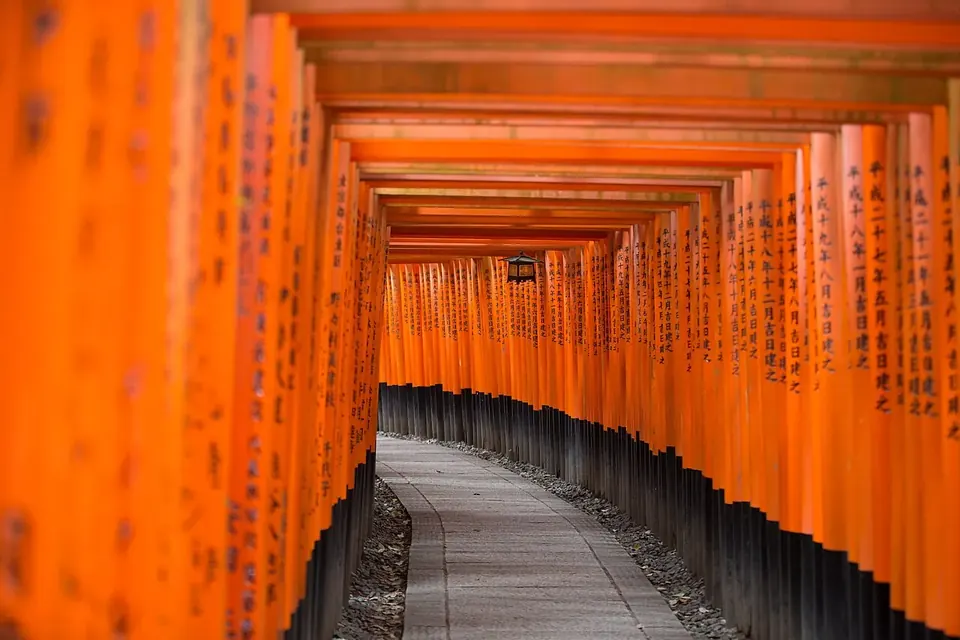
Visiting shrines and temples
Torii or temple gate, two claps or none: purification, prayer, omikuji and charms, with Tokyo's Sensō-ji as an example.