Shichi-Go-San: Japan's November festival for children aged three, five and seven
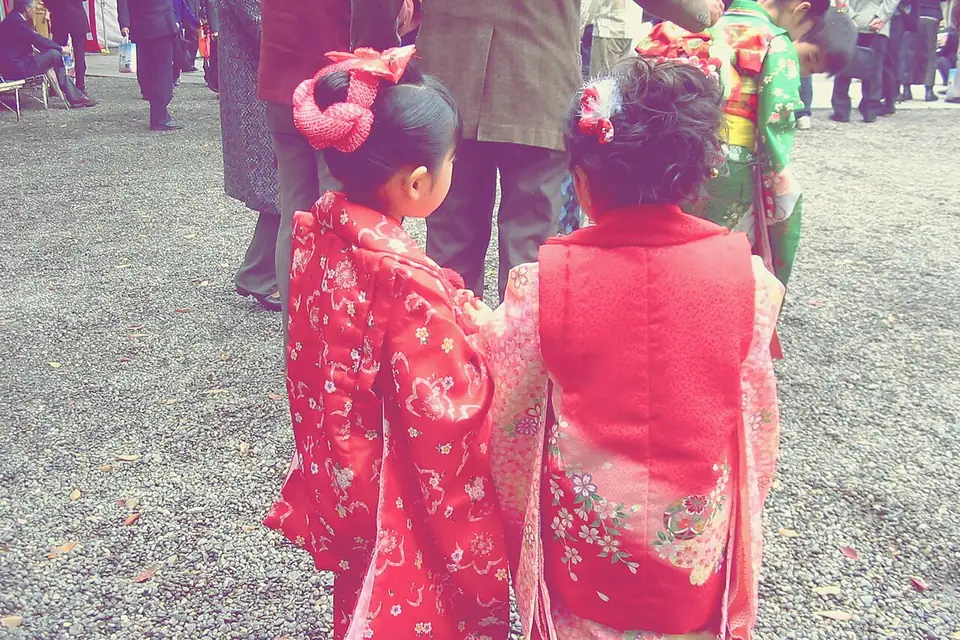
On a fine weekend in November, shrine paths across Japan fill with very small people in very formal clothes: girls in bright kimono with flowers in their hair, boys in pleated hakama trousers, parents steering them gently towards the hall of worship while grandparents take photographs. This is Shichi-Go-San, literally "seven-five-three", the day families give thanks for a child's health and pray for the years ahead. It is not a public holiday and there is no parade. It is a family occasion, and one of the most charming things to see in Japan in late autumn.
- Who: girls aged three and seven, boys aged five, and in many families boys aged three as well.
- When: the traditional date is 15 November, but most families go on a nearby weekend in October or November.
- Where: a Shinto shrine, often the local one or the shrine where the child had their first visit as a baby.
- What: formal clothes, a prayer or blessing at the shrine, a family photograph and a bag of long red-and-white candy, chitose-ame.
Why three, five and seven?
The three ages correspond to three old rites of passage that were once held separately. Accounts of their origins differ, and some details are traditional rather than documented, but the broad outline is well established.
| Age | Old rite | What it marked |
|---|---|---|
| 3 (girls and boys) | Kamioki, "leaving the hair" | Young children's heads were traditionally kept shaved; at three, the hair was allowed to grow. |
| 5 (boys) | Hakamagi, "putting on the hakama" | The first time a boy wore formal hakama trousers and a haori jacket. |
| 7 (girls) | Obitoki, "untying the cords" | A girl's kimono was no longer tied with simple attached cords but with a proper obi sash, like an adult's. |
Odd numbers are traditionally considered lucky in East Asia, which is often given as one reason for the choice of ages. Another, more sober reason is that childhood was dangerous for most of history. Reaching three, five or seven was itself something to be thankful for, and the rites were as much a thanksgiving for survival as a celebration of growing up.
From court custom to family tradition
Ceremonies of this kind are said to go back to the aristocracy of the Heian period (794 to 1185) and were later taken up by samurai households, who added rituals of their own. The date of 15 November is usually linked to the fifth Tokugawa shogun, Tsunayoshi, who is said to have held a ceremony for his son Tokumatsu on that day. In the old lunisolar calendar, the 15th of the eleventh month was considered an auspicious day, and the custom spread among townspeople in Edo.
By the Meiji period (1868 to 1912) the separate rites had merged into the shrine visit we know today, and the practice had become common across social classes. Since then, the core of the day has changed remarkably little: the hair ceremony has disappeared, but the clothes, the shrine and the prayer for a long and healthy life remain. Families who follow the traditional count of ages (kazoedoshi), in which a child is one at birth and gains a year every New Year, celebrate a year earlier than those who use the child's actual age; both are common, and shrines accept either.
What happens on the day
- Dressing up. Seven-year-old girls usually wear a full kimono with an obi, often for the first time. Three-year-old girls wear a kimono with a padded sleeveless overcoat, the hifu, which is easier for a toddler. Five-year-old boys wear hakama and haori, sometimes with a decorative fan or a small toy sword. Many families rent the outfits, and some children wear Western formal clothes instead.
- The shrine visit. At the shrine the family purifies their hands at the water basin and prays at the hall of worship, following the usual etiquette described in our guide to visiting shrines and temples. Many families also book a short blessing ceremony (kitō) inside the hall, performed by a priest, for which an offering is made; shrines publish their own times and arrangements, and large shrines are very busy at weekends.
- The candy. Children receive chitose-ame, "thousand-year candy": long, thin sticks of red and white sugar candy, a wish for a long life. They come in a paper bag decorated with symbols of longevity and good fortune, typically the crane and the turtle, sometimes pine, bamboo and plum. Many shrines hand them out after the blessing, and they are sold in shops in November.
- The photograph. For many families, the formal portrait is now as important as the shrine itself. Photo studios specialise in Shichi-Go-San packages, often with costume rental and make-up included, and many families have the photographs taken weeks before or after the shrine visit to avoid the November rush.
- A family meal. The day usually ends with a meal with grandparents, at home or in a restaurant. Relatives often give the child a small present or money, and the parents may send a modest return gift afterwards, in the spirit of the reciprocity described in our guide to Japanese gift-giving.
Shichi-Go-San in the cycle of childhood
Shichi-Go-San is one step in a series of family occasions, many of them centred on the local shrine. A baby's first shrine visit (omiyamairi) takes place about a month after birth. The first New Year is often marked with special decorations, and every New Year brings the first shrine visit of the year, hatsumōde, described in our guide to the Japanese New Year. Girls have the Doll Festival on 3 March and children of both sexes are celebrated on Children's Day, 5 May, a national holiday. Later, young adults are celebrated at the Coming of Age ceremonies held each January.
Compared with those events, Shichi-Go-San is quieter and more personal. It has no fixed public programme and no special food beyond the candy. What it has is the striking image of children in formal dress, which is why it appears so often in photographs of Japanese autumn.
A note on timing
Because 15 November is a weekday in most years, and because families want good weather, available grandparents and a studio slot, the celebrations are spread out. Nippon.com notes that the festival is now often held on weekends and public holidays throughout November. Many shrines start receiving Shichi-Go-San visits in October, and some offer the blessing ceremony into early December. If you hope to see families in their finery, a sunny Saturday or Sunday in the first half of November at a well-known shrine is your best chance.
Watching as a visitor
- It is a private occasion in a public place. Families are happy to share the shrine, but they are there to pray, not to perform.
- Ask before photographing children. A smile and a gesture towards your camera is usually enough to ask; accept a no gracefully. Never photograph the blessing ceremony inside the hall unless the shrine clearly allows it.
- Keep the path clear. Small children in long kimono and wooden sandals move slowly; give them room on steps and near the water basin.
- Look, don't touch. Rented kimono are expensive, and hair ornaments are fragile.
- Combine it with the season. Shichi-Go-San coincides with the start of the autumn colours in many cities, so a shrine visit in November is often a walk under red and gold leaves too.
The meaning behind the clothes
Seen from outside, Shichi-Go-San can look like a dressing-up day. For the families involved, the clothes are a way of marking that the child has passed a threshold, that they are no longer a baby, and that their parents are grateful. The red-and-white candy, the crane and turtle on the bag, the bow at the shrine and the carefully posed portrait all say the same thing: may this child grow up healthy and live a long life.
Sources
- Wikipedia, "Shichi-Go-San" (the ages, the kamioki, hakamagi and obitoki rites, the Meiji-period shrine visit, kazoedoshi and chitose-ame), consulted November 2026.
- Nippon.com, "Shichi-Go-San: Japan's 'Seven-Five-Three' Celebration of Growing Children", 2 November 2026 (15 November, celebrations spread over weekends and holidays in November, chitose-ame), consulted November 2026.
- The date's association with the shogun Tokugawa Tsunayoshi and his son Tokumatsu is a widely repeated tradition, reported by Wikipedia among others, rather than a documented fact.
 Seasons and festivals
Visiting shrines and temples
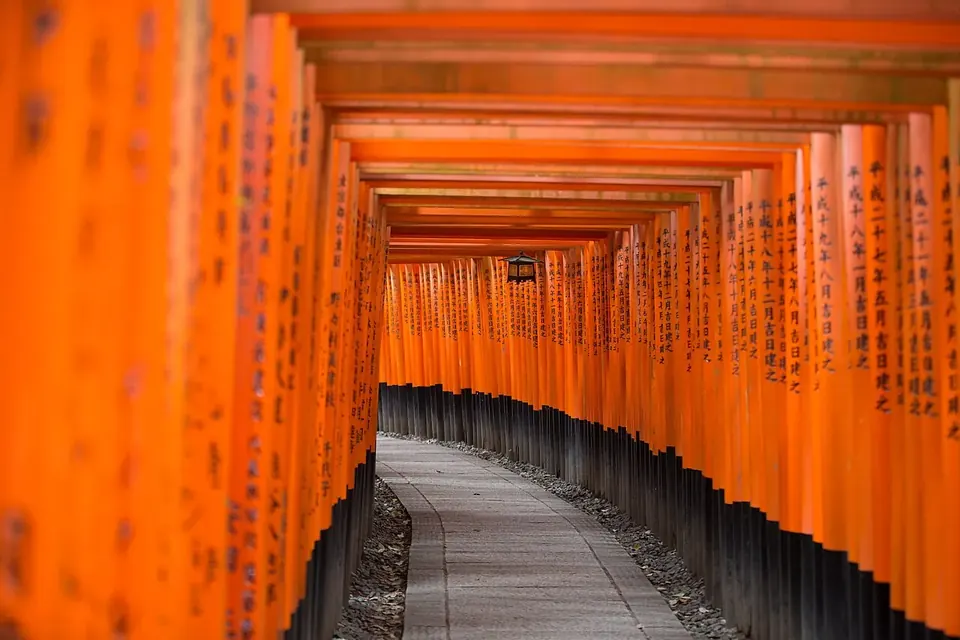
Torii or temple gate, two claps or none: purification, prayer, omikuji and charms, with Tokyo's Sensō-ji as an example.
 Seasons and festivals
Japanese New Year: shōgatsu
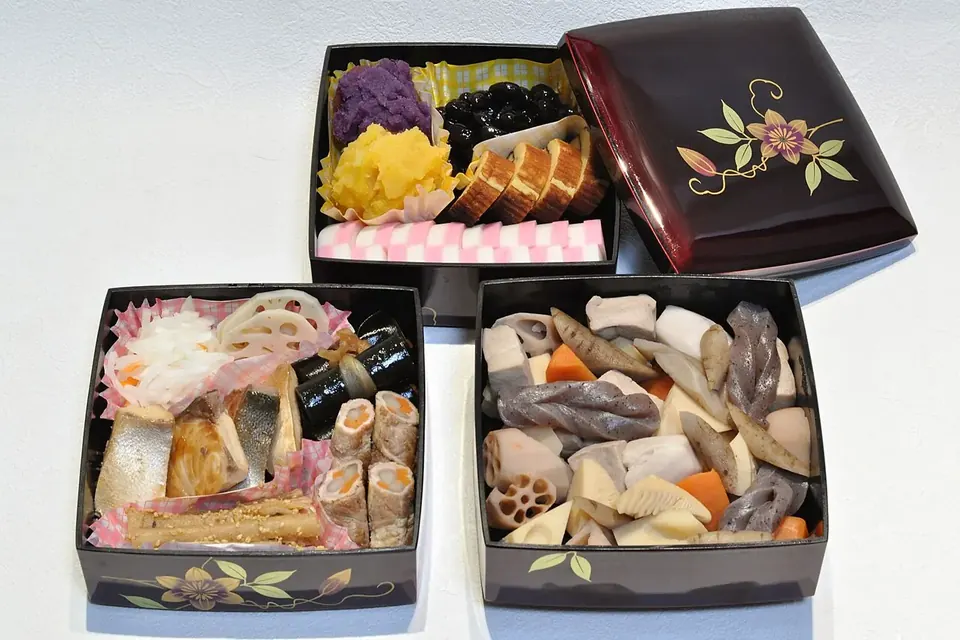
Year-end cleaning, temple bells, osechi boxes, the first shrine visit and money for children: the year's biggest holiday, day by day.
 Everyday culture
Gift-giving in Japan: omiyage and more
Why travellers bring boxes of sweets back for colleagues, what to take when visiting a home, and the numbers to avoid.