Japan's rice prices in 2026: from a record ¥4,416 to under ¥2,800 for 5 kg, and what it means at home
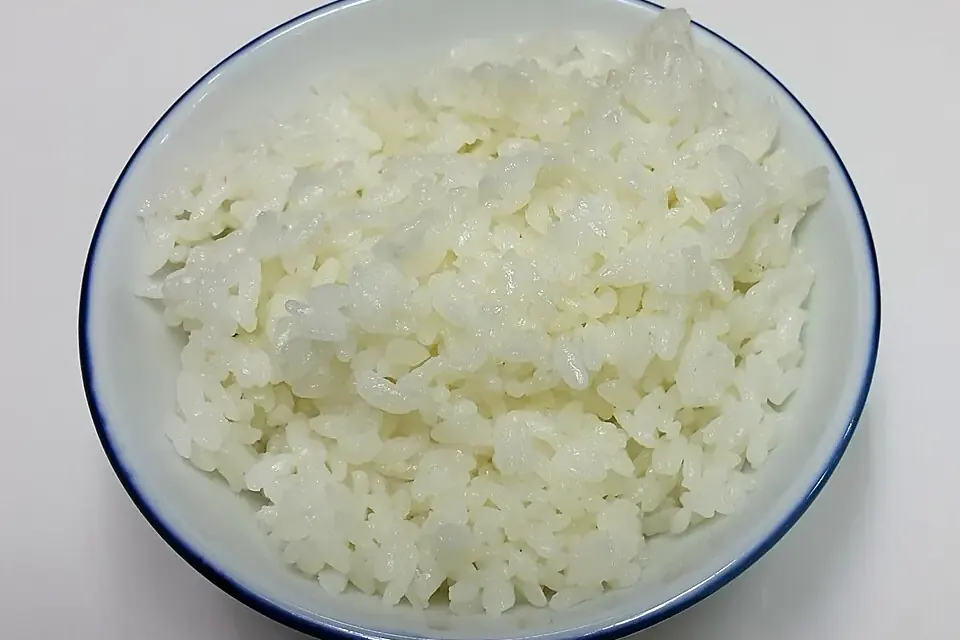
For most of 2025, a bag of rice was a news story in Japan. Prices in supermarkets climbed to levels not seen since the government started its weekly survey, the state released emergency stockpiles, and rice became a topic at kitchen tables and in parliament. A year later the picture has turned. The latest figures put the average 5 kg bag below ¥2,800, roughly 38% less than the January peak. Here is how the price moved, why, and what it changed in Japanese kitchens.
The numbers
- ¥4,416: the peak average price for a 5 kg bag, reached in January 2026.
- ¥2,971: the average for the week of 7 to 13 September 2026, the first time below ¥3,000 since September 2024.
- ¥2,747: the average for the week to 8 November 2026, down ¥69 on the previous week.
- Around ¥2,000: the price of freshly harvested 2026 rice in many Kanto supermarkets in late October.
How the price moved
The figures come from the Ministry of Agriculture, Forestry and Fisheries (MAFF), which surveys about 1,000 supermarkets every week and publishes the average price of a 5 kg bag, tax included. At the end of November 2025, Jiji Press reported a new record of ¥4,335 per 5 kg, "the highest since the survey began in March 2022". Prices kept rising into the new year and peaked at ¥4,416 in January 2026.
The descent started slowly. In mid-March 2026 the average slipped to ¥3,980, below ¥4,000 for the first time in seven months. By September it had fallen under ¥3,000: ¥2,971 for the week of 7 to 13 September, the fifth weekly fall in a row. NHK reported on 13 November that the average for the week to 8 November was ¥2,747 (in Japanese), down ¥69 on the week before.
Why rice became so expensive
The crisis had several causes that piled up. The hot summer of 2023 reduced the quality and quantity of the harvest; demand rose as tourism recovered and as households turned to rice when other foods became dearer; and distributors and some households bought ahead once shortages appeared on shelves in summer 2024, which made the shortage worse. The government responded in 2025 by releasing rice from its emergency stockpile, first through auctions and then through direct sales to retailers, which briefly pulled prices down before the expensive 2025 crop pushed them up again.
The ingredients of the reversal are simpler: more rice. Production increased, the stockpile releases added supply, and the 2026 crop arrived much cheaper. Nippon.com noted in September that supplies were increasing again following the shortages, and News On Japan reported that initial trading prices for the 2026 crop were 42% lower than a year earlier, with freshly harvested rice selling for around ¥2,000 per 5 kg in supermarkets around Kanto as of 20 October.
Brand rice, blended rice and the new crop
The weekly survey splits the average into categories that also explain what shoppers see on the shelf. "Brand rice" is rice from a single named variety and region, such as Koshihikari from Niigata, and makes up the large majority of sales. "Blended rice" mixes varieties or harvest years and is cheaper. During the crisis, blended rice became the budget option and stockpile rice, sold under its own labels, was cheaper still. This autumn the hierarchy has been scrambled: new-crop rice, normally a premium, is in places cheaper than older stock still on the shelves.
What changed in the kitchen
Two years of high prices left habits behind, and some are worth keeping whatever the price:
- Measuring by the go. Cooking rice by the traditional cup (one go, 180 ml, about 150 g of raw rice) rather than by eye avoids leftovers that end up thrown away. Our guide to cooking Japanese rice gives the ratios.
- Freezing cooked rice. Portions wrapped while still warm and frozen flat reheat well, and many households cook larger batches less often.
- Stretching a bowl. Rice cooked with barley, millet or vegetables (takikomi gohan) and filling sides such as miso soup and pickles make a smaller portion feel complete; see our guides to miso soup and tsukemono.
- Trying blended or older rice. Many shoppers discovered that blended rice, washed and soaked properly, is perfectly good for everyday meals, curry rice and fried rice.
What next?
Analysts quoted by News On Japan expect new-crop prices to settle between ¥2,000 and ¥2,500 per 5 kg if the 2026 harvest is around average. For people outside Japan, the effect is indirect: Japanese short-grain rice sold abroad follows export and import costs more than the domestic shelf price. For households in Japan, the bag of rice has, for now, gone back to being an ordinary purchase. Did the crisis change the way you cook rice?
Methodology and sources
All prices are averages from the weekly MAFF survey of about 1,000 supermarkets, tax included, as reported by Jiji Press (via Adnkronos), Nation Thailand, Nippon.com and NHK on the dates given; we did not compute any average ourselves. The chart shows only weeks for which a published figure was found and does not interpolate between them. The explanation of the causes summarises widely reported factors and is not an official analysis. The chart may be reused freely with a link to this page and credit to MAFF as the source.
 Home cooking
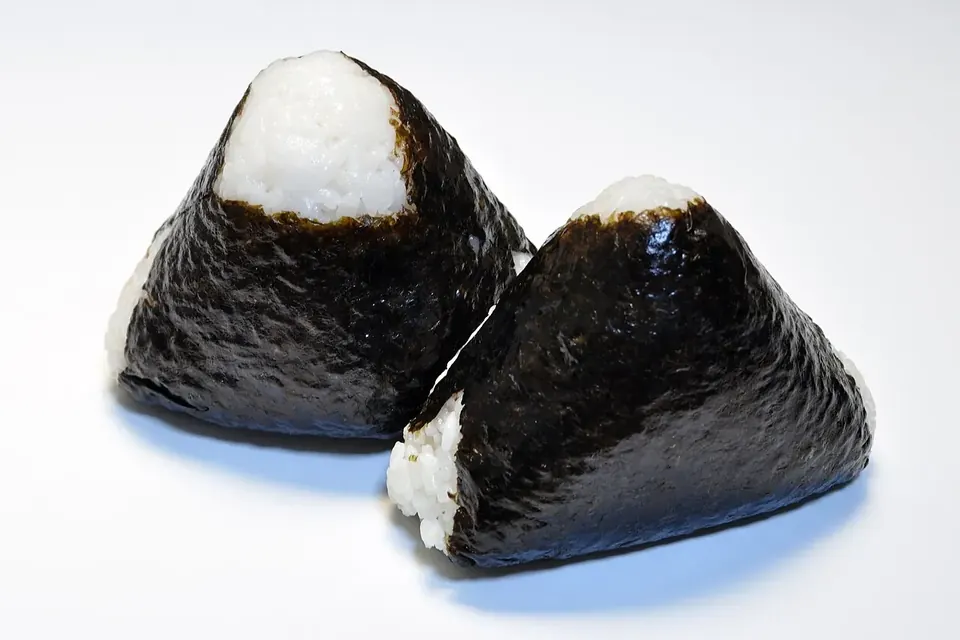
Rice in Japan, and how to cook it
Short-grain rice, washed and soaked, cooked by absorption and rested: the method, the ratios and the onigiri that follow.
 Home cooking
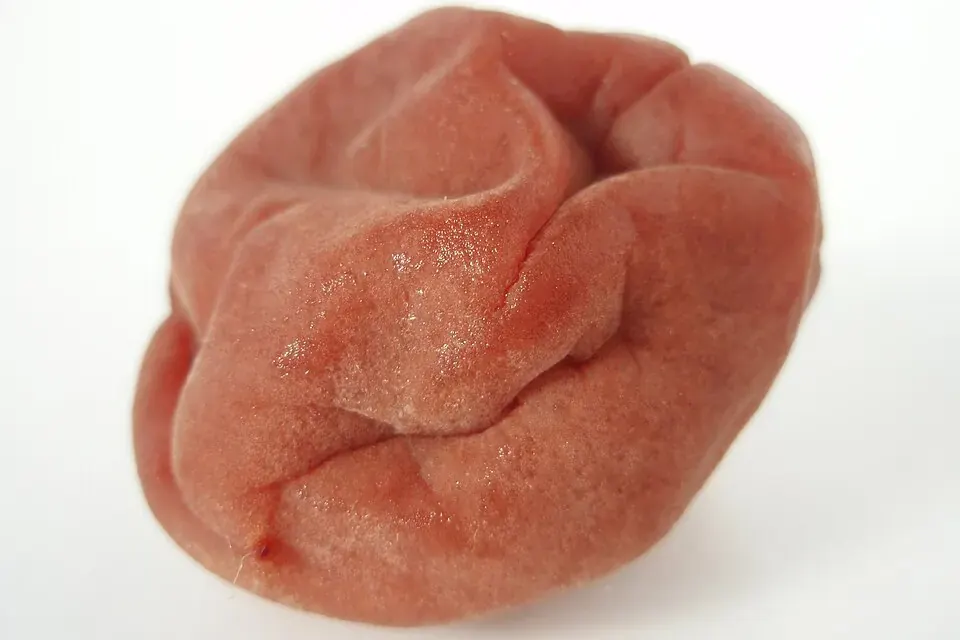
Japanese pickles: tsukemono
Salt, rice bran, vinegar, miso and soy sauce: the main families of Japanese pickles and a quick pickle to start with.
 Home cooking
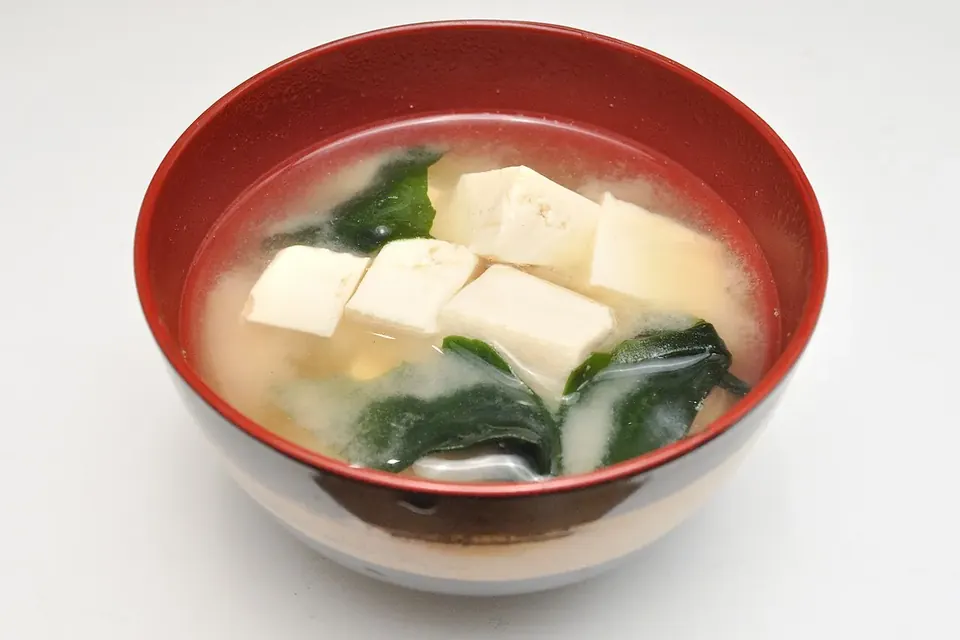
Making miso soup and choosing miso
Rice, barley or soybean koji; white, red or mixed: how to choose a miso, and the one rule for miso soup.